Plant-based meats become an investment hotspot — Sophie’s Kitchen perfects its manufacture process to sell plant-based seafood to European and American markets

With the continuous growth of the global population, it has become increasingly difficult to produce enough meat to satisfy global demands. Moreover, animal agriculture and meat processing also damage the environment.

Therefore, 100 % plant-based meats that look and taste exactly like real meat has begun to emerge.

How big is the market for plant-based meats? It is reported that 4% of the world’s population are vegetarians, and this number is on the rise. According to the Vegetarian Association, the U.S. plant-based meat market in 2016 was worth $5 billion and contributed $13.7 billion in sales to the U.S. economy. This is only the U.S. data. The plant-based meat industries in the UK, France, Germany, and other countries are also developing rapidly.

1
We learned that the research and development of plant-based protein products and their producers, including Beyond Meat and Impossible Foods, have received tremendous financial support, and the number of new companies is also increasing. But these companies place more focus on replacing normal meat products.

Sophie’s Kitchen, which has recently drawn attention from 36Kr, expressed interest in another vertical market for plant-based meats — plant-based seafood, which uses vegan raw materials to mimic the taste, smell, and nutrition of seafood.

Yaoxin Wang, the founder of Sophie’s Kitchen, told the reporter from 36Kr that he chose to enter the seafood market because many people from all over the world are allergic to seafood, and the demand is relatively strong.

According to an epidemiological survey, the number of people allergic to seafood products in the United States has reached 6.9 million, accounting for 2.3% of its total population. The epidemiological survey of the Chinese Center for Disease Control and Prevention found that the incident rate of food allergies in Chinese adults is as high as 6%. The survey identified the major allergens as seafood products and eggs. In addition, the seafood meat structure is more difficult to imitate and has certain technical thresholds.

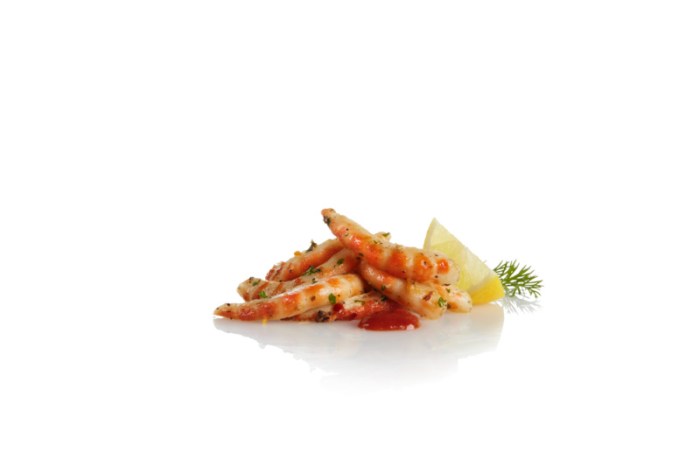
Sophie’s Kitchen focuses on the imitation of seafood meat structure. This technology is relatively mature. The raw material it uses to substitute fish meat is pea protein powder, and the raw material for substituting soft shell seafood is konjac and seaweed powder. Wang told 36 Kr that they applied for a number of patents for the processing technology. The production process of soft shell seafood substitutes completely differs from the production process of fish substitutes. After completing the imitation of the fleshy structure, Sophie’s Kitchen will optimize taste and nutrients in the next step.

Sophie’s Kitchen’s products are processed in a factory in Taiwan, with a capacity of about 10 tons per month, mainly producing seafood and plant-based meat products. Its products have successfully entered more than 1,000 European and American supermarkets through vendors, with an annual revenue of about 1 million USD.

2

Wang told 36 Kr that although their products generate high profits, Sophie’s Kitchen is still limited by the scale of its business and is looking for U.S. investments to finance its expansion. He hopes to increase its number of product carriers to 2,000 and generate a profit of 2 million USD in 2018.

Unlike other plant-based seafood producers who target the restaurant industry, Sophie’s Kitchen mainly sells products through supermarkets.

The Sophie’s Kitchen team currently consists of four people. Its CEO Yaoxin Wang has an MBA from the Columbia Business School, as well as over 20 years of experience in plant-based manufacturing.

All information and photos come from Jiuchisu:https://www.jiuchisu.com/NeWs/17447.htm

Translated by Jiajia Han and Sherry Yao, and edited by Riley Peng @ Animal Dialogue
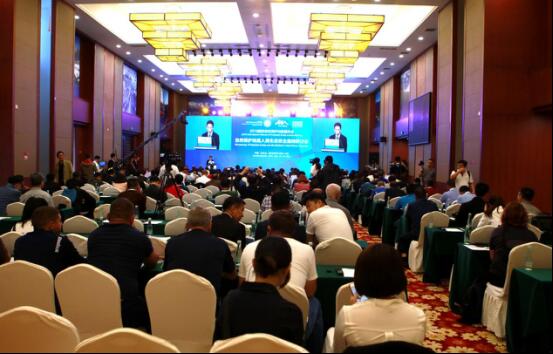
The 2018 International Alliance of Protected Areas Annual Meeting

From September 13-14, the 2018 International Alliance of Protected Areas Annual Meeting was held in the Baekdu Mountains.

The meeting mainly focused on the role of natural protected areas as the human ecological safety bottomline. Scientists from different countries delivered presentations on different research areas and had a conversation on the functions of ecosystems and the management of protected areas.

The Baekdu Mountains, also called the Changbai Mountains in Chinese, is located in Jilin Province in northeastern China. It is famous for its unique cultural heritage and biodiversity. In the meeting, the Jilin Province representative emphasized the ecological importance of the Baekdu Mountains ecosystems and hoped to further enhance international communication and cooperation on future environmental protection plans.

2.jpg

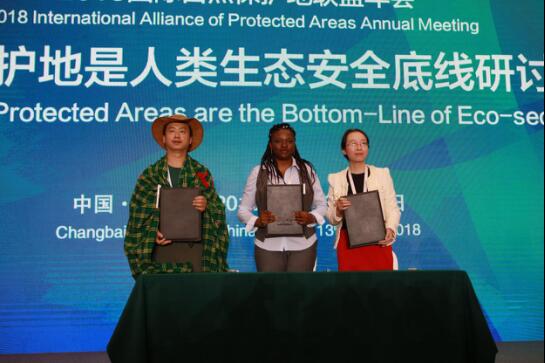
In the conference, Wenhua Xiong, Director of the Office of the International Society of Zoological Sciences, the Secretary of the East African Wildlife Insurance Association, and the Nature Guardian Wildlife Development and Research Center jointly signed a tripartite cooperation memorandum, further promoting the development of wildlife conservation in both Africa and China.

Translated by Dule and edited by Riley Peng @ Animal Dialogue
All information and photos come from People.cn: http://env.people.com.cn/n1/2018/0914/c1010-30294686.html

Fuxi Animal Hospital brings free veterinary clinics to the community

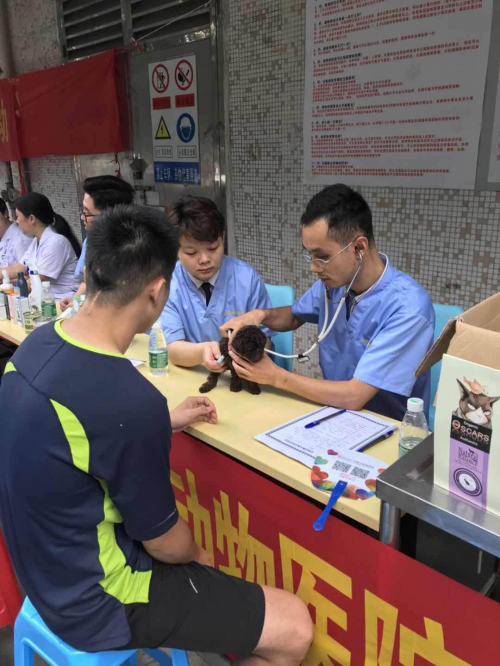
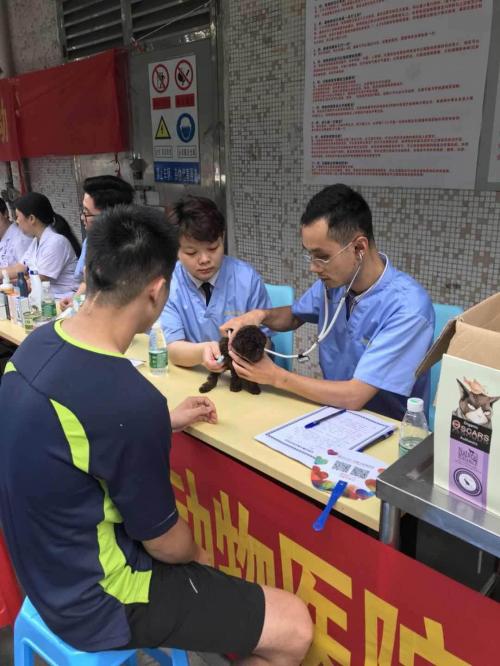
On July 13, 2018, in order to promote scientific methods of raising pets and preventing animal diseases, Fuxi Animal Hospital and the Judean Community Neighborhood Committee hosted free medical consultation sessions for animals at the South Gate of the Judehuayuan Community in Tianhe District, Guangzhou.

The theme is “Harmonious Community, Civilized Science, and Pets,” which enables the community residents to learn how to scientifically raise their pets. At the same time, the event provides support services for community stray animals, and collaborate with the local community to create a safe and comfortable living environment for both the residents and their pets.

1

On the same day, seven senior physicians from the Fuxi Animal Hospital set up a general medical examination desk for providing free full-body physical examinations to animals. The items examined included: body weight, body temperature, body condition, level of consciousness, behavior, body posture, ear examination, eye examination, nose, mucosal color, cavity, teeth, skin coat, palpation of the abdomen, limbs, joints, auscultation of the heart and lungs, etc.

In addition, the event taught the residents general pet knowledge and how to take care of young and old sick animals, handled dog certification for community residents, and popularized vaccines, deworming, and zoonosis.

2nd

In recent years, as the number of pet families increased, the number of stray pets also increased. To foster a harmonious community, Fuxi Animal Hospital actively provides support services for stray animals. It implemented a half-priced stray animal sterilization program, as well as a half-priced stray animal disease diagnosis and treatment plan.

3rd

Fuxi Animal Hospital said that it intends the free clinic activities to advocate for a more civilized way of raising pets, to build a harmonious community environment, and to provide care and love for stray animals. It hopes that these activities will help the residents better understand their pets, and improve the emotional exchange and communication between residents and their pets.

All information and photos come from gogochina.cn (click to view source).

Translated by Sherry Yao and edited by Riley Peng @ Animal Dialogue
Rosy starlings came to build their home in a construction area in Xinjiang, causing an advanced highway construction project to pause

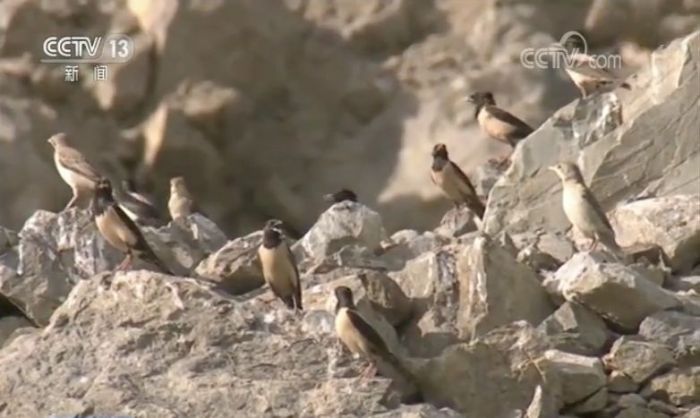
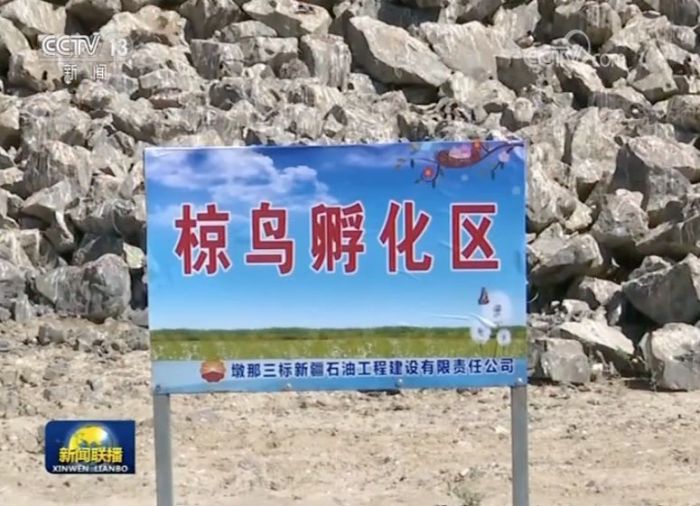
In Nilka, Xinjiang, nearly 74 million dollars had been invested in a highway construction project. But to the workers’ surprise, the gravels at the construction site had attracted a flock of rosy starlings to build their home here and breed the next generation. What’s more, because these birds had decided not to budge from their nests, the construction project had to halt because of them. What on earth had happened?

Rosy starlings caused a halt in the construction project

Xinjiang is the main breeding ground in China for rosy starlings. Every year from May to July, rosy starlings come here to breed their next generation. This year, these birds happened to choose to build their nests within the highway construction area in Ili, Xinjiang.

1

In the beginning, when the huge flock of rosy starlings had arrived at the construction site, the workers felt very confused. Later, they invited ornithologists to the site, who discovered what species these birds were and the fact that they were at their breeding season. Rosy starlings like to build their nests near gravels and small caves, but they won’t stay there forever. It only takes a month for the young starlings to grow up. After the conclusion of that month, they will migrate with their parents to the south. However, for this 74-million-dollar project, a month is definitely a long time.

2.jpg

Dongjun Jiang, the chief engineer of the project, said: “It is very hard to stop such an enormous project because many factors — such as labor, materials, equipment, and construction timeline — are involved. These friendly birds had been a headache for the construction team. However, rosy starlings hold important economic and research values. They are worth our protection. Therefore, the local government, as well as the construction team, decided to halt the project.”

Dongjun Jiang stated that the construction project will resume after the rosy starlings have moved away.

The local villagers had built homes for these starlings

The construction project had stopped, but the workers haven’t. They have been building protection webs for the birds. In fact, the local villagers in Ili, Xinjiang, have also been quite supportive.

4.jpg

The reporter visited a village and learned that more than 50 out of the 440 families in this village have rosy starlings breeding in their backyards. Erijan Ye have been building his new house, but a month ago, several rosy starlings had already built nests over the bricks that he originally intended to use for his building new house. To avoid disturbing them, Erjiang had to buy new bricks.

5.jpg

The local villager, Erjiang said: “Rosy starlings had built their nests on our bricks a month ago. Since we do not want to damage their eggs and nests, I bought new bricks for the house. This year, the villagers have been gathering stones and moving them to areas typically frequented by large numbers of locusts, so that more rosy starlings can be attracted to those areas and breed there.”

Rosy starlings are “locust killers”

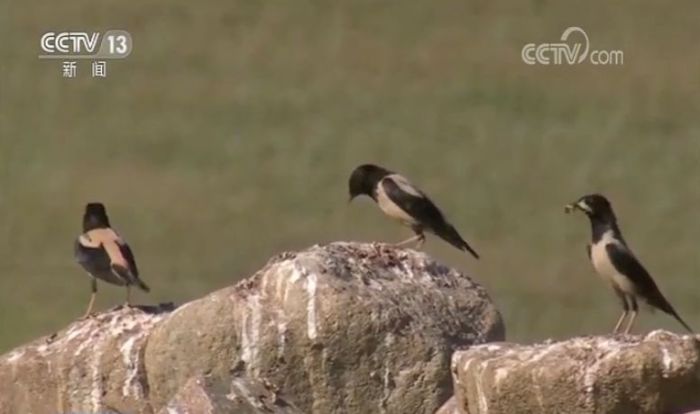
Rosy starlings like to eat locusts, and they possess a big stomach and good appetite. Each adult bird can consume 120 to180 locusts. In many parts of Xinjiang, farmers have been using large amounts of pesticides to kill locusts, but doing so had been highly costly, as well as threatening the environment and rosy starlings. After making various comparisons, biologists realized that rosy starlings can be a better biological pest control method. Indeed, this solution yielded much better results.540.gif

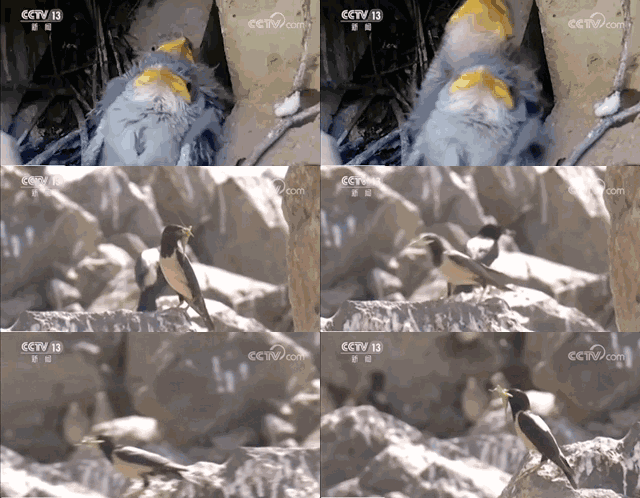
The photographer happened to take this picture of adult rosy starlings breeding chicks during an interview on the highway. The baby birds were waiting for their parents to feed them.

The reporter learned that, over the past ten years, 17 huge rosy starling nests were built over 140,000 acres of farmland in Nilka which were heavily infested with locusts. Thanks to these starlings, the locust population has been effectively controlled.

6.jpg

It is now the breeding season for rosy starlings. It will take a month for the young starlings to grow up. And after a month, the starling families will move to South Asia.

All information and photos come from The Paper and CCTV News: https://www.thepaper.cn/newsDetail_forward_2268845.

Translated by Lele, and edited by Riley Peng @ Animal Dialogue
 

1,500 Stray Animals Rescued in 3 Years by Stray Animals Protection Center in Jingzhou

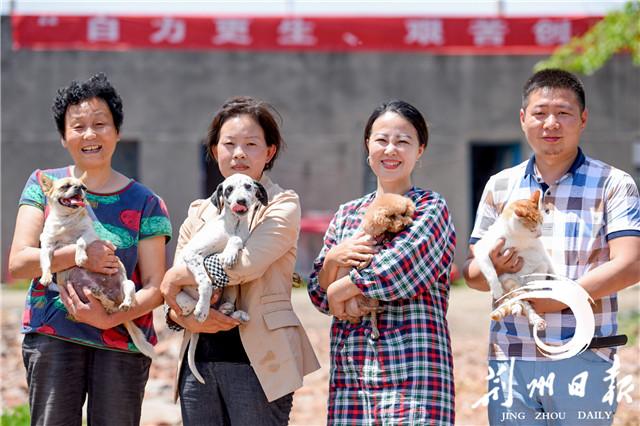
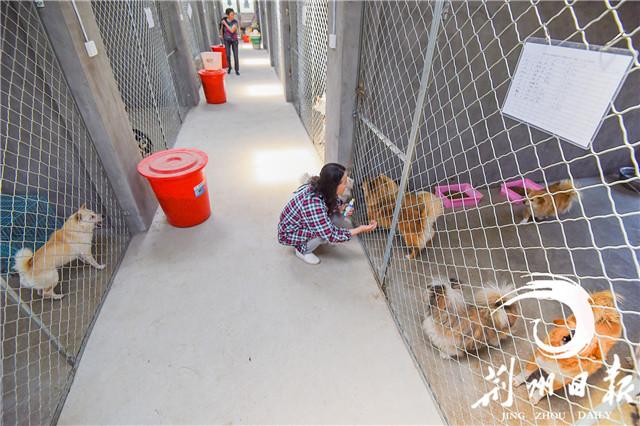
On the shores of the Long Lake in Jingzhou, the base of Stray Animals Protection Center is built in an inconspicuous enclosed area. Nearly 200 animals are sheltered here, either being cured or under recovery. Among them are around 160 dogs and 20 cats. According to Qin Li, the founder of this center, most of the animals here were run over by cars with broken bones. Others were abandoned after infected with diseases or bred in disorder.

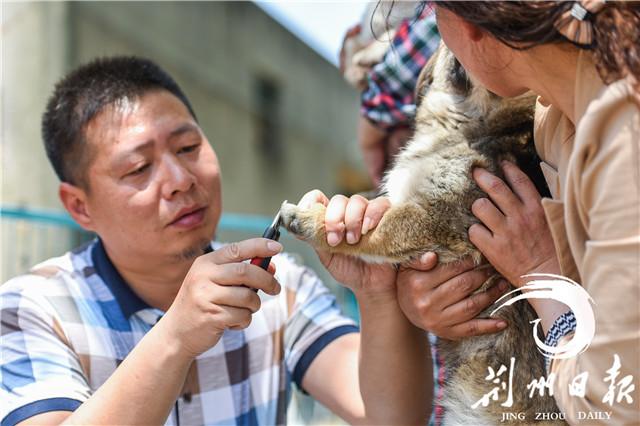
While only 3 staff members officially manage daily affairs in the base, many citizens volunteer here, including white collars, old ladies, and elementary students.pic 2

Babysitting these little patients is not a simple task for the volunteers. They have to do everything—cleaning and disinfecting the doghouse, vaccinating, sterilizing. feeding, etc.—except tasks that could only be completed by vets.

The fee for treatment and recovery is inevitably high. Donations from dog-lovers and volunteer help pay for the center’s daily expenditures. 71-year-old Fanglan Feng is one of the center’s funders. Every month she donates 1800 yuan out of her pension to help rescue stray animals. Now there have been over 100 funders like Feng.

Qin Li publicly publish the expenses for every rescued animal on online platforms such as Weibo and WeChat. The volunteers in her WeChat group help her search for stray animals that need to be rescued. They call Li “Mother Du,” a name inspired by her pet dog Dudu, who has acccompanied her for 16 years.pic 4

On a summer night in 2015, Li was taking a walk when she found a bleeding dog. She spent more than 1000 yuan to save the dog and took care of him for 3 months. This experience inspired her desire to help rescue stray animals. She then gathered many dog-lovers to establish a volunteer coalition, and raised money to build the center.

Last May, Li’s volunteer coalition rescued 800 pet cats who were previously stolen and sold illegally in June 2016. Most of these cats eventually found their new homes through the subsequent adoption activities.pic 3.jpg

Not long ago, Jingzhou Stray Animals Protection Center was authorized by the Ministry of Civil Affairs. It has become the second authorized stray animals protection organization in the whole province.

In 3 years, Qin Li and the volunteers in the center have rescued over 1500 animals. Li calls for the public to care for homeless dogs and cats and respect each small animal. Every single act of kindness helps advance a city’s culture.

Info and photos from hbtv: http://news.hbtv.com.cn/p/1318287.html

Translated by Victor Du, edited by Riley Peng @ Animal Dialogue