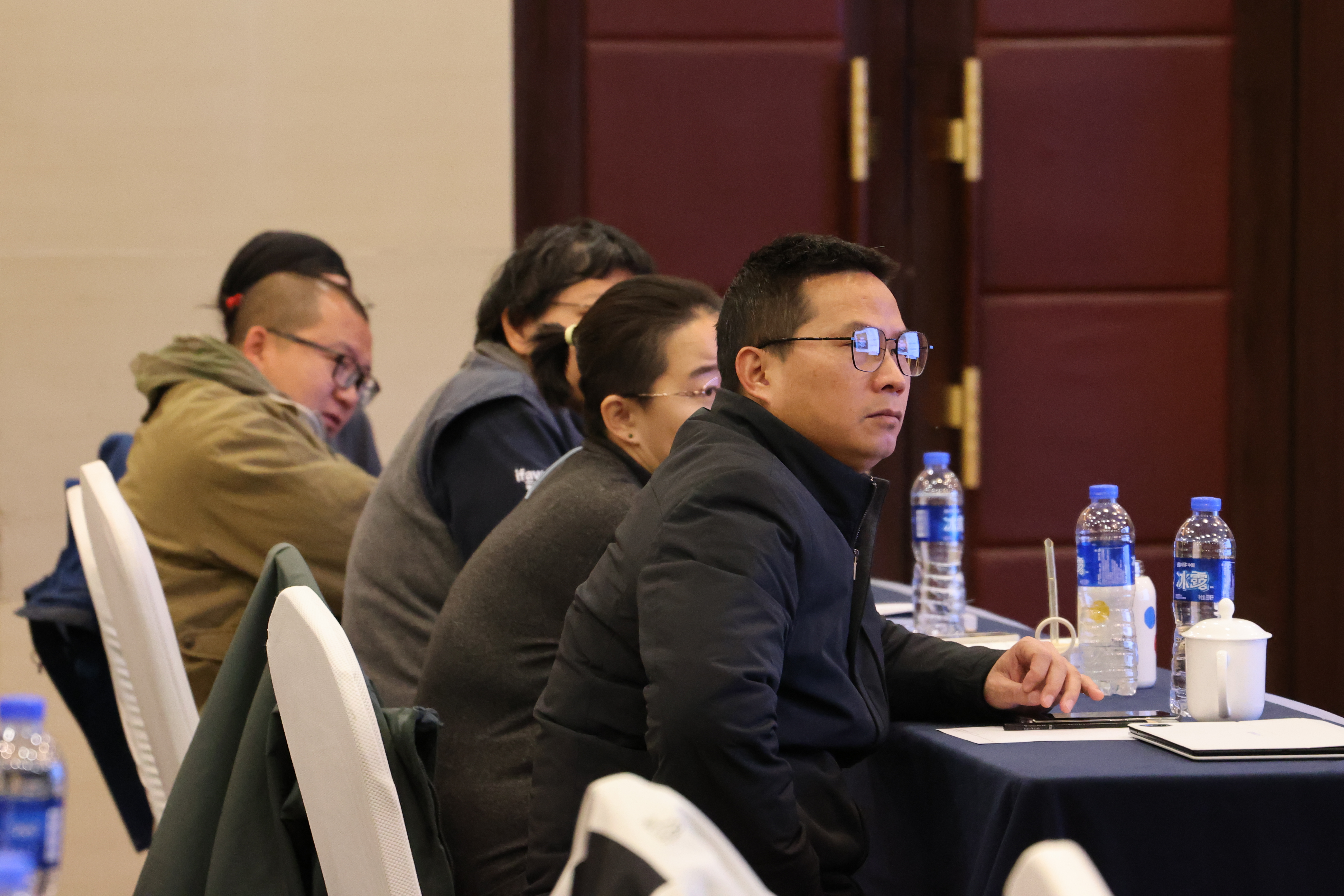
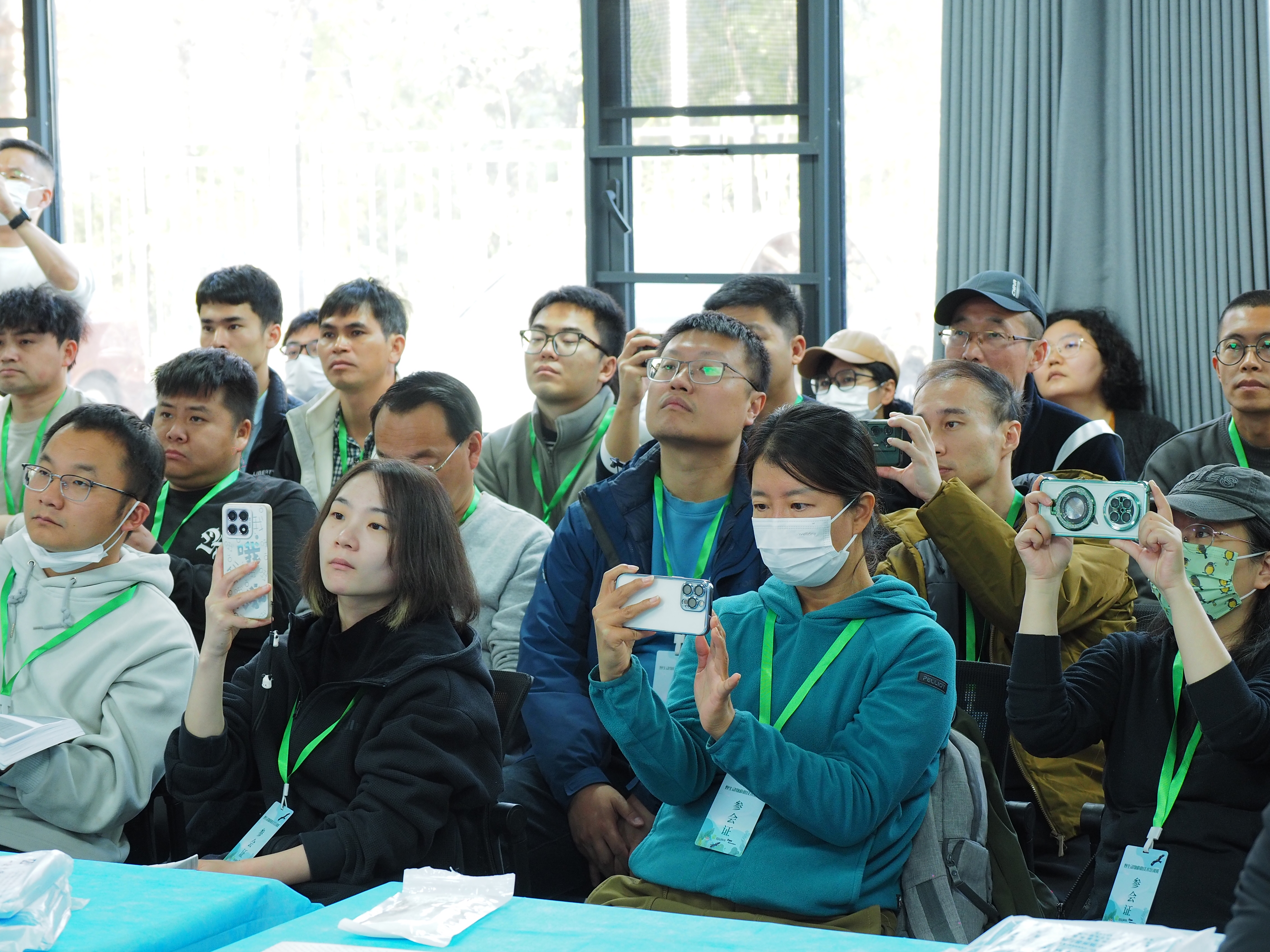
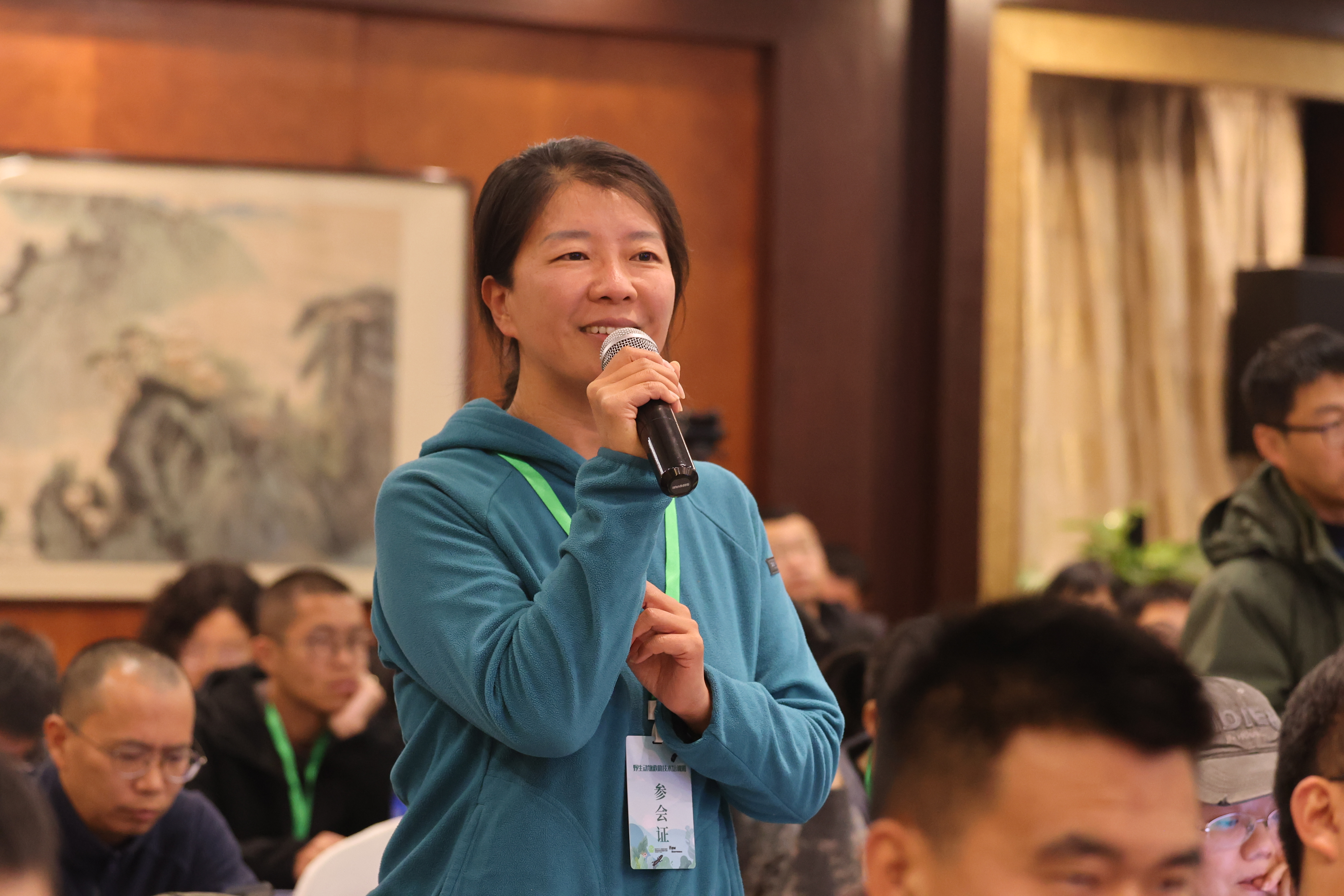
December 12, 2025 — As China’s national park system continues to develop, the need for setting standards of domestic wildlife rescue practices is becoming more and more imminent. This year, we partnered with Dr. Sara Childs-Sanford and Dr. Cynthia Hopf-Dennis from Cornell University College of Veterinary Medicine to share cutting-edge international rescue standards and practices in Nanjing through a systematic framework. Iva (Yufei) Pan, co-director of Elefam and a master’s student in the NYU Animal Studies Program, served as the Project Director.
This systematic curriculum was designed by Elefam for the Third Wildlife Rescue and Rehabilitation Training Workshop from December 3 to December 6, 2025, which was co-hosted by the International Fund for Animal Welfare (IFAW) and (held at) Nanjing Hongshan Forest Zoo.
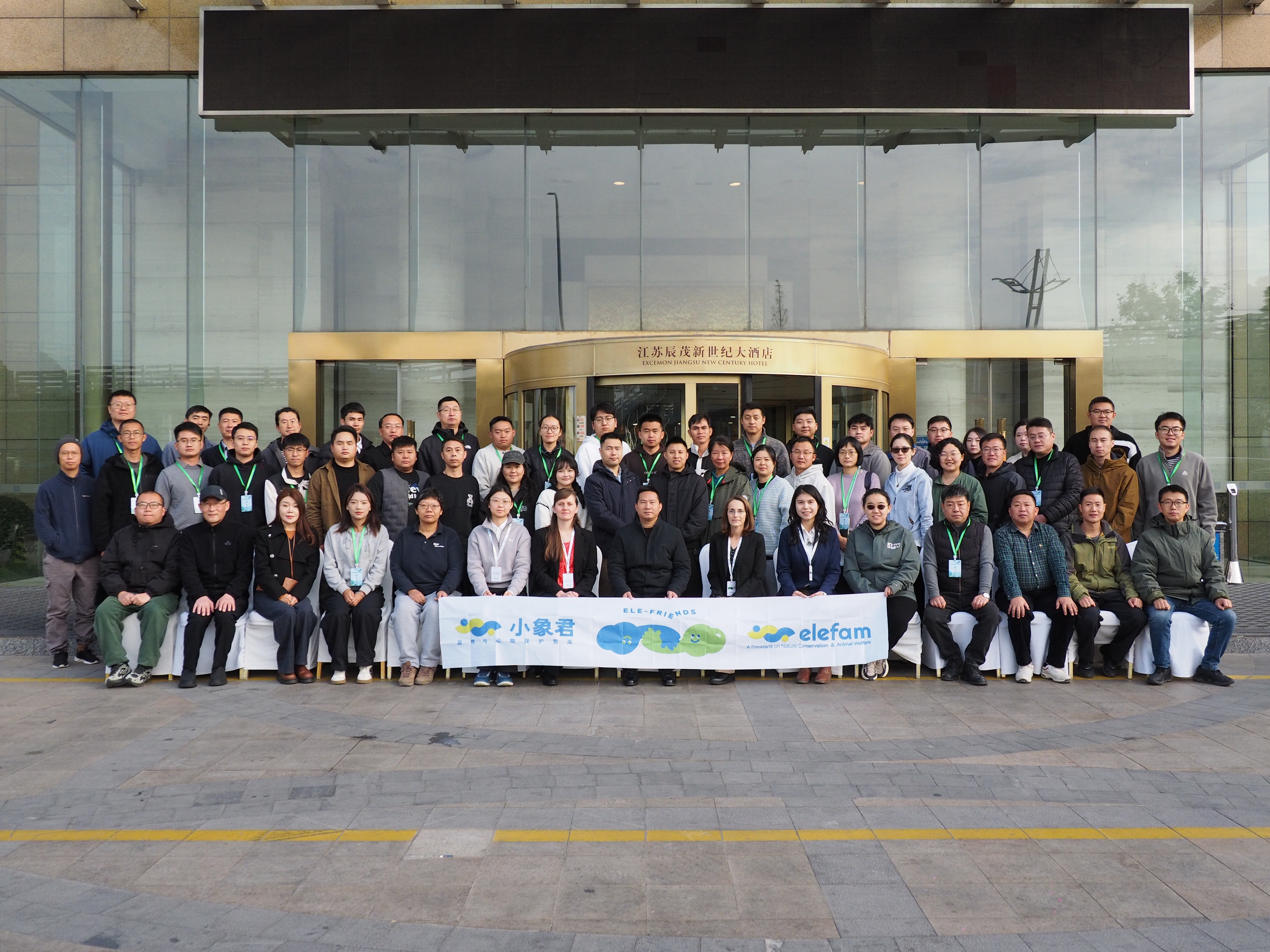
The four-day training attracted over 50 participants from more than 27 organizations across China. This event had impacts of more than a veterinary training session; it was part of an initiative to help specialize and standardize China’s wildlife rescue system, enabling it to meet standards of international criteria.
The training curriculum was compiled by Elefam member and clinical veterinarian Dr. Katherine Rubinstein (Zhou Ying), and coordinated by Adela Li (Li Yanqi).
🌟 Four Key Highlights of the Training
1. 13 Core Courses: Addressing High-Frequency Challenges in China
Based on the specific needs of local rescue personnel, Elefam designed a competency model creating a practical series of courses ranging from avian emergency care and orthopedic stabilization to reptile/amphibian anesthesia and clinical diagnosis.
2. Guest Lecturers from Cornell University College of Veterinary Medicine: Integrating Theory with Practice
Experts from Cornell were invited as special guests to modularly integrated their knowledge into the curriculum, helping trainees understand both rescue pricipless and the veterinary medicine knowledge behind them.
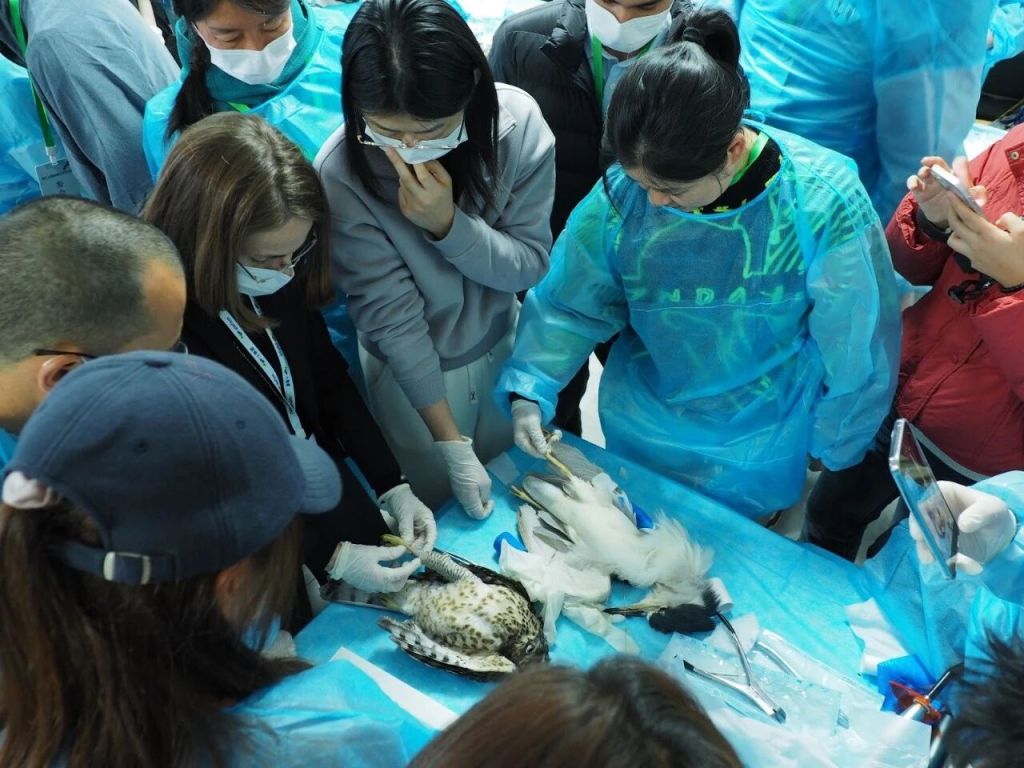
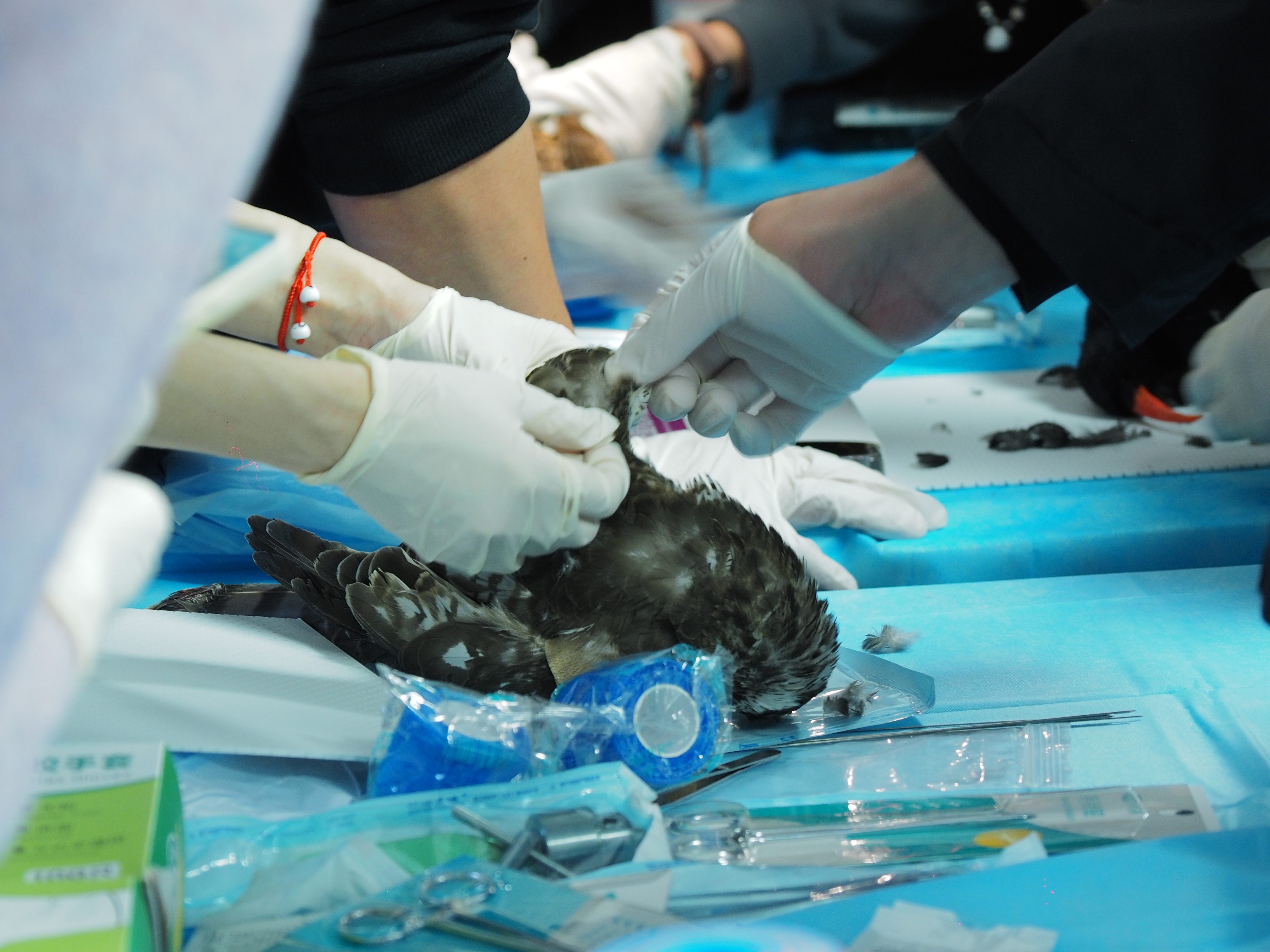
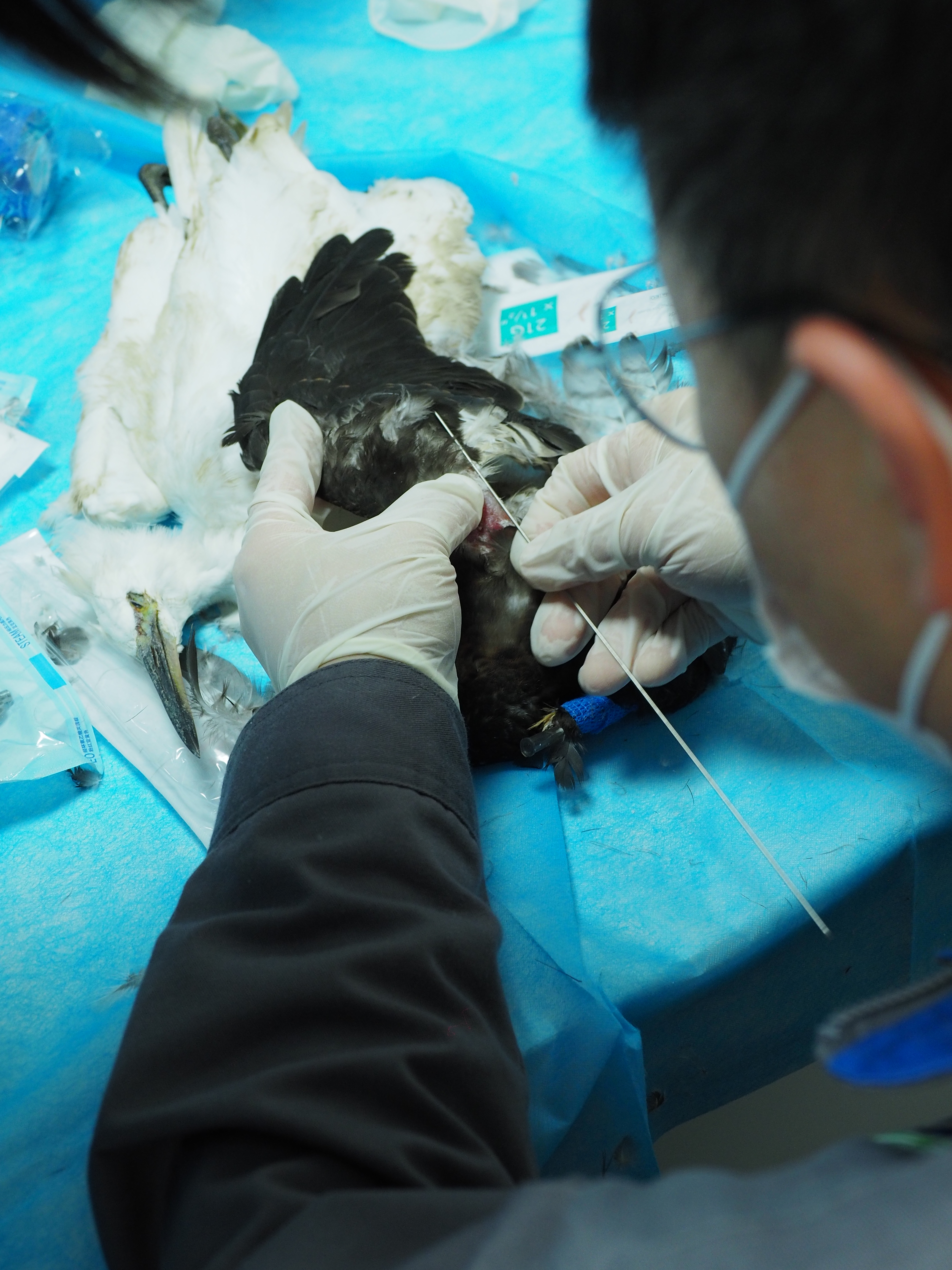
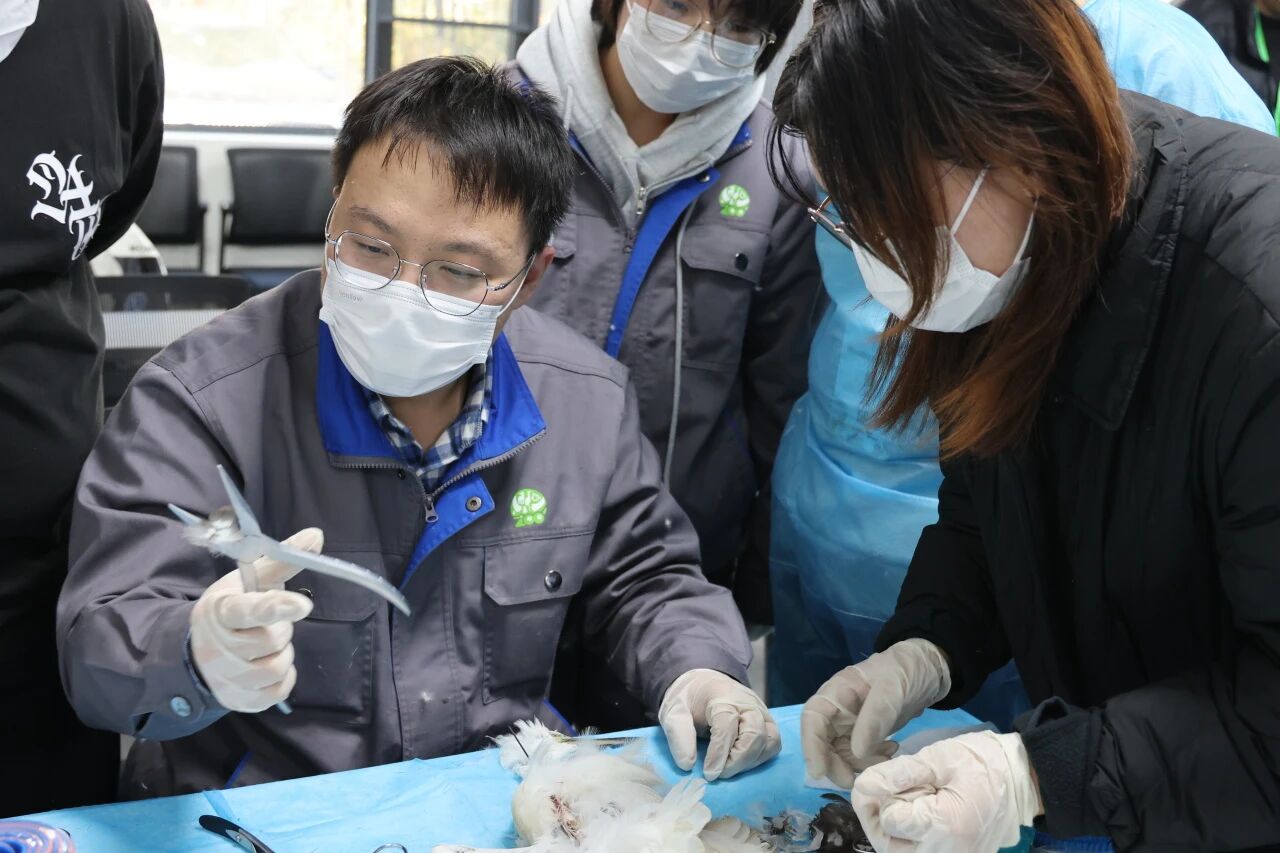
3. Avian Fracture Repair Practical Workshop: Turning Theory into Muscle Memory
By introducing the use of external fixators, the placement of intraosseous catheters, and bandaging techniques, the hands-on practical lab allowed trainees to bridge the gap from “knowing” to “doing.”
4. 27+ Institutions Represented Nationwide: Promoting the Standardization of Rescue in China The training drew representatives from zoos and national park rescue centers across the country, fostering inter-institutional exchange and helping to set future standards for rescue standards.
🤝 Invited International Experts: Facilitating Technical Exchange
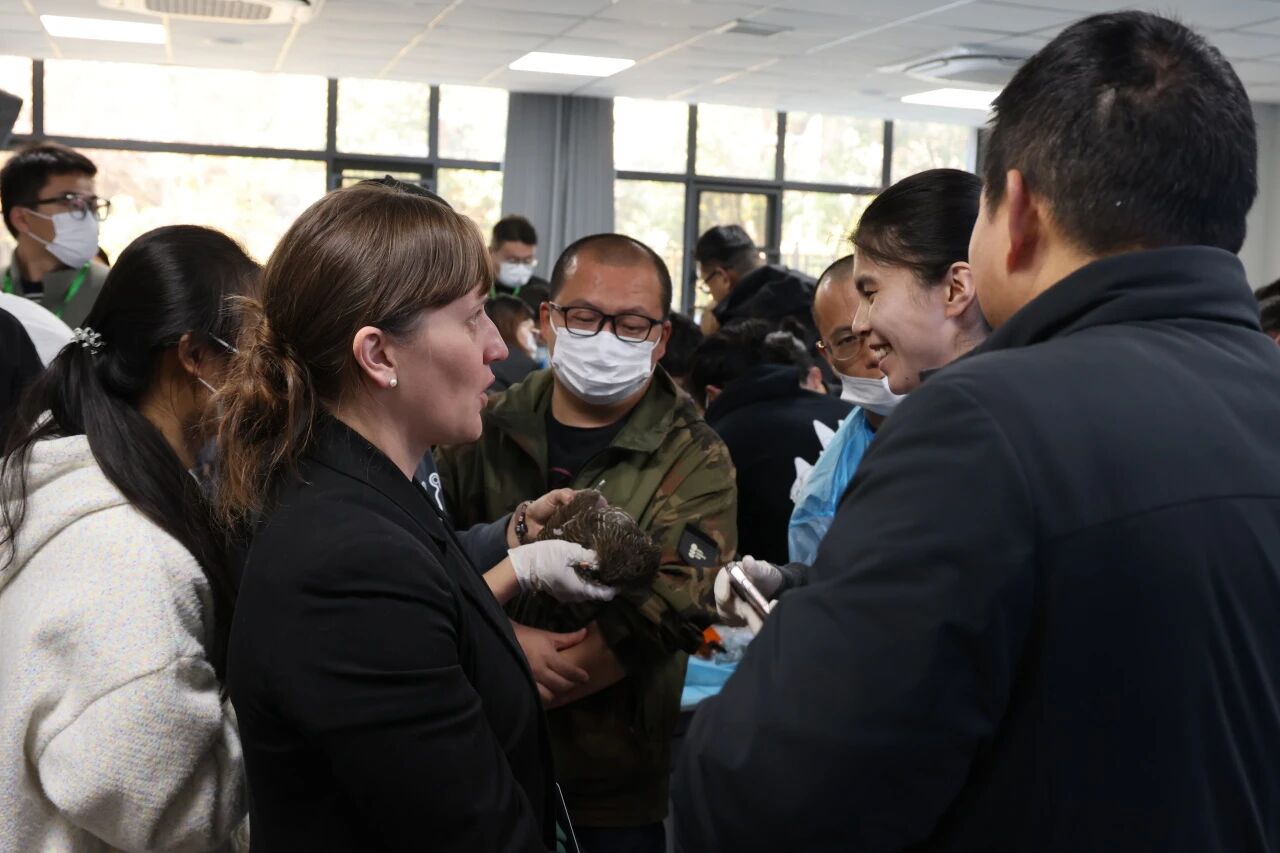
The course featured experts from the Janet L. Swanson Wildlife Hospital at Cornell University: Dr. Sara Childs-Sanford and Dr. Cynthia Hopf-Dennis. They brought not only technical skills but also clinical thinking methods for wildlife rescue and care, as well as decision-making models for diagnosing and treating injured animals.
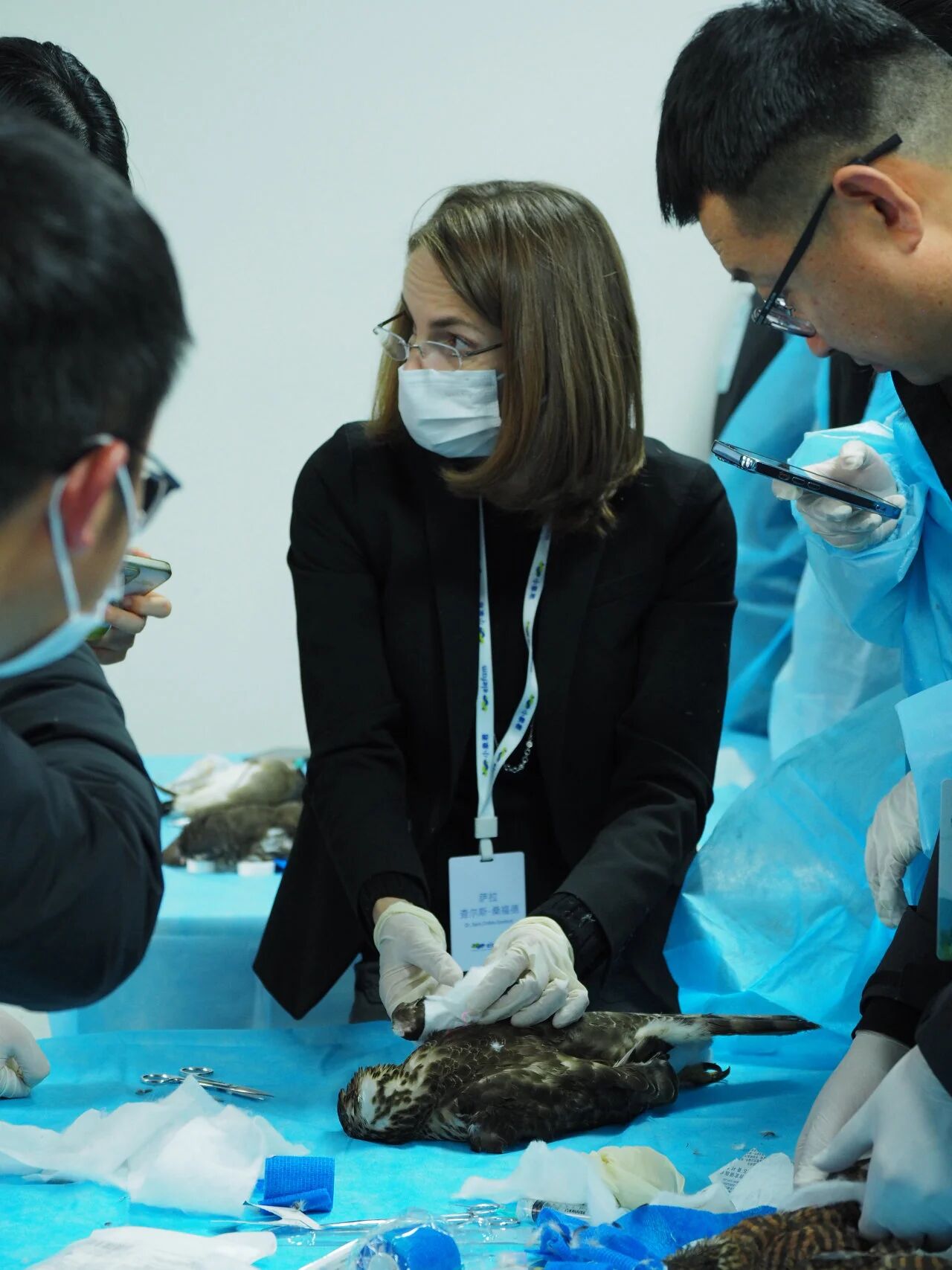
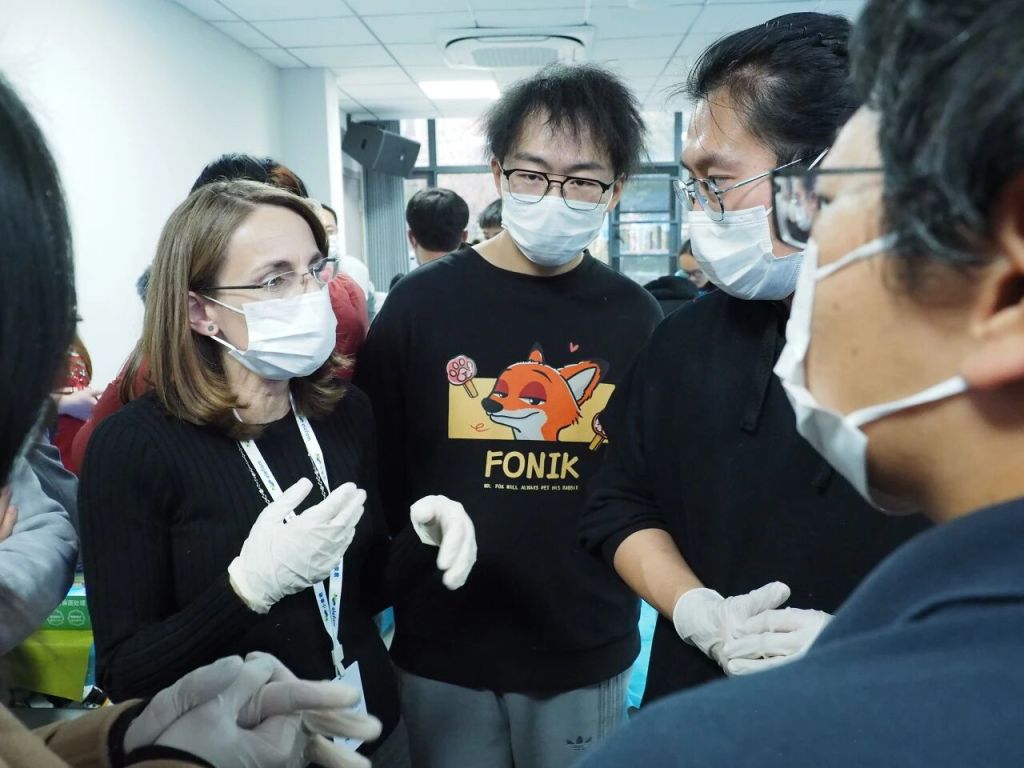
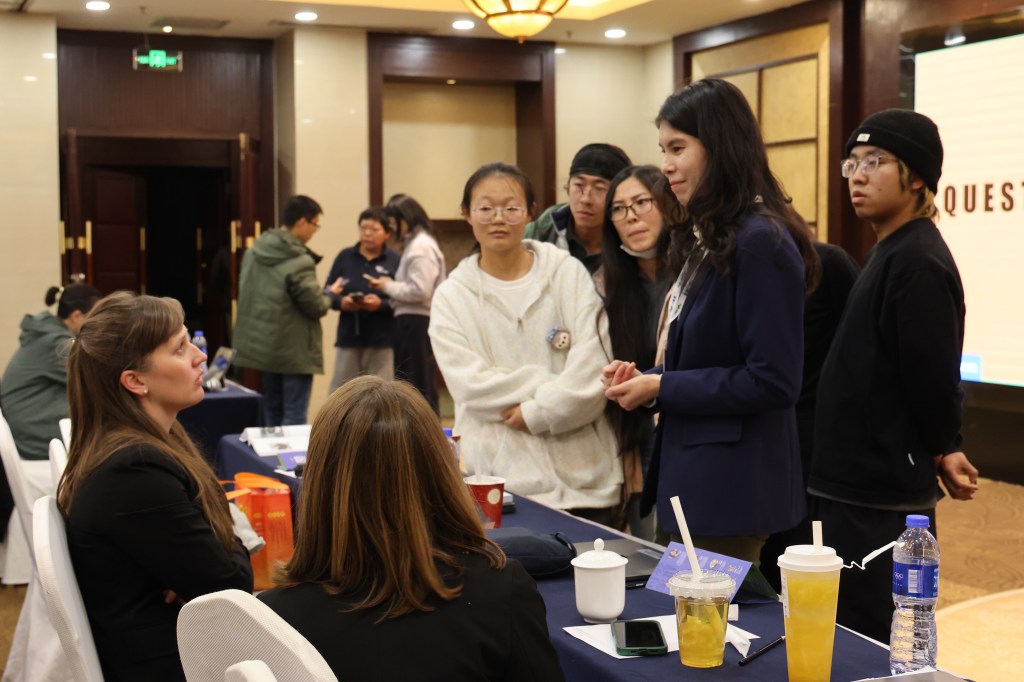
Dr. Sara Childs-Sanford exchanging ideas with frontline wildlife rescue practitioners and trainees.
🐦 Learning About Avian Fracture Repair: From “Knowing How” to “Actually Doing”
As one of the most popular segments of the training, the Avian Fracture Repair Workshop allowed participants to practice the following techniques on-site:
Principles of stabilization using external fixators.
Placing intraosseous (IO) catheters correctly.
Correct application of the Figure-8 bandage.
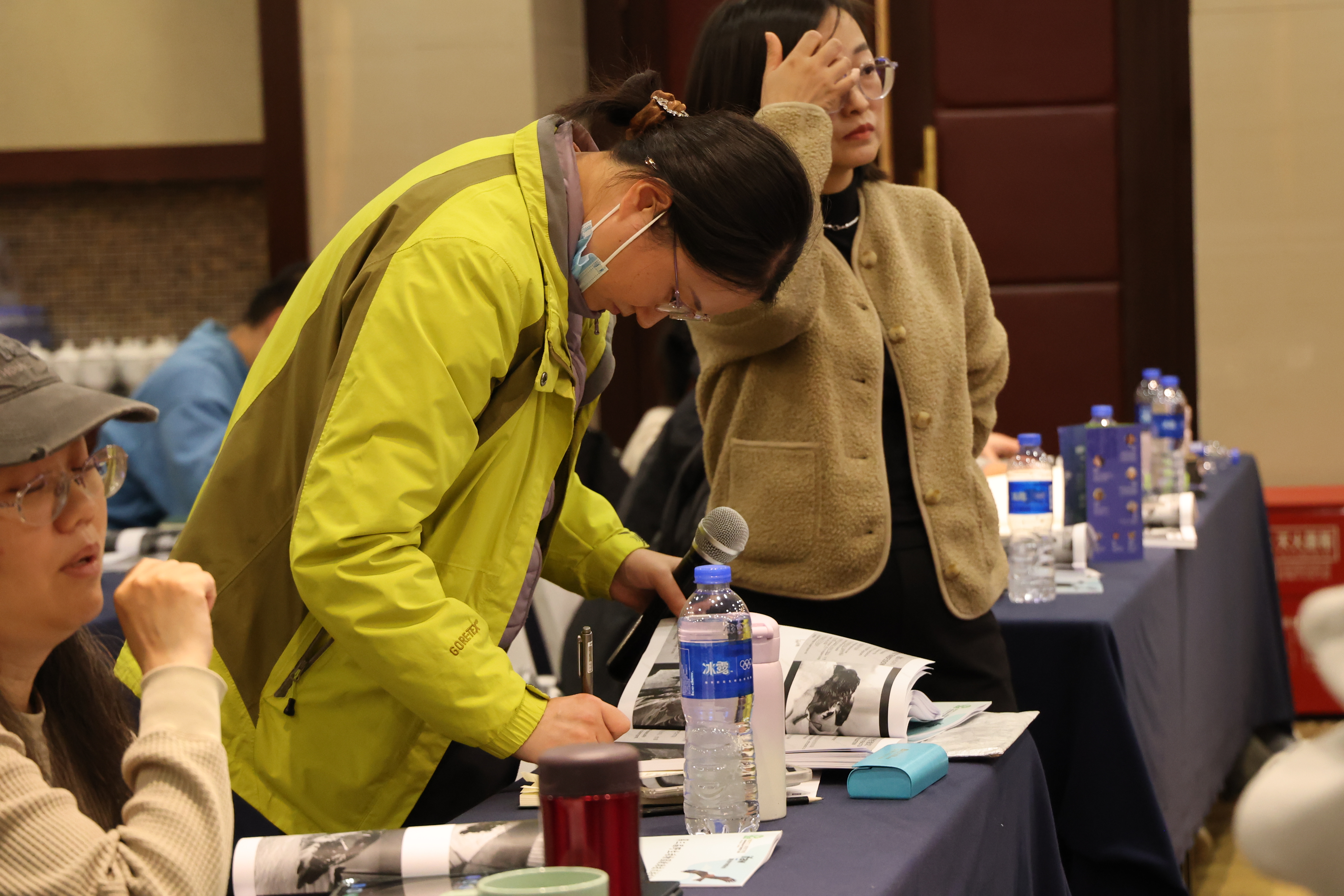
Placement of an external fixator for avian fractures during the workshop; Trainees attempting to place internal fixator in bird wings and practicing fracture bandaging techniques.
We designed a series of courses centered on “frontline pain points” for rescuers, veterinarians, and animal care staff.
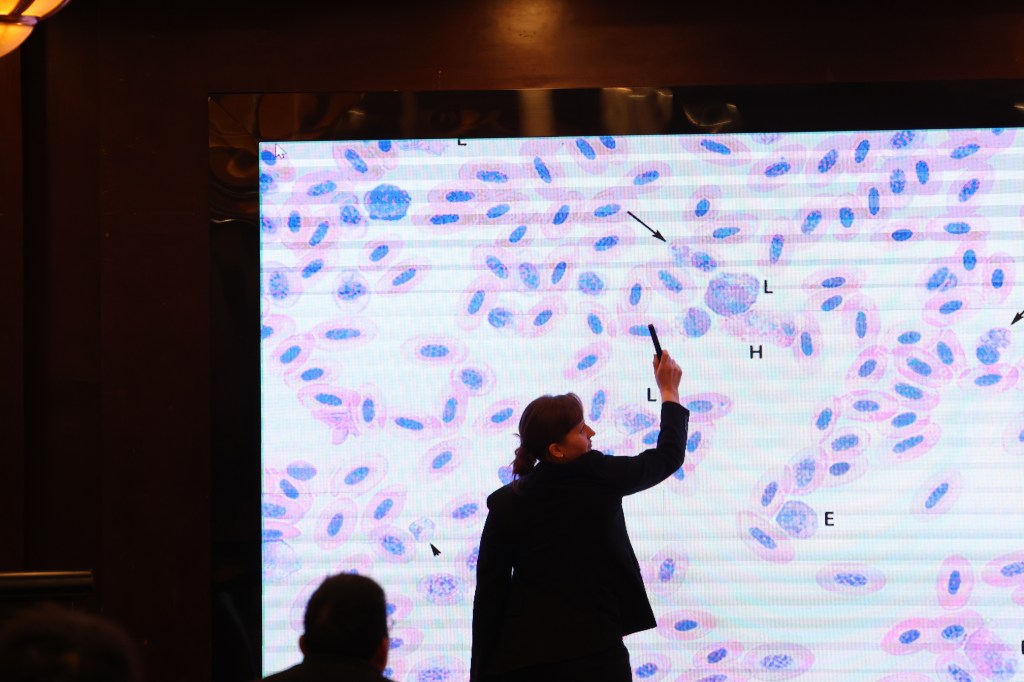
Emergency Management:Emergency Management: In the Emergency Management of Avian Wildlife lecture, Professors Childs-Sanford and Hopf-Dennis introduced techniques for placing intraosseous catheters, which students were able to practice in the following practical labs. Participants were impressed by this novel and practical first-aid method.
Specialized Species: In the Principles Guiding Care of Wild Reptiles and Amphibians course, trainees learned about the unique anatomical structures and drug administration methods for herpetofauna.
Global Context: In the Wildlife Medicine in Conservation lecture, Dr. Rubinstein shared insights on wildlife hospitals around the world and the challenges they have, analyzing the opportunities and challenges faced by wildlife conservation in China.
Anesthesia: The Anesthesia and Analgesia series for birds and reptiles provided an understanding of commonly used drugs for sedation and pain management.
The curriculum focused on cultivating three core competencies:
Emergency judgment and practicing principles for practitioners.
Avian orthopedics and stabilization techniques.
Rescue capabilities for special species (reptiles and amphibians).
“The course offered theoretical guidance, case studies, and practical trainings. It had strong pertinence for frontline rescue work.”
— Li Meirong, Vice Director of Nanjing Hongshan Forest Zoo
🌏🐘 Elefam’s Mission: Building a Talent Pipeline for Conservation
Following the training, participants expressed a strong interest in further advanced courses and regular training sessions, and the future establishment of a professional resource network.
Elefam focuses not just on a single training event, but on the long-term growth of local conservation talent. Over the past decade, Elefam has continuously strived to:
Systematically cultivate and mentor conservation talent.
Facilitate international conservation resources exchange.
Construct an interdisciplinary conservation knowledge system.
Currently, we are proud to have 72+ members and alumni spread across various fields of global sustainable development and conservation. Since its establishment in 2015, the organization has launched a series of interdisciplinary conservation career development courses—including “Urban Ecology,” “One Health,” “Ecology in Modern Context,” “Community Street Animal Managment,” and “Wildlife Conservation on the Qinghai-Tibet Plateau”—training a cumulative total of 1,200+ individuals for frontline conservation work both domestically and abroad.
“The future of nature and animal conservation lies not elsewhere, but in people. The future of talent requires systematic support and sustained power.”
In the future, we will continue to facilitate international exchange, promote the standardization of rescue technologies, support institutions in building case study systems, and continue to cultivate the next generation of professional talent.
As urbanization accelerates, both elderly people living alone and younger generations increasingly seek companionship from animals. Companion animals have become important members of many households. According to statistics, China now has approximately 150 million companion animals and nearly 70 million pet owners. In May 2020, the Ministry of Agriculture and Rural Affairs released the National Livestock and Poultry Genetic Resources Catalog, formally reclassifying cats and dogs as companion animals rather than traditional livestock. As the pet market continues to expand – and in the absence of comprehensive anti-cruelty legislation – many issues remain unresolved.
In August this year, Elefam , in collaboration with Dacheng Xiaocun and PIDAN, launched the Inter-species Writings Workshop in Chengdu’s Beilei Community. Through lectures, field observation, community-based learning, and on-site writing, the workshop offered practitioners, enthusiasts, community residents, public-interest workers, community builders, creators, and the broader public an integrated curriculum on animal protection and ethics.
In August 2024, I traveled to Chengdu’s Beilei Community to participate in the “Animals in Community: Inter-species Writings Workshop.” The phrase Inter-species writing workshop on the poster first grabbed my attention. I was especially curious: how could nonfiction-oriented methods – observation, interviewing, writing – be woven into public-interest advocacy?
The program consisted of three parts: theoretical lectures, fieldwork in Chengdu, and nonfiction writing. Participants could join flexibly, online or offline, for the full program or individual sessions.
The online lecture, “The Trajectory of Multispecies Ethnography,” was a conversation between Oxford anthropologist Eben Kirksey, UCL anthropology PhD Yang Bo, and LSE anthropology PhD Zhou Yufei. Kirksey argued that multispecies anthropology moves beyond traditional anthropology’s human-centered lens to foreground the entangled relationships between humans and other life forms.
Wang Po, Associate Professor of Philosophy at Shandong Normal University and translator of Animal Communities, introduced the history and current state of animal ethics, outlining how ethicists around the world argue for animal rights. Through global examples of multispecies communities, he posed a sharper question: How can we pursue animal rights in a non-ideal world?
Meanwhile, Princeton PhD and Arizona State University professor Chen Huaiyu approached the subject through religion, examining how Buddhism, Daoism, Confucianism, and folk beliefs shaped animal representations in medieval China – and how cultural residues hide behind vivid animal tales in Buddhist scriptures. As he wrote in “The Origins and Aims of Animal History”:
“European natural history centers on ‘nature’; Chinese natural studies center on ‘things’… The study of animals in Chinese natural history should be understood as premodern historiography – philological research aiming to classify and understand animals.”
With interdisciplinary theory in place, field practice became even more essential.
The offline sessions were held in Chengdu’s Beilei Community, a well-known example of community revitalization—part of the broader “Yulin” area familiar to many visitors. Inside this revived neighborhood, shared creative spaces, lively weekend markets, and animal-friendly zones created fertile ground for a workshop centered on coexistence and co-creation.
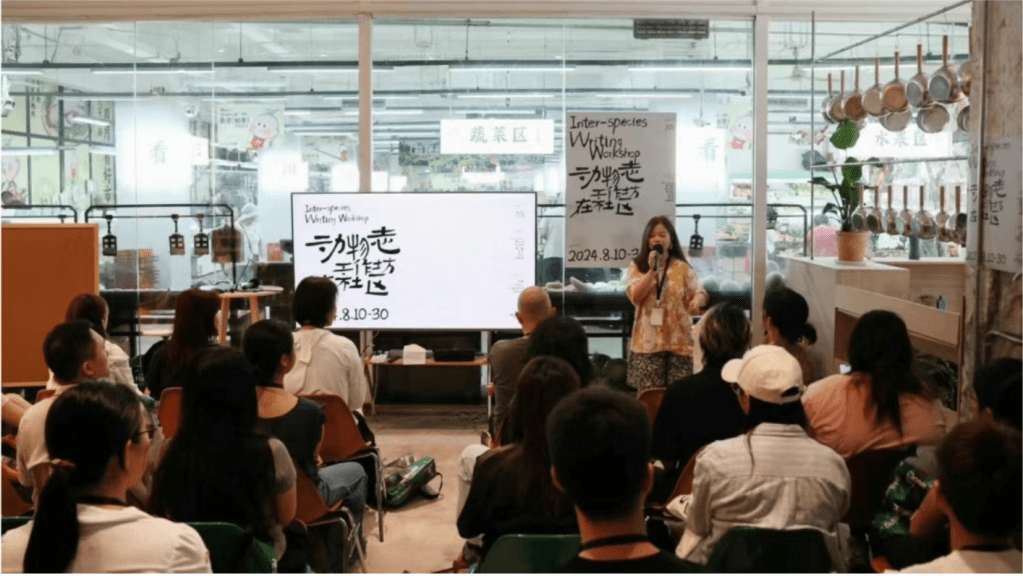
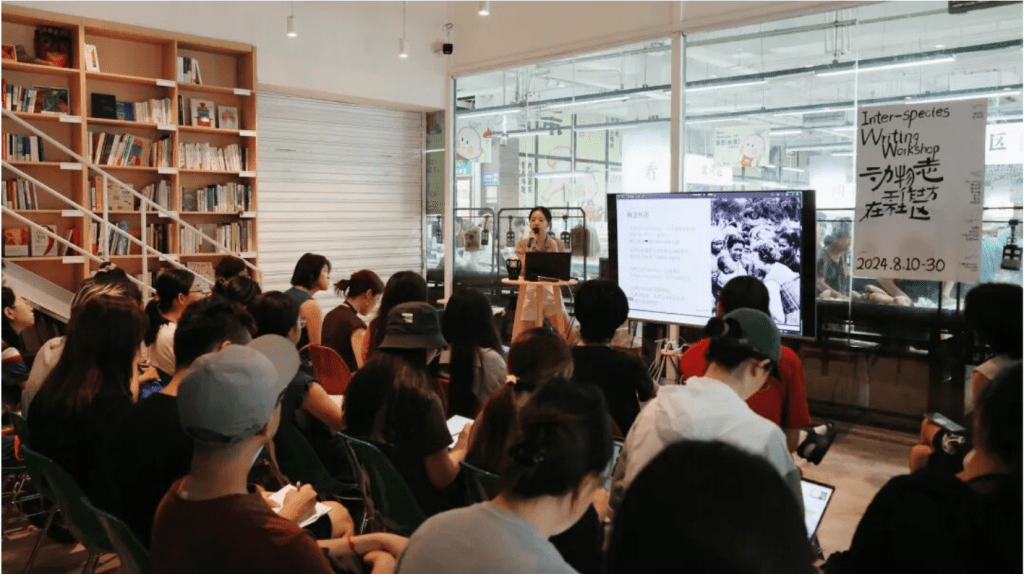
Classes took place in a café adjacent to the Beilei farmer’s market. A bright floor-to-ceiling window split the everyday bustle of the market from the curated aesthetic of the café. Through the glass, one could see Chengdu aunties carrying their baskets through the redesigned market; inside, writers, animal advocates, designers, and social workers gathered to explore the lives of companion and community animals through anthropology, nonfiction writing, art, and fieldwork.
Workshop Activity: Creating recipes suitable for both humans and pets.Participants and mentors enjoying the vegetarian meal arranged by the workshop.The ice-breaking session at the workshop’s opening ceremony.
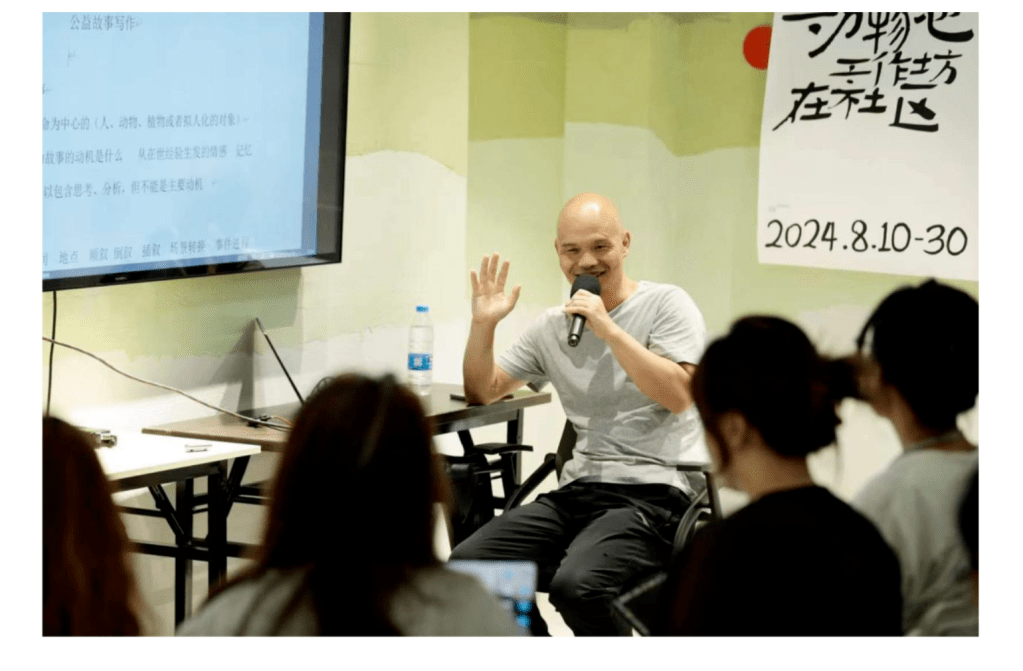
Nonfiction writer Yuan Ling delivered a talk on “Animals in Nonfiction Writing.” Having grown up in rural Shaanxi, Yuan drew from real encounters between villagers and wildlife, and between families and their dogs. In his work, even the harshest realities contain tenderness:
“My cousin leaped across the stream first, then stretched out his hand to pull me over. The dog hesitated, my cousin crouched down and reached out as he had to me – so the dog jumped too…”
Beyond theory, Yuan acted as a field mentor – guiding students through interviews while quietly observing the community’s everyday human–animal interactions.
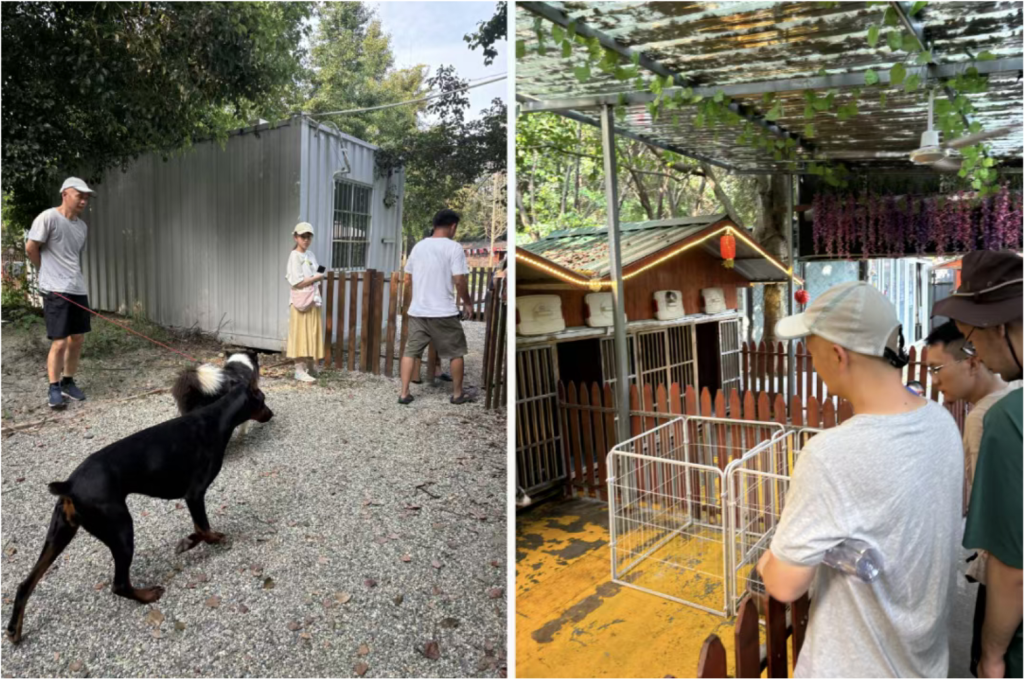
Writer Yuan Ling lectures on ‘Animals in Non-fiction Writing’ and joins participants for field research at a dog training center.
LSE anthropologist Zhou Yufei, whose award-winning nonfiction chronicles two years of fieldwork in Tibetan regions—working in dog shelters, assisting with births, speaking with herders—accompanied participants throughout the workshop. She emphasized learning not only from people but also from animals themselves:
“Take what human teachers give you, but approach the animals and see how they respond.”
Zhou Yufei lectured participants on ‘Fieldwork and Writing Methods in Multispecies Ethnography.
Workshop director Pan Xueyun explained the program’s intention:
“Even with anthropology, religion, humanities theory, and community animal governance in place, I still hoped the final output would be a story. Effective public advocacy cannot rely solely on didactic messaging – it must come from real interactions between humans and animals. Nonfiction is powerful in this way.”
Participants engaged in community walks to observe resident–animal relationships. Whether chatting with an uncle walking his dog or an elderly woman feeding stray cats, students encountered deeply memorable stories.
A “shared recipe for people and pets” activity highlighted the connection between caring for animals and caring for oneself. A class on dog behavior brought local residents and their pets into the workshop, making the space lively and participatory.
Taiwanese scholar Mr. Qian Yongxiang visited the workshop.
During the final day, participants attended a talk by Taiwanese scholar Chien Yung-hsiang. When one attendee’s cat showed signs of stress, several workshop students gently raised a question during the event: In promoting “pet-friendly” spaces, are we prioritizing human desires over animals’ own needs?
After the workshop, participant Wu Yi submitted a nonfiction piece titled Lives in the Corners of the City, documenting the story of Beilei’s “cat granny” who cares for community cats.
“During fieldwork, I found myself shifting from observer to listener, even participant. Feeding cats together became a passageway into another person’s world, and writing was the only way to honor that experience.”
The Inter-species Writings Workshop showed how interdisciplinary knowledge, field immersion, and storytelling can deepen public understanding of human–animal relationships. It offered not only technical knowledge in ethics and conservation but also emotional insight—reminding us that protecting animals begins with seeing, listening, and writing with care.
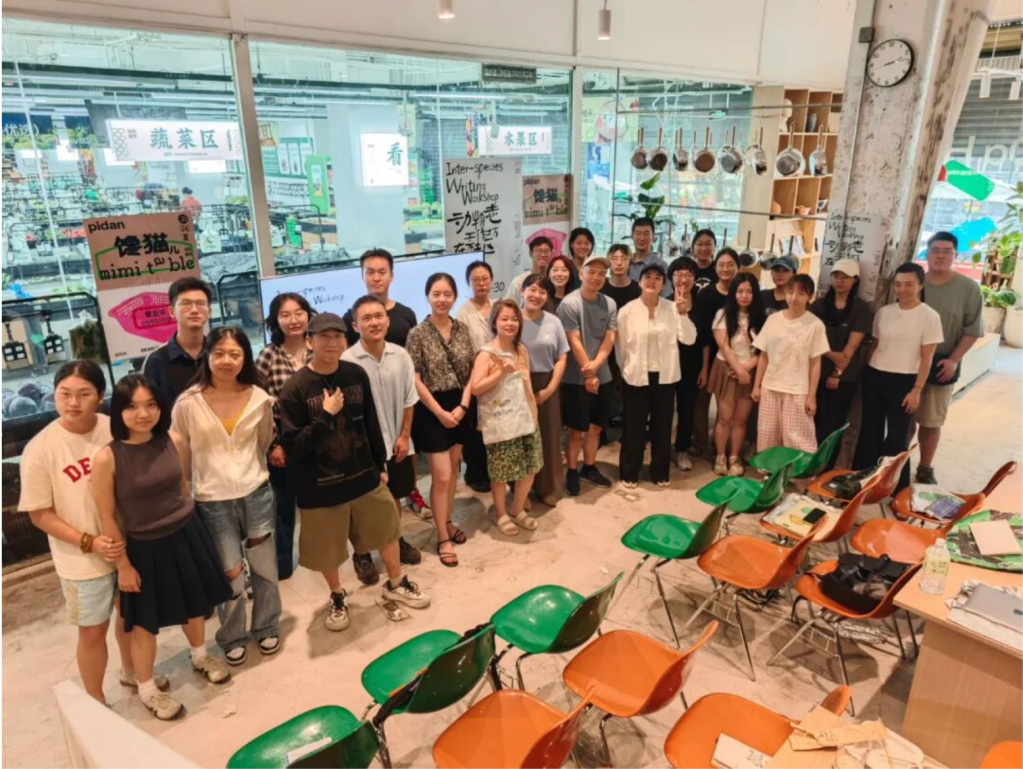
Group photo at the closing of the workshop.
Text by Ming Xingchen, Writer/Contributor.
Primary Focus: Non-fiction reporting/journalism.
Areas of Work: Interviews and profiles, cultural reporting, and commentary writing.
Specialization: Dedicated to collecting and documenting fascinating local customs and the preservation of Intangible Cultural Heritage (ICH) across various regions.
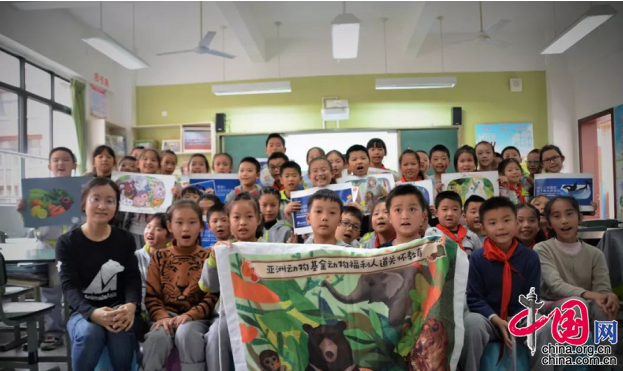
Chengdu Jinyang Primary School invited Xi Li, an educator from the Animals Asia Foundation, to give an innovative and meaningful lesson to third-graders on animal welfare and humane care education.
According to Li, the five major areas of animal welfare (nutrition, health, environment, behavior, and emotional states) are the scientific standards for judging whether animals are happy. “Firstly, different animals have unique nutritional needs, but they all require a balanced nutrition like humans do. The canines of lions, tigers, and bears are often removed or cut off to reduce injury and mortality in trainers during various performances. Such procedures can cause a variety of dental diseases, affecting the animals’ food intake, which in turn may cause other illnesses. Organizations should provide animals with an environment that is suitable for their nature, instead of harming them deliberately for the entertainment of humans. We should let animals express their natural behaviors freely, as each individual has different behavioral needs.” Li said that a large number of wild animals are still being hunted, rare animals are sold as commodities, pets are abandoned or abused, and animals are required to please tourists in circuses throughout their lives.
The students of Jinyang Primary School make the following requests to students and parents around the world:
Do not watch animal performances;
Do not consume wild animals;
Do not take photos or interact with wild animals within a short distance,
Do not keep wild animals as pets;
Do not ride elephants;
Do not feed wild animals.
Let us all start protecting animals and become animal-welfare ambassadors.
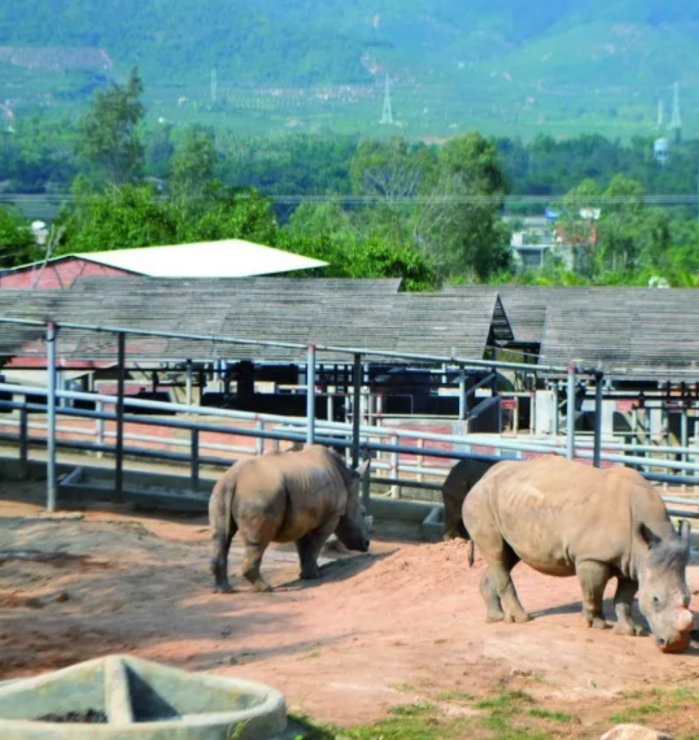
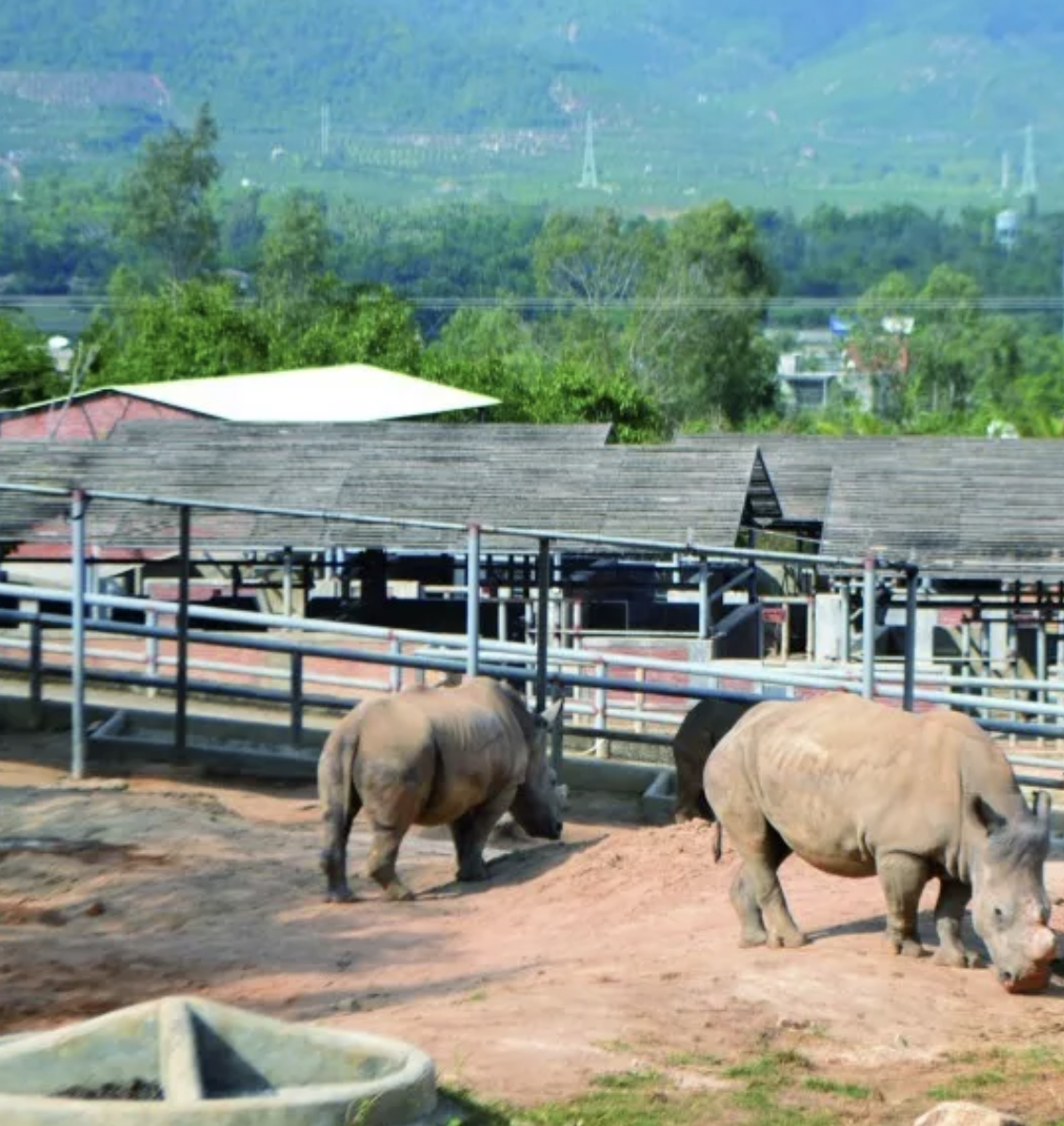
On October 29, 2018, The China State Council issued a notice on the strict control of the operation and utilization of rhinoceros and tigers and their products, and simultaneously abolished the former rhino horn and tiger bone trade ban issued in 1993.
The new notice allows the sale, purchase, use, import, and export of rhinoceros and tigers and their products under certain conditions prescribed by law, whereas in the 1993 notice, the above acts were banned entirely.
The issue in focus is the authorization for obtaining products for medicinal use from artificially bred or naturally dead rhinoceros and tigers. Many worry the new regulation may be abused.
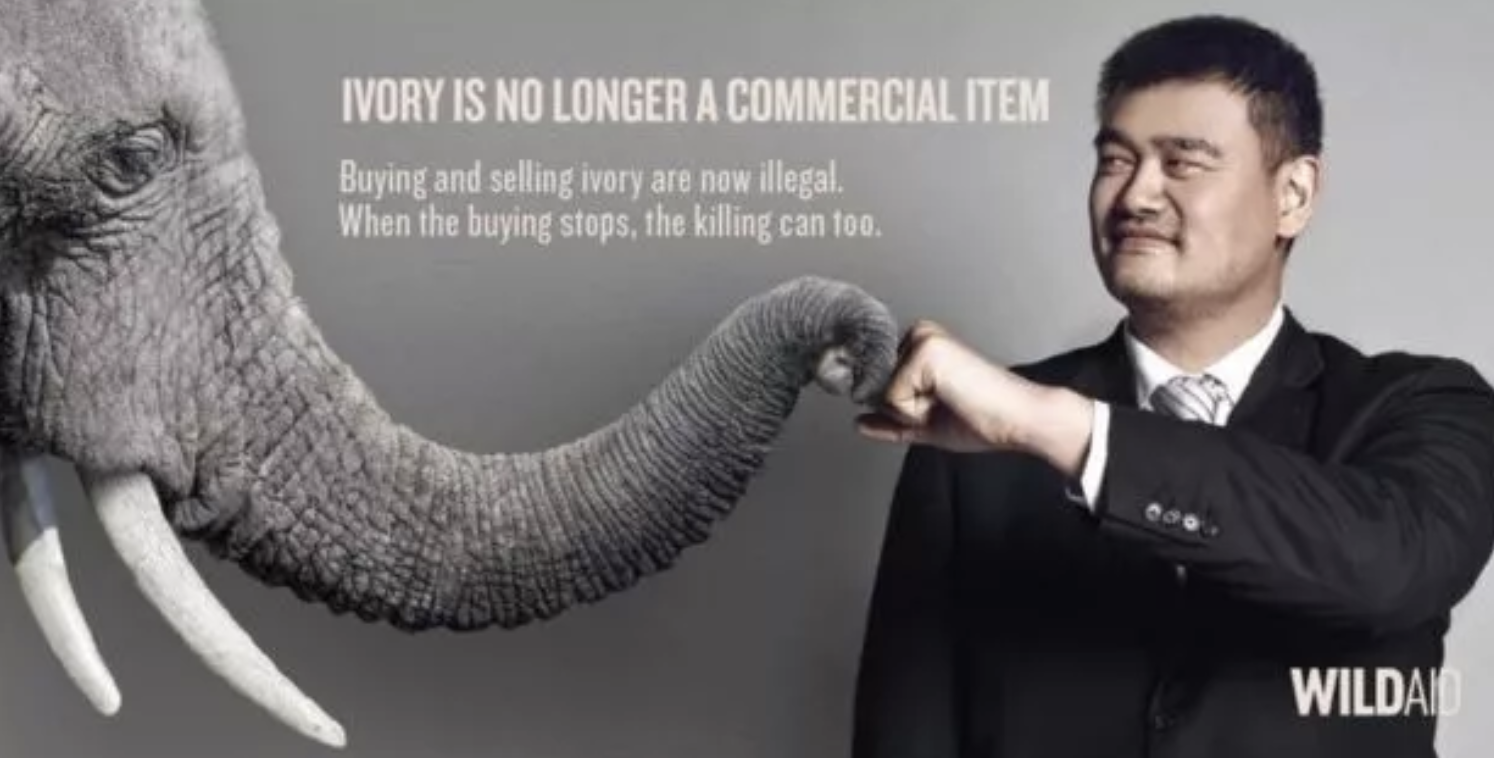
@WildAid
Environmental protection organizations are stunned by the re-opening of the rhinoceros and tiger products market after 25 years of prohibition. While we mourn the loss of the trade ban, let us also examine the example of China’s domestic ivory trade. Since 1981, the Chinese ivory market has opened and closed several times until the latest trade ban in December 2017. Moreover, the period of rampant poaching and rising illegal trade coincided with China’s second opening of the domestic ivory market. TRAFFIC, the wildlife trade monitoring network, stated in its reports that the existence of a legal ivory market leaves some space for the illegal market, raising the demand for ivory and the number of poached African elephants.
With the painful lessons of ivory, we must also pay enough attention to the rhinoceros and tiger market opening, because this may once again lead to an increase in incidences of illegal poaching. At present, the number of wild tigers in the world is only over 3,900, and the number of wild rhinoceros is around 30,000, so protection work is needed urgently.
@Bandao
Animal Dialogue believes that only by strengthening supervision and making standard requirements for various industries can we prevent the influx of unlawful rhinoceros and tiger products. We propose some suggestions for relevant departments and enterprises listed below:
The government should strengthen the enforcement of the ban by departments such as the customs, public security, and internet supervision.
The authorities ought to release a list of hospitals and physicians who are permitted to utilize rhinoceros and tiger bones in medicine and create clear product labels to inform the public better.
The administrative agencies should establish records of an inventory of products and carry out statistical work on the number of rhinoceros and tigers in zoos, farms, scientific research bases, and so on. They should also audit the inventory and quantity regularly.
Internet businesses should improve the management of websites and e-commerce platforms, delete illegal information about rhinoceros and tiger products from the platform promptly, and actively cooperate with authorities to investigate suspected crimes.
We urge the e-commerce industry to train delivery practitioners to identify rhinoceros horns and tiger bones so they may refuse to deliver suspected rhinoceros and tiger products.
In the process of artificial breeding of rhinoceros and tigers, the farming industry should ensure both the physical and mental welfare of these animals.
Wild animals always belong in nature, and we and all those who love wild animals will continue to pay attention to the protection of wild rhinoceros and tigers as well as illegal market trade.
Update:
On November 12th, China announced it is postponing the lifting of the 1993 ban on rhino horns and tiger bones, after a massive wave of criticism from international conservation groups. The relevant plans have been called off, and the old ban is still in place. China’s stance on wildlife conservation remains unchanged. It will continue to enforce the “three strict bans”: “strictly ban the import and export of rhinos, tigers and their byproducts; strictly ban the sale, purchase, transport, carrying, and mailing of rhinos, tigers, and their byproducts; and strictly ban the use of rhino horns and tiger bones in medicine,” said State Council Executive Deputy Secretary-General Ding Xuedong.
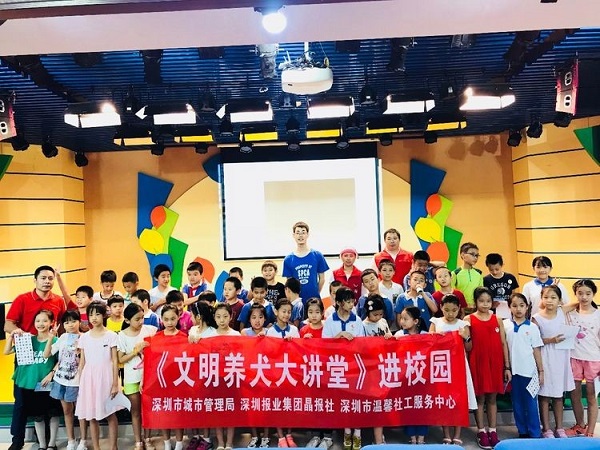
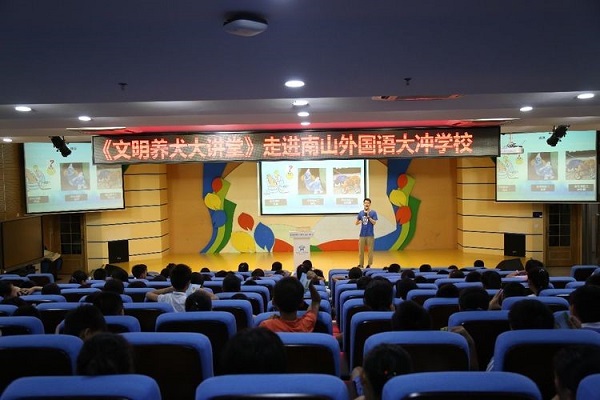
As the typhoon Mangkhut tore through Shenzhen, many people are worried about stray dogs wandering the city’s streets. Discussions about how to reduce the number of stray dogs and how to help them effectively have become heated. On the afternoon of September 21st, the Civilized Dog Raising Lecture was held in the Shenzhen Nanshan Foreign Languages School.
The speakers and the students shared a meaningful experience before the Mid-Autumn Festival. Questions such as how to be a responsible dog owner and how to prevent the increase of stray animals were discussed. To answer these particular questions, the Civilized Dog Raising Lecture introduced ways to care for stray animals and appropriate standards of dog care which resonated well with the students.
Organized by the Shenzhen Urban Management Bureau with various community organizations, the Civilized Dog Raising Lecture has the theme of “Civilized dog raising and a healthy lifestyle” and strives to promote responsible ownership of dogs. Starting from December 2017, the talks have been held in 20 schools and 30 districts such as Futian, Luohu, Nanshan, Longhua, and Longgang. Vivid and specific with methods that are easy to practice, the speeches are warmly welcomed by students and local dog owners.
Darren Wang, the speaker and the education ambassador of Hong Kong SPCA, began the lecture with comics to entice the students. He specifically focused on elements such as “animal cognition,” “the animals’ needs,” “mistakes in dogs’ upbringing,” and “raising dogs legally.” The students were thoroughly engaged. During the section, “identifying dog habits,” some students participated in the role-playing games and learned how to recognize the emotions of dogs. Using an educational video, Wang taught the students the significance of harmonious coexistence between humans and animals, respect, and looking after the animals’ true needs. Wang also discussed the stray animals that were suffering from the typhoon Mangkhut and addressed the owner’s important responsibility in reducing the number of stray dogs. Wang encouraged students to start taking small steps, such as not abandoning dogs and adopting dogs instead of buying and helping stray dogs.
Both the students and teachers loved the humorous style of the lecture. The Vice Principal, Li Yiyang, enjoyed the lecture greatly. She also encouraged the students to respect and take care of the animals living around them.
This year, the Shenzhen Urban Management Bureau carried out a series of activities promoting responsible dog ownership from different aspects such as publicity, service, management, and law enforcement. Examples of activities are Year of the Dog Painting Contest, the Best Dog Owner Award, and the Owner Responsibility Neighborhood Outreach, etc.
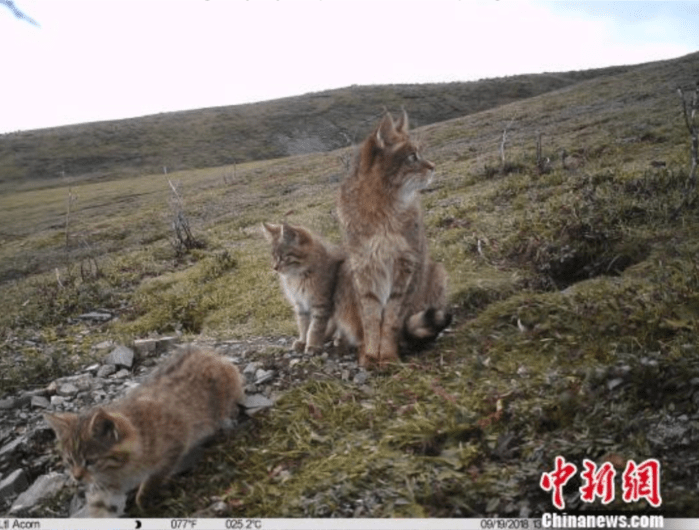
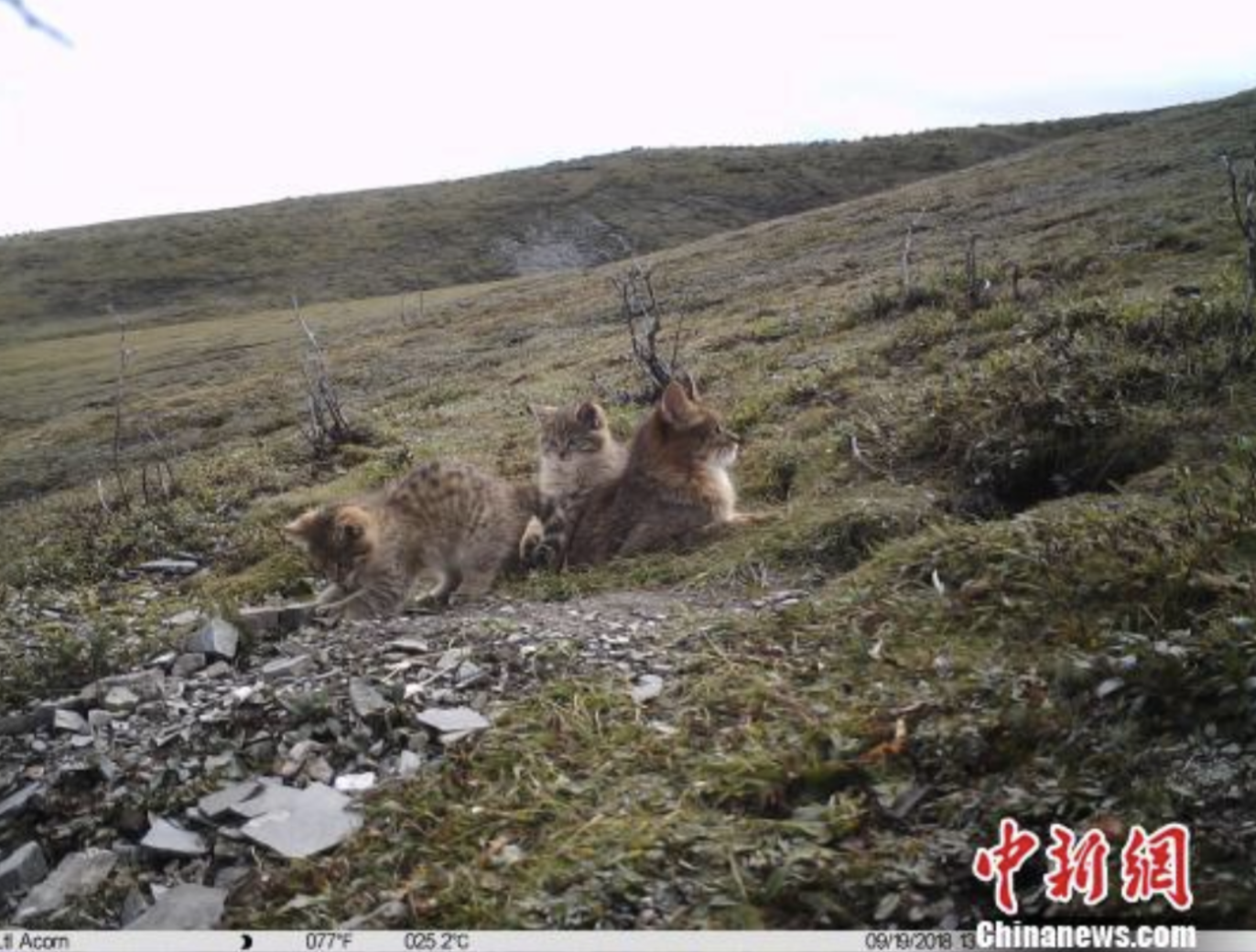
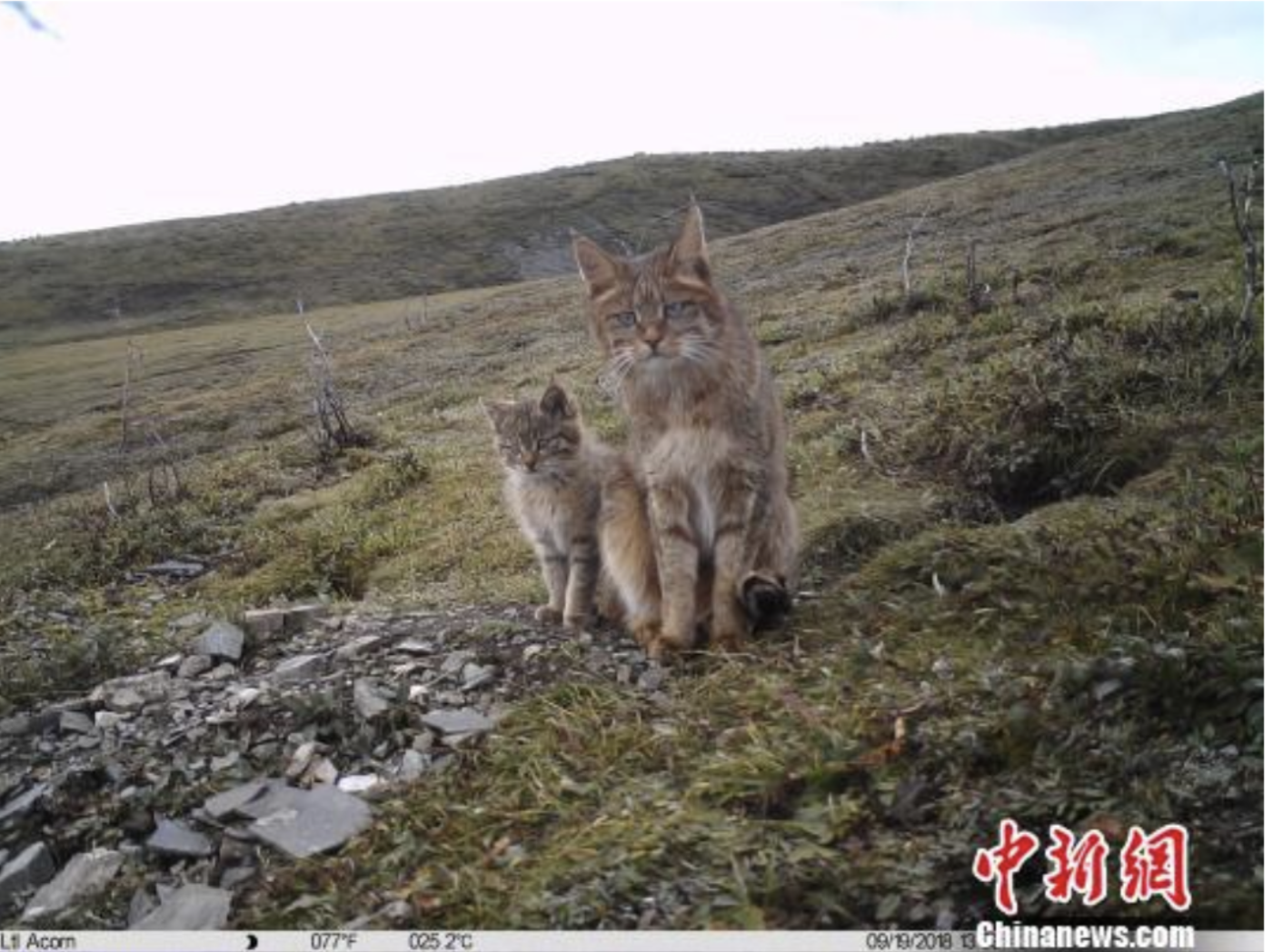
For the first time, parental behaviors of the Chinese mountain cat were recorded in the Sanjiangyuan area.
Recently, the childcare activities of the endemic Chinese mountain cat, Felis bieti, were recorded for the first time in a site near Tongtian River, Chengduo County, Yushu Tibetan Autonomous Prefecture, Qinghai Province.
The Chinese mountain cat is the national second-class protected animal in China. It is also one of only two unique carnivores found solely in China, the other one being the giant panda. At present, the Chinese Mountain Cat is seen only in Sichuan, Qinghai, Gansu, and other regions. Due to the species’ elusive nature and limited range, records of their appearance have been minimal for many years. It was only 11 years ago in 2007 that the first photo of a Chinese mountain cat was captured in the wild. It is considered one of the most mysterious felids in the world.
“From September 20, 2018, one of the infrared cameras deployed in the area of Chengduo County had been recording the breeding nest of a Chinese mountain cat, and it continuously captured the behavior of a Chinese mountain cat mother and two kittens.” Zhao Xiang, the program director of the ShanShui Conservation Center, said. “This survey recorded the activity of a Chinese mountain cat family. The two kittens were 2 to 3 months old, and their mother trained them to hunt preys and perform other skills everyday. Also, the footage was complete.”
The Chinese Mountain Cat is one of the top carnivores in the grassland. They mainly feed on rodents such as pikas and birds. The survey indicated that Chinese mountain cats prey on two plateau pikas every day. Therefore, protecting Chinese Mountain Cats is also very important for maintaining the integrity of the grassland ecosystem.
“Because the Chinese mountain cat is only found in China, we need to play a more important role in its research and protection,” said Dr. Xiao Lingyun, a researcher at Peking University Nature Conservation and Social Development. He told reporters that currently, the academic community knows very little about their behavior, population status, and other information.
In the future, ShanShui Nature Conservation Center will further cooperate with county officials to conduct long-term evaluation surveys in the surrounding areas to determine the distribution of Chinese mountain cats in the region and threats to the population to implement targeted protection work.
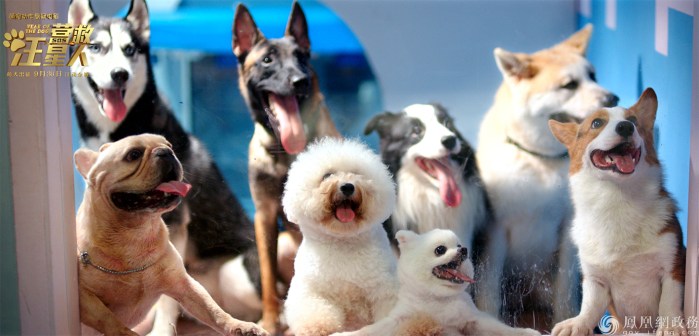
The cutest movie in the Year of the Dog, The Big Rescue, has teamed up with the China Small Animal Protection Association (CSAPA) to raise funds for the eradication of rabies in China. For each ticket sold, The Big Rescue will donate one yuan to the CSAPA, which will use the funds to feed and immunize stray animals.
The Big Rescue tells the story of a grand partnership formed between man and man’s best friend to rescue kidnapped pooches from a drug ring. Due to its animal protectionist theme, the movie had attracted the attention of CSAPA members since the pre-production stage.
China Small Animal Protection Association was formally founded in 1992. Based in Beijing, the CSAPA organizes public education campaigns, outreach, and animal rescues. The CSAPA’s mission is to protect animals’ freedom from death, illness, and abuse and to improve the living standards of small animals.
Ms. Liang Ting, the film’s producer, director, and screenwriter, said that the purpose of the film is to “spread the idea of animal protectionism and animals’ equal right to live.”
Ms. Liang Ting added, “Although the public’s animal-loving sentiment is growing stronger, the number of stray animals is steadily rising, which may somewhat increase the risk of diseases in humans.”
China has the second highest number of reported rabies cases in the world after India. Dr. Fu Zhenfang, a world-renowned rabies expert and the professor of pathology at the University of Georgia’s College of Veterinary Medicine, said in an interview, “The highest priority of rabies prevention is animal immunization. Animals should be vaccinated in both urban and rural areas.”
The Big Rescue and CSAPA will use the majority of the funds raised to administer rabies vaccines to stray animals in addition to purchasing food and medical supplies.
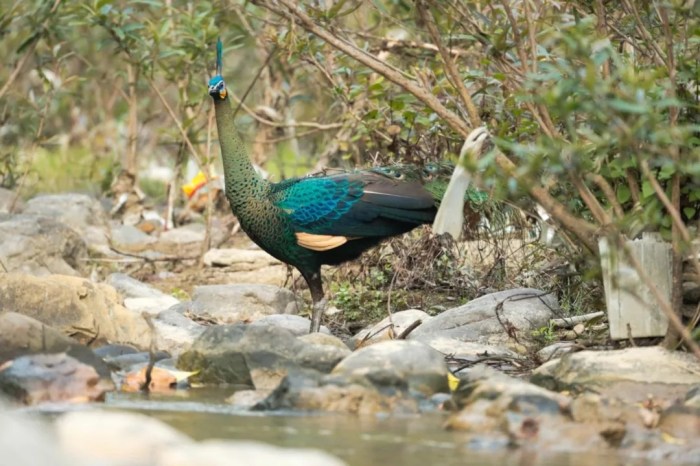
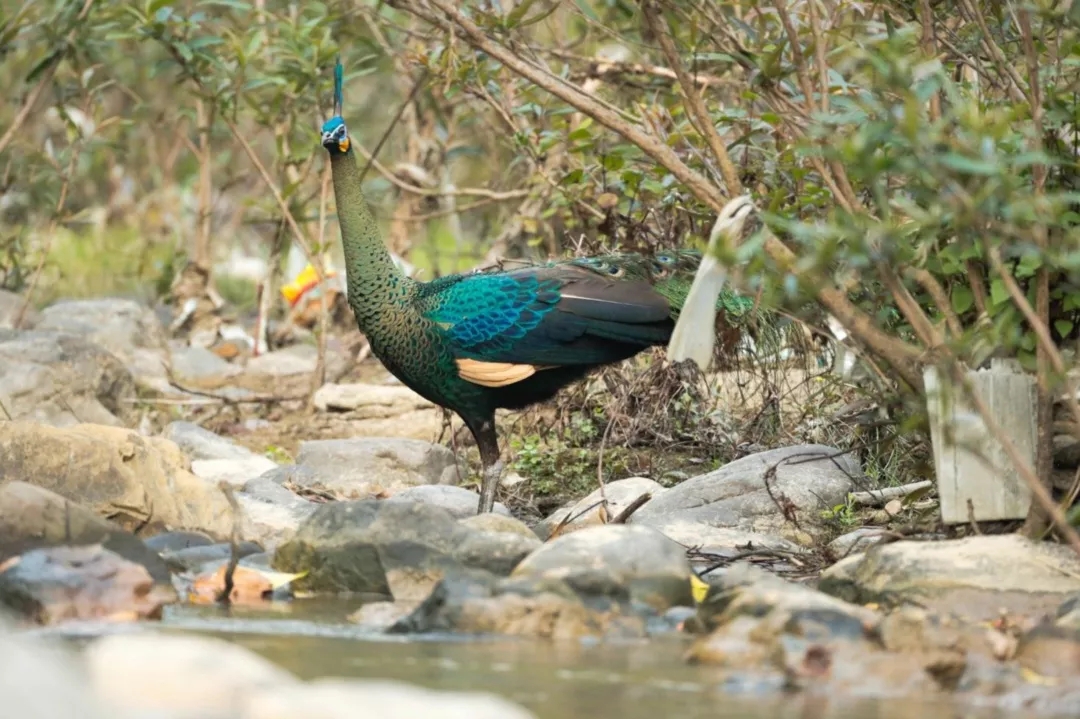
On August 28th, 2018, the very first public interest litigation on endangered animal conservation in China, the case on green peafowl habitat protection, was held in the Environmental Court of Kunming Intermediate People’s Court. The trial opened on the 28th. After three hours of court investigation and debate, the court announced the end of the trial. The sentence would be announced at a later date.
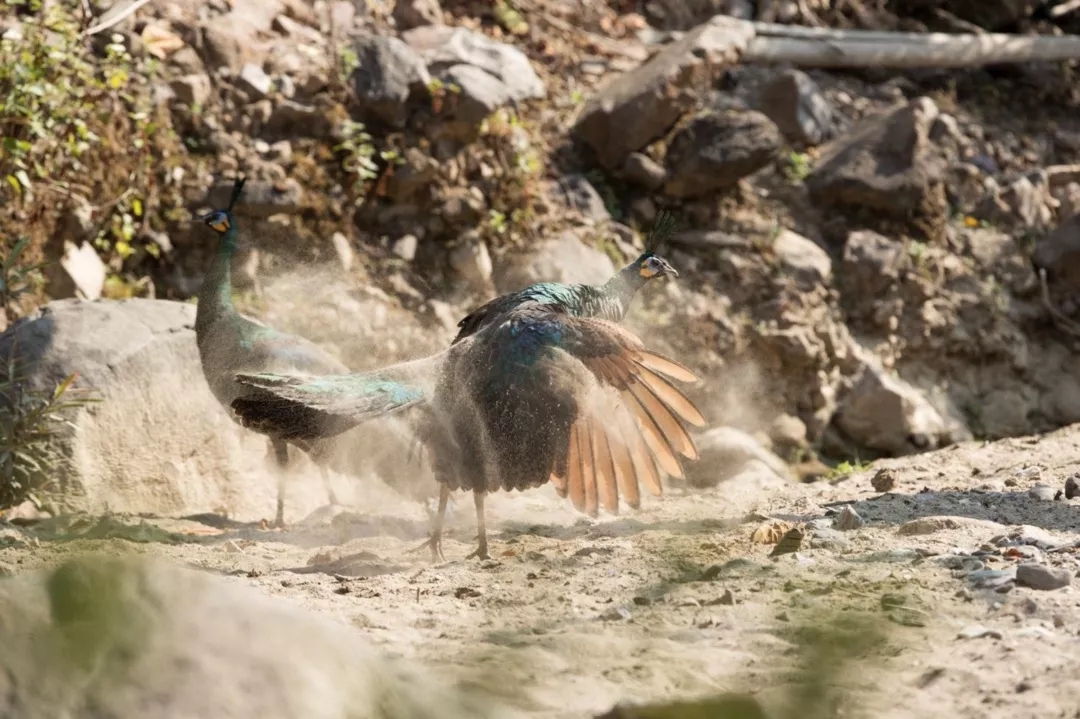
A green peafowl in its habitat in Kunming, Yunnan @ Wei Zhang, Wild China
In July 2017, to prevent the construction of the Jiasa River-I hydropower station from destroying the last intact green peafowl habitat in China, Friends of Nature brought a lawsuit. The lawsuit demanded that the defendants, the China Hydropower Consulting Group Xinping Co. Ltd and China Power Construction Group Kunming Survey and Design Institute Co. Ltd, halt the construction of the hydropower station in the Jiasa River.
The focus of the case centered around whether the two defendants would cause large-scale destructions to the ecosystems in the inundated areas. The plaintiff, Friends of Nature, stated that the inundated area of the construction project was a habitat with the largest green peafowl population. The construction would result in substantial environmental damage to the critical habitat of green peafowls, and would very likely cause the green peafowls in the region to go extinct.
@ Xiaosong Zhuang
The representatives from the defendants’ side questioned the professionalism of the plaintiff’s experts. They argued in court that, based on their environmental impact assessment, the construction would cause no considerable damage to the ecosystems and the species.
The construction project is located in a tropical rainforest, where the biodiversity would be tremendously damaged by the hydropower station.
Currently, the two defendants are waiting for instructions from relevant government departments as to whether or not to resume the construction.
With the continuous growth of the global population, it has become increasingly difficult to produce enough meat to satisfy global demands. Moreover, animal agriculture and meat processing also damage the environment.
Therefore, 100 % plant-based meats that look and taste exactly like real meat has begun to emerge.
How big is the market for plant-based meats? It is reported that 4% of the world’s population are vegetarians, and this number is on the rise. According to the Vegetarian Association, the U.S. plant-based meat market in 2016 was worth $5 billion and contributed $13.7 billion in sales to the U.S. economy. This is only the U.S. data. The plant-based meat industries in the UK, France, Germany, and other countries are also developing rapidly.
We learned that the research and development of plant-based protein products and their producers, including Beyond Meat and Impossible Foods, have received tremendous financial support, and the number of new companies is also increasing. But these companies place more focus on replacing normal meat products.
Sophie’s Kitchen, which has recently drawn attention from 36Kr, expressed interest in another vertical market for plant-based meats — plant-based seafood, which uses vegan raw materials to mimic the taste, smell, and nutrition of seafood.
Yaoxin Wang, the founder of Sophie’s Kitchen, told the reporter from 36Kr that he chose to enter the seafood market because many people from all over the world are allergic to seafood, and the demand is relatively strong.
According to an epidemiological survey, the number of people allergic to seafood products in the United States has reached 6.9 million, accounting for 2.3% of its total population. The epidemiological survey of the Chinese Center for Disease Control and Prevention found that the incident rate of food allergies in Chinese adults is as high as 6%. The survey identified the major allergens as seafood products and eggs. In addition, the seafood meat structure is more difficult to imitate and has certain technical thresholds.
Sophie’s Kitchen focuses on the imitation of seafood meat structure. This technology is relatively mature. The raw material it uses to substitute fish meat is pea protein powder, and the raw material for substituting soft shell seafood is konjac and seaweed powder. Wang told 36 Kr that they applied for a number of patents for the processing technology. The production process of soft shell seafood substitutes completely differs from the production process of fish substitutes. After completing the imitation of the fleshy structure, Sophie’s Kitchen will optimize taste and nutrients in the next step.
Sophie’s Kitchen’s products are processed in a factory in Taiwan, with a capacity of about 10 tons per month, mainly producing seafood and plant-based meat products. Its products have successfully entered more than 1,000 European and American supermarkets through vendors, with an annual revenue of about 1 million USD.
Wang told 36 Kr that although their products generate high profits, Sophie’s Kitchen is still limited by the scale of its business and is looking for U.S. investments to finance its expansion. He hopes to increase its number of product carriers to 2,000 and generate a profit of 2 million USD in 2018.
Unlike other plant-based seafood producers who target the restaurant industry, Sophie’s Kitchen mainly sells products through supermarkets.
The Sophie’s Kitchen team currently consists of four people. Its CEO Yaoxin Wang has an MBA from the Columbia Business School, as well as over 20 years of experience in plant-based manufacturing.
All information and photos come from Jiuchisu:https://www.jiuchisu.com/NeWs/17447.htm
Translated by Jiajia Han and Sherry Yao, and edited by Riley Peng @ Animal Dialogue