Fuxi Animal Hospital brings free veterinary clinics to the community

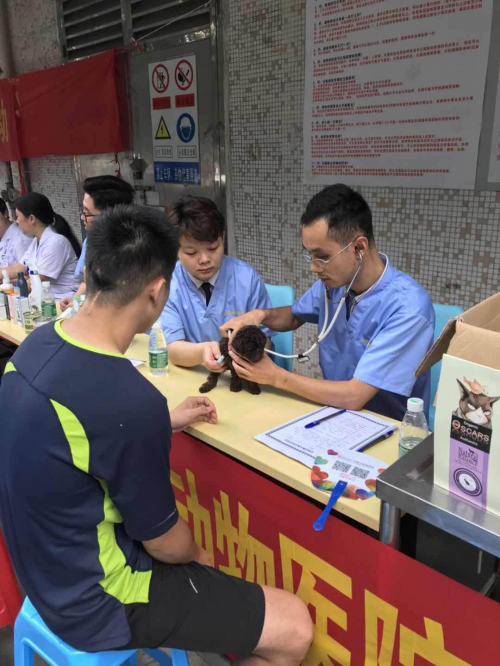
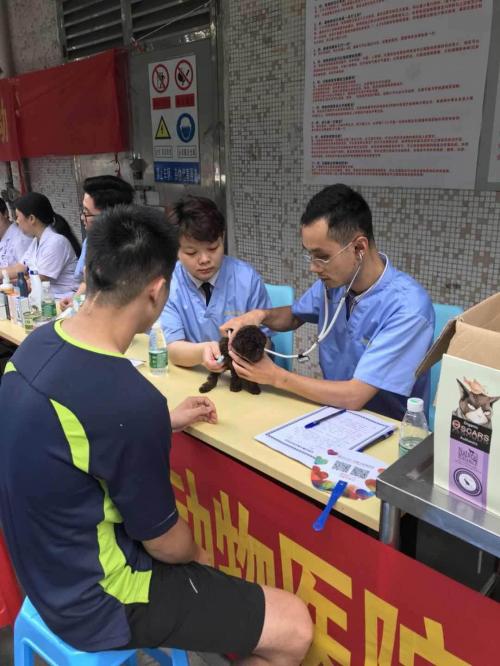
On July 13, 2018, in order to promote scientific methods of raising pets and preventing animal diseases, Fuxi Animal Hospital and the Judean Community Neighborhood Committee hosted free medical consultation sessions for animals at the South Gate of the Judehuayuan Community in Tianhe District, Guangzhou.

The theme is “Harmonious Community, Civilized Science, and Pets,” which enables the community residents to learn how to scientifically raise their pets. At the same time, the event provides support services for community stray animals, and collaborate with the local community to create a safe and comfortable living environment for both the residents and their pets.
1

On the same day, seven senior physicians from the Fuxi Animal Hospital set up a general medical examination desk for providing free full-body physical examinations to animals. The items examined included: body weight, body temperature, body condition, level of consciousness, behavior, body posture, ear examination, eye examination, nose, mucosal color, cavity, teeth, skin coat, palpation of the abdomen, limbs, joints, auscultation of the heart and lungs, etc.

In addition, the event taught the residents general pet knowledge and how to take care of young and old sick animals, handled dog certification for community residents, and popularized vaccines, deworming, and zoonosis.

2nd

In recent years, as the number of pet families increased, the number of stray pets also increased. To foster a harmonious community, Fuxi Animal Hospital actively provides support services for stray animals. It implemented a half-priced stray animal sterilization program, as well as a half-priced stray animal disease diagnosis and treatment plan.

3rd

Fuxi Animal Hospital said that it intends the free clinic activities to advocate for a more civilized way of raising pets, to build a harmonious community environment, and to provide care and love for stray animals. It hopes that these activities will help the residents better understand their pets, and improve the emotional exchange and communication between residents and their pets.

All information and photos come from gogochina.cn (click to view source).

Translated by Sherry Yao and edited by Riley Peng @ Animal Dialogue
Rosy starlings came to build their home in a construction area in Xinjiang, causing an advanced highway construction project to pause

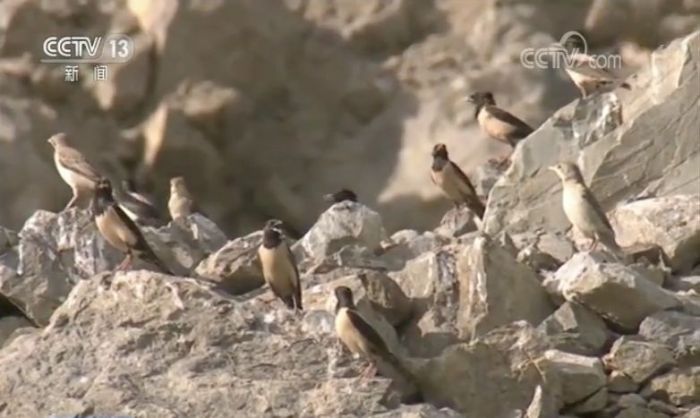
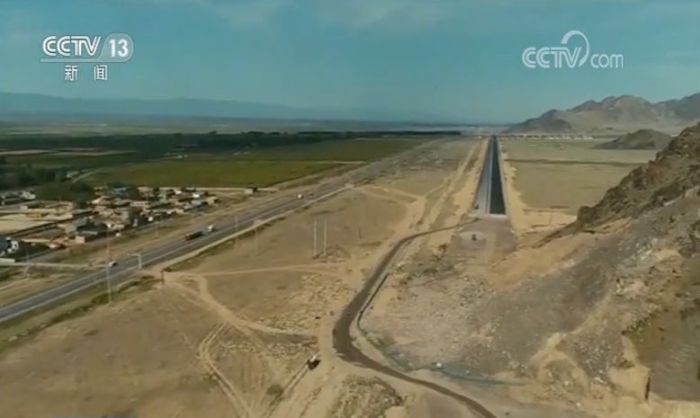
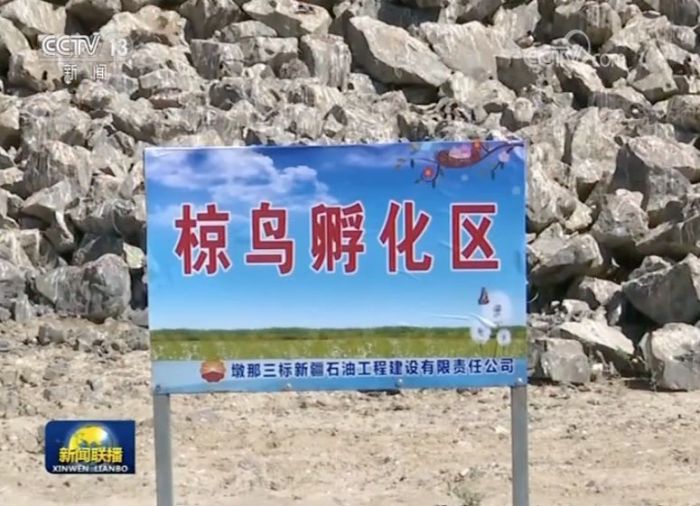
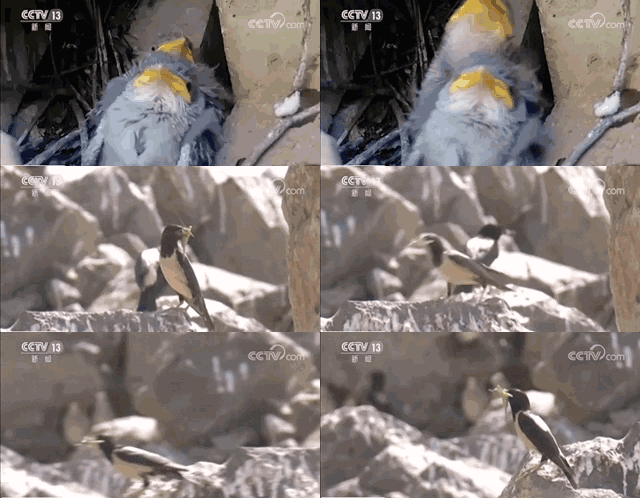
In Nilka, Xinjiang, nearly 74 million dollars had been invested in a highway construction project. But to the workers’ surprise, the gravels at the construction site had attracted a flock of rosy starlings to build their home here and breed the next generation. What’s more, because these birds had decided not to budge from their nests, the construction project had to halt because of them. What on earth had happened?

Rosy starlings caused a halt in the construction project

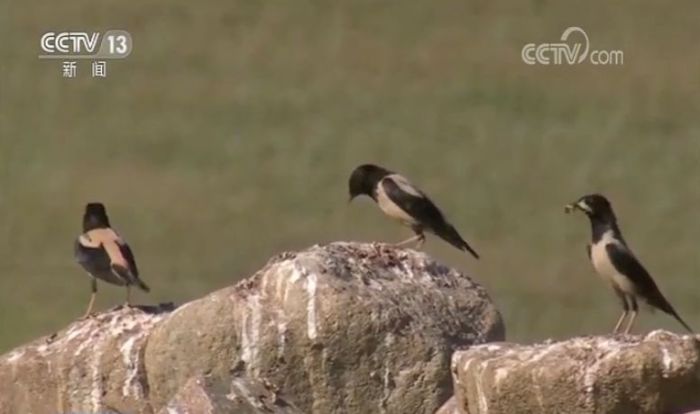
Xinjiang is the main breeding ground in China for rosy starlings. Every year from May to July, rosy starlings come here to breed their next generation. This year, these birds happened to choose to build their nests within the highway construction area in Ili, Xinjiang.

1

In the beginning, when the huge flock of rosy starlings had arrived at the construction site, the workers felt very confused. Later, they invited ornithologists to the site, who discovered what species these birds were and the fact that they were at their breeding season. Rosy starlings like to build their nests near gravels and small caves, but they won’t stay there forever. It only takes a month for the young starlings to grow up. After the conclusion of that month, they will migrate with their parents to the south. However, for this 74-million-dollar project, a month is definitely a long time.

2.jpg

Dongjun Jiang, the chief engineer of the project, said: “It is very hard to stop such an enormous project because many factors — such as labor, materials, equipment, and construction timeline — are involved. These friendly birds had been a headache for the construction team. However, rosy starlings hold important economic and research values. They are worth our protection. Therefore, the local government, as well as the construction team, decided to halt the project.”

Dongjun Jiang stated that the construction project will resume after the rosy starlings have moved away.

The local villagers had built homes for these starlings

The construction project had stopped, but the workers haven’t. They have been building protection webs for the birds. In fact, the local villagers in Ili, Xinjiang, have also been quite supportive.

4.jpg

The reporter visited a village and learned that more than 50 out of the 440 families in this village have rosy starlings breeding in their backyards. Erijan Ye have been building his new house, but a month ago, several rosy starlings had already built nests over the bricks that he originally intended to use for his building new house. To avoid disturbing them, Erjiang had to buy new bricks.

5.jpg

The local villager, Erjiang said: “Rosy starlings had built their nests on our bricks a month ago. Since we do not want to damage their eggs and nests, I bought new bricks for the house. This year, the villagers have been gathering stones and moving them to areas typically frequented by large numbers of locusts, so that more rosy starlings can be attracted to those areas and breed there.”

Rosy starlings are “locust killers”

Rosy starlings like to eat locusts, and they possess a big stomach and good appetite. Each adult bird can consume 120 to180 locusts. In many parts of Xinjiang, farmers have been using large amounts of pesticides to kill locusts, but doing so had been highly costly, as well as threatening the environment and rosy starlings. After making various comparisons, biologists realized that rosy starlings can be a better biological pest control method. Indeed, this solution yielded much better results.540.gif

The photographer happened to take this picture of adult rosy starlings breeding chicks during an interview on the highway. The baby birds were waiting for their parents to feed them.

The reporter learned that, over the past ten years, 17 huge rosy starling nests were built over 140,000 acres of farmland in Nilka which were heavily infested with locusts. Thanks to these starlings, the locust population has been effectively controlled.

6.jpg

It is now the breeding season for rosy starlings. It will take a month for the young starlings to grow up. And after a month, the starling families will move to South Asia.

All information and photos come from The Paper and CCTV News: https://www.thepaper.cn/newsDetail_forward_2268845.

Translated by Lele, and edited by Riley Peng @ Animal Dialogue
 

The establishment of China’s first farm animal welfare charity award

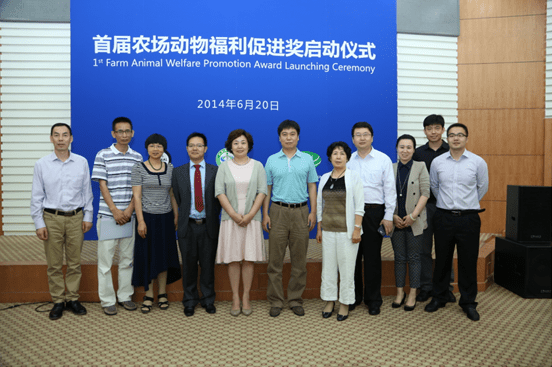
On the morning of June 20th, the launching ceremony of the “Farm Animal Welfare Promotion Award” was held at the Chinese Academy of Agricultural Sciences. This award is the first public welfare award for farm animal welfare in China, jointly sponsored by the World Animal Protection Association (World Animal Protection), the China Veterinary Association (CVMA), and the China Agricultural International Cooperation Promotion Association (CAPIAC).

The ceremony was hosted by Zili Jia, Secretary General of the Animal Welfare Health Services and Welfare Branch of the China Veterinary Association.

1
@FeedTrade.com

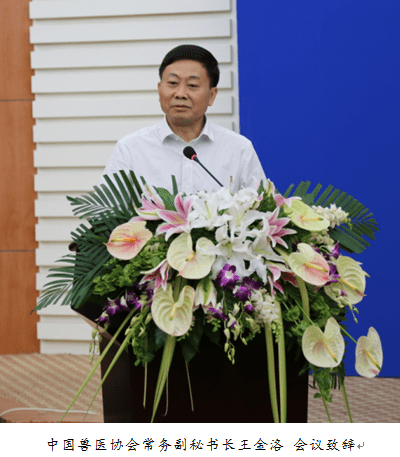
In a subsequent speech, Jinluo Wang, Executive Deputy Secretary General of the Chinese Veterinary Association, introduced that World Animal Protection was established in 1981, and has dedicated itself to animal protection for over 30 years. Headquartered in London, it is active in more than 50 countries around the world. The organization actively promotes the concept and practice of animal protection. Internationally, holding a comprehensive consultative status with the United Nations ensures that animal protection is included in the global issues that need to be addressed, explaining to the world that animal protection is mutually beneficially for both humans and nonhuman animals.

Jinluo.png
Jinluo Wang speaking at the launching ceremony @FeedTrade.com

China is a big producer of animal products. In order to promote the enactment of animal welfare legislation, the China Animal Welfare Association was established in 2013. It has demonstrated its commitment to the advancement of animal welfare by executing various animal welfare projects.

Mr. Zhonghua Zhao, China’s Chief Representative of the World Animal Protection Association, remarked that just like humans, animals also have morality and emotions. China’s cultural inheritance should also include animal protection.

Moreover, animal welfare standards must be adopted by the livestock industry in the near future. The “Farm Animal Welfare Promotion Award” aims to promote the implementation of animal welfare standards in slaughterhouses and other enterprises.

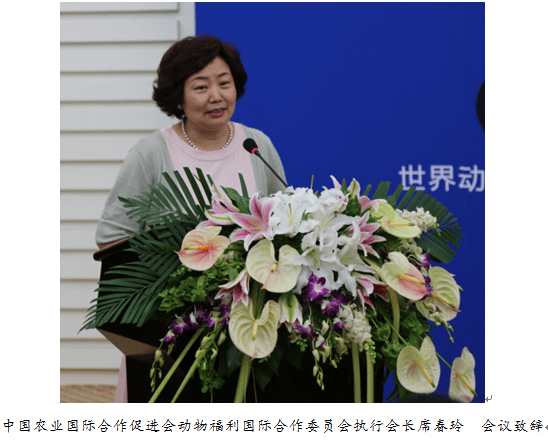
Chunling Xi, Executive Director of the China Council for the Promotion of International Cooperation of Animal Welfare (ICCAW), explained that prior to this ceremony, the ICCAW conducted a questionnaire among the masses. The survey results show that welfare animal farming in China has a high degree of public recognition: 84% of those surveyed are willing to purchase welfare-rated products, and 70% are willing to purchase welfare-rated products at a price 10% higher than non-welfare-rated products.

Therefore, she hopes that these animal welfare prizes will make the public more acceptive of animal welfare.

12.png
Chunling Xi speaking at the ceremony @FeedTrade.com

Professor Xianhong Gu, an animal welfare expert for 20 years, reported to the guests and media outlets present at the ceremony the significant progress China has made in farm animal welfare. At present, China’s farm animal welfare standards have been promulgated, in conjunction with the launch of relevant national scientific research plans.

All information and photos come from FeedTrade.com:
http://www.feedtrade.com.cn/news/enterprise/2014-06-24/2017950.html

Translated by Sherry Yao and edited by Riley Peng @ Animal Dialogue
To protect wildlife, Baidu blocked 53 users and shut down 33 Post Bars

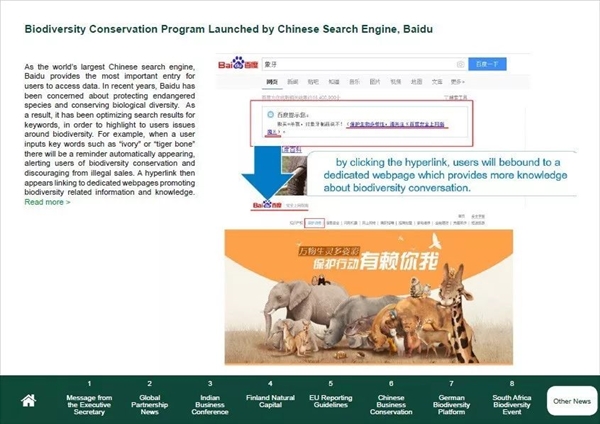
On March 7th, 2017, Baidu launched the “Baidu Biodiversity Protection Project” to cleanse the Baidu Post Bar, an online community bound tightly to Baidu’s search service. For a long time, many wildlife product traders had used Baidu Post Bar to post or exchange trade information without any restriction. This illegal trade hasn’t been terminated until this year.1

According to the latest data, up until now, Baidu has deleted 197,000 posts about the illegal wildlife product trade, shut down 33 Post Bars, and permanently banned the accounts of 53 users. Harmful information and thousands of pictures on Baidu’s other user platforms, such as Baidu Knows and Baidu Library, have also been blocked by Baidu.

All of these actions aim to protect endangered animals such as elephants, pangolins, bears, rhinoceros, and tigers.

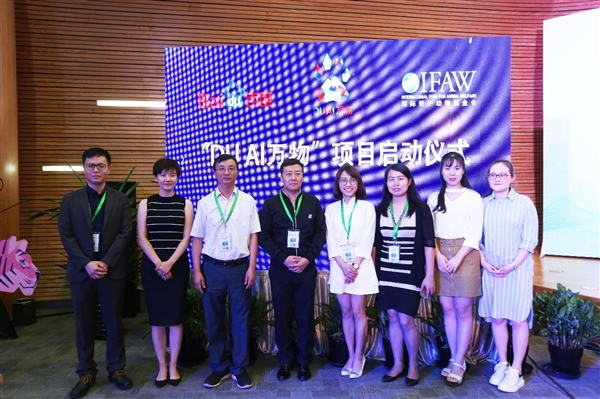
On June 22nd, 2018, Baidu cooperated with the International Fund for Animal Welfare to launch the “DU AI All Life” ( which means “Baidu Loves All Life”) project. The two parties will utilize their respective advantages to protect biodiversity and explore the applications of internet technology in the area of wildlife crime prevention.2

This was the achievement of the second phase of Baidu’s biodiversity protection project. Over the past year, Baidu has joined hands with government authorities and NGOs to contribute to biodiversity protection.

At the International Biodiversity Day Memorial in March 2017, Baidu cooperated with China’s Ministry of Environmental Protection on the DUVA project. Baidu was the only internet company to attend this conference.

From September 25th to 27th, 2017, TRAFFIC, a world wildlife trade monitoring network, invited Baidu to attend Oxford University’s illegal wildlife trade conference. Baidu’s accomplishments in biodiversity protection were collected by the Secretariat of Convention on Biological Diversity and published as a brief report, which was sent to over 20 member countries.5

On November 22nd, 2017, Baidu, in conjunction with 8 other Chinese internet companies, including Tencent and Alibaba, launched the first Chinese internet company league aiming to attack the illegal online wildlife trade.4

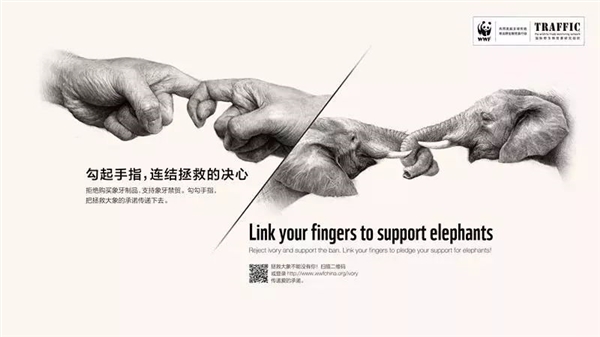
In January this year, Baidu cooperated with WWF to hold a “Make a Pinky Promise with Celebrities” event to spread the spirit of resisting ivory products.

Baidu has promised to continue trying its best to protect biodiversity with its advancements in internet technology.

All information and photos come from TechWeb: http://www.techweb.com.cn/internet/2018-06-28/2680030.shtml

Translated by Victor Du and edited by Riley Peng @ Animal Dialogue

Chuying Agro-Pastoral Group awarded with the “Good Pig Production Award”

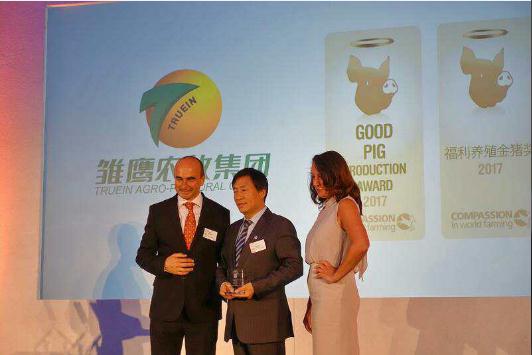
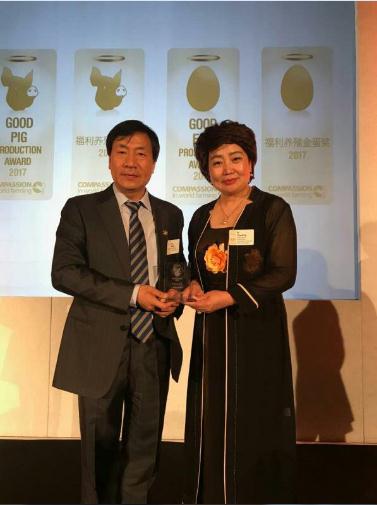
On June 28th, Chuying Agro-Pastoral Group has been honored with the “Good Pig Production Award.” This is the third time for the Group to win this award signifying international recognition.

Compassion in World Animal Farming, or CIWF, has awarded the Group because of its commitment to “green” and humane farming methods for meat pigs and sows.1

The Group really cares about the health and well-being of its pigs, taking measures to ensure their comfort.

For instance, experts have prepared a customized daily schedule for each pig. In the summer, the pigs would go outside to sunbathe. In the summer, the pigs would go indoors to stay warm. Whenever they are thirsty, they can drink premium spring water. Whenever they feel hungry, they can eat high-quality soy and corn, and snack on fresh, seasonal vegetables.

In 2014, China Association for the Promotion of International Agricultural Cooperation, or CAPIAC, collaborated with CIWF to introduce the “Good Pig” award into China. Chuying Agro-Pastoral Group was the first enterprise to be honored with the award.

Subsequently, under the guidance of CIWF, the Group has continued to improve the welfare standards for its pigs. The Group ensures that during the transportation process, its pigs would not suffer from the bumpiness of roads. Before being slaughtered, they listen to Buddhist scriptures to stay emotionally calm. They are also euthanized instead of inhumanely slaughtered.2

“Now, many farmers proactively promote welfare pig farming,” said Wuqun Hou, Vice Chairman of Chuying Agro-Pastoral Group. The concept of welfare animal farming has now become much more widely recognized in Chinese farms.

All information and photos were obtained from Sina.com: http://finance.sina.com.cn/roll/2017-06-29/doc-ifyhryex5412855.shtml

Learn more about the Good Pig Award here: https://www.compassioninfoodbusiness.com/awards/good-pig-award/

Summarized and edited by Riley Peng @ Animal Dialogue
The 2018 Africa-China Wildlife Conservation Conference Targets Pangolin Protection

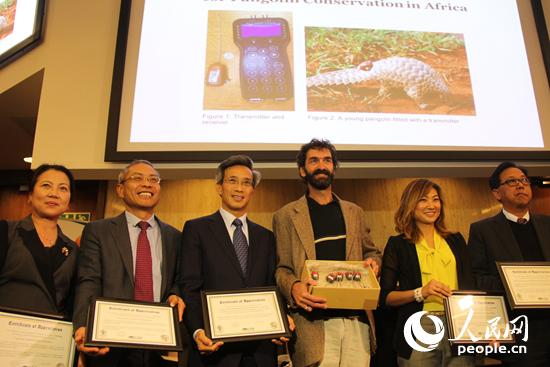
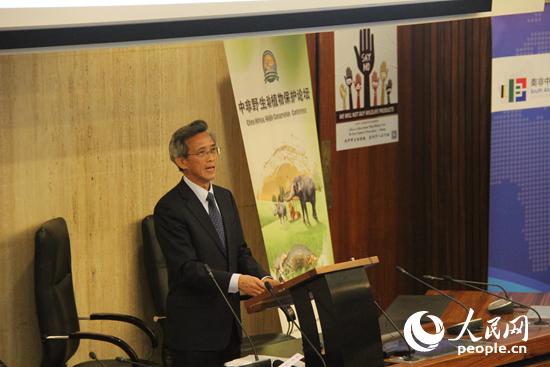
On June 7th, the 2018 Africa-China Wildlife Conservation Conference was held in University of the Witwatersrand, Johannesburg, South Africa. The theme of this conference was “Wildlife Conservation: China Will Become a Strong Force in This Battle.” H.E. Ambassador Songtian Lin of China was invited to the conference and delivered a speech.

More than 100 people participated, including South African government officials, Africa-China relations scholars, representatives of Chinese communities in Africa, wildlife conservation organizations from different counties, and media outlets.1.JPG

With the support of Chinese communities in Africa and Chinese enterprises, the conference donated GPS tracking devices to the African Pangolin Working Group (APWG), the most influential pangolin protection organization in Africa.

According to Ray Jansen, the chairman of APWG, the world’s pangolins are facing severe survival threats. The GPS will be used to track saved pangolin for scientific research and pangolin protection.

Professor Ebrahim Momoniat, the Headmaster of Science College of the University of the Witwatersrand, represented the university to welcome the participants. He noted that so many representatives from different industries have gathered for this conference to resolve the dilemma of wildlife conservation. What’s more important was for all of them to concur on feasible solutions to the problems faced by Africa-China wildlife conservationists.

H.E. Ambassador Lin of China mentioned the two-day celebrity event hosted by the Chinese Embassy in March, which collected 200,000 rands worth of donations for Kruger National Park. He was so delighted to see that Chinese civil groups and organizations have taken up the initiative to hold this conference three months later. This conference provides “a great opportunity to communicate China’s wildlife conservation policies and measures to the South African and African people.”

3.JPG
Ambassador Lin delivering his speech @people.cn

As Lin has said, the Chinese government has recognized the vital importance of wildlife protection in recent years. Since January 1st,2018, ivory trade has become illegal in China. Nowadays, fewer instances of wildlife poaching have been reported in China. As for illegal poaching by the Chinese ethnic minorities, the Chinese government will take a “zero-tolerance” attitude, and will cooperate closely with African countries to end these activities.

“This year marks the 20th anniversary of Chinese-South African diplomatic ties. We are willing to deepen mutually beneficial cooperation across the board. We can bring more benefits to the peoples of China and South Africa, and make new contributions to the cause of wildlife conservation,” said Lin.

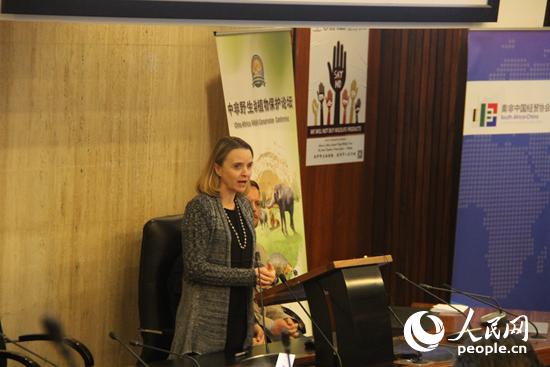
According to Frances Craigie, the official of this country’s Department of Environmental Affairs, the Republic of South Africa is the biggest victim of illegal wildlife trades. To terminate illegal wildlife trading, the South African government has implemented numerous policies and measures. Meanwhile, the government has advised peoples to use natural resources properly and develop local economies, especially in rural area, to protect the nation’s unique biodiversity.

4.JPG
Craigie giving her speech @people.cn

Mrs. Yanqing He, the director of the Humane Society International (HSI)’s Chinese branch, perceived this conference as precious and commendable. “When it comes to wildlife protection in Africa, people frequently mention elephant or rhinoceros. But this conference is focusing on pangolin, a rarely noticed species,” she said.

The conference was initiated by China Biodiversity Conservation and Green Development Foundation (CBCGDF), Global Max Media Group, Nature Guardian Wildlife Conservation Centre, China House, and the University of the Witwatersrand’s Africa-China Reporting Project.

The conference had received several congratulation videos from famous Chinese singer Gong Linna Gong, clothing designer Mingyu Liang, photographer Liangzi, and Chinese conservationist Xinba.

To read the full remarks by H.E. Ambassador Lin Songtian of China to South Africa at the Africa-China Wildlife Conservation Conference, please click here: http://www.chinese-embassy.org.za/eng/sgxw/t1567675.htm

More references:

http://world.people.com.cn/n1/2018/0608/c1002-30044681.html

http://world.people.com.cn/n1/2018/0611/c1002-30051011.html

http://tv.people.com.cn/n1/2018/0608/c364580-30046627.

htmlhttp://www.cbcgdf.org/English/NewsShow/5011/4946.html

http://www.chinese-embassy.org.za/eng/sgxw/t1567675.htm

Translated by Victor Du and edited by Riley Peng @Animal Dialogue

China’s first “vegetarian hospital” has launched forth China’s health care reform!

On April 10th, 2018, Changsha Integrated Hospital of Chinese and Western Medicine officially became China’s first “vegetarian hospital.” The Chinese medical revolution has begun!

Through spreading the concept of “one vegetarian meal per week,” the hospital provides medical personnel with a free vegetarian meal. At the same time, the hospital promotes healthy eating to its medical workers and patients with chronic diseases such as cardiovascular and cerebrovascular diseases and diabetes. In doing so, the hospital aims to help them return to a traditional, plant-based diet and healthy lifestyle.WechatIMG26

In December 2013, Dr. Changjiang Xiao, the promoter of the Vegetarian Hospital, visited Tzu Chi General Hospital in Hualien, Taiwan. This hospital was ranked first in Asia’s overall service capacity last year, and it actually offered exclusively vegetarian meals for its inpatients. Because Dr. Changjiang Xiao has been promoting vegetarianism in hospitals, there has arisen a desire to promote vegetarianism in mainland hospitals. In the past two decades, the number of incidences of various chronic diseases in China has been continuously rising, and the age of the onset of these diseases has become increasingly younger, which is closely related to medical professionals’ backward beliefs about nutrition.WechatIMG27

The medical education received by most medical personnel lacks a systematic overview of nutrition. Thus, most medical staff always believe that only animal products—such as fish, meat, eggs, and milk—can be nutritious. They disagree with the idea that a vegetarian diet is more nutritious. Therefore, medical professionals are the biggest opponents of vegetarianism.WechatIMG29

Dr. Xiao’s medical staff were the only ones to abandon their backward dietary concepts after filling the gaps in their nutritional education. As a result, they were able to help their patients reshape their health more effectively. Promoting “vegetarian wards” can awaken sleeping doctors and nurses to pay attention to nutrition and recognize that a vegetarian diet is more salutary for patients’ health. Advocating for a healthy and vegetarian diet and lifestyle can fundamentally achieve disease prevention by targeting the root causes of chronic diseases.

“Vegetarian wards” and “vegetarian hospitals” are within the “experiential health education” model promoted by Dr. Changjiang Xiao. So far, thousands of patients, family members, and medical personnel have tried out vegetarianism. After tasting delicious vegetarian foods, everyone approved of the tastefulness and healthfulness of a vegetarian diet. Patients, family members, and medical personnel often donated vegetarian food. Many patients told Dr. Changjiang Xiao before leaving the hospital that they must eat less meat and more vegetarian meals in the future! Dr. Xiao hopes that medical personnel from all over China can participate in the promotion of a healthy vegetarian diet.

Info and photos obtained from VegPlanet’s WeChat platform: https://mp.weixin.qq.com/s/k4OXFQaP4XycfaI2hs5w5w.

The original article was written by Birdy from VegPlanet.

Translated by Sherry Yao, edited by Riley Peng

New hope for recovering the common crane’s habitat territory

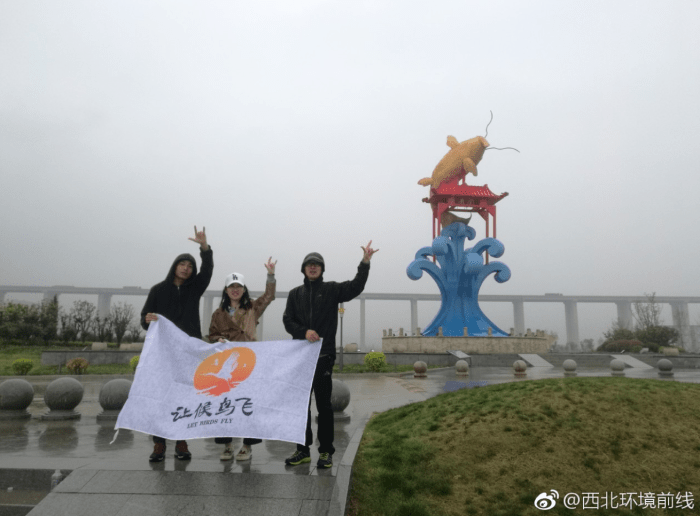
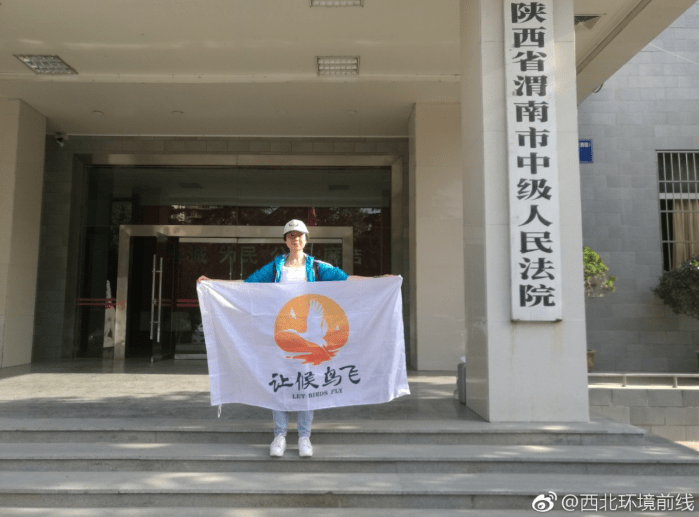
On May 3rd, Chinese NGO Let Birds Fly Foundation (Fb:@letbirdsfly) and its volunteers sued three companies for illegal construction and damaging the reserve at the Intermediate People’s Court in Weinan, Xi’an.

Despite having never dealt with this kind of case before, the Intermediate People’s Court paid a significant amount of attention to it. After a series of discussions, the Intermediate People’s Court placed the case on its docket on that very day. One official staff said:“ It has become the first environmental public interest litigation in Weinan.”Screen Shot 2018-05-19 at 4.45.54 PM.png

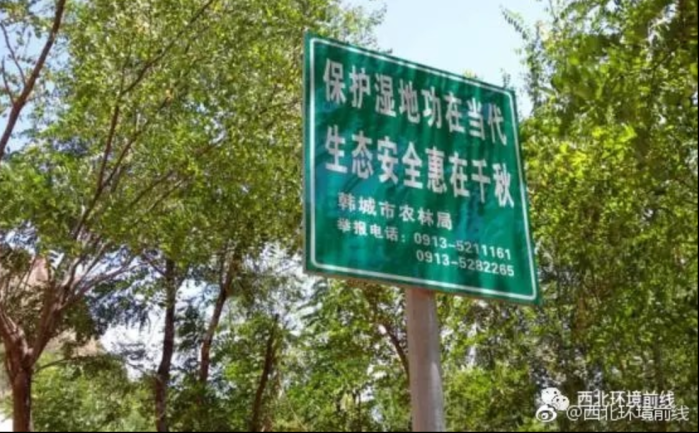
According to the NGO, the three accused companies have built two business projects without any legal permission. These projects cover a terrestrial area of 1700 hectares at Shanxi Yellow River Nature Reserve, China’s largest habitat for common cranes to overwinter. The reserve region in Hancheng is especially important, as hundreds of rare animals, including great bustards, black storks, whooper swans, tundra swans, and hooded cranes, etc., spend winter there.Screen Shot 2018-05-19 at 4.46.20 PM.png

These illegal projects were criticized and demanded to reform by the Chinese government’s Central Environmental Inspection Group. And it finally shut down after being exposed by the press in 2015.

However, those companies’ illegal buildings still haven’t been dismantled. Civil conservationists have also protested numerous times in vain. What’s even worse is that the area encompassing these construction sites has been marked off of the reserve territory in 2018. As a result, this battle of protecting the wild birds’ home is becoming more difficult.Screen Shot 2018-05-19 at 4.45.40 PM.png

Xiangbing Zeng, the prosecutor’s attorney, feels greatly pleased and relieved to know that the court has put the case on file. “A new era has dawned. The court system is full of positive energy for conservation. We need to legally activate this energy, and make concerted efforts to achieve the beautiful Chinese Dream! Open wide the gate of courts to forward public interest litigation!” Zeng said.

Info and photos from Northwest Environmental Frontier’s Weibo: https://m.weibo.cn/status/4235731934868862?sourceType=weixin&wm=9006_2001&featurecode=newtitle&from=groupmessage&isappinstalled=0

Translated by Victor Du, edited by Riley Peng @ Animal Dialogue
1,500 Stray Animals Rescued in 3 Years by Stray Animals Protection Center in Jingzhou

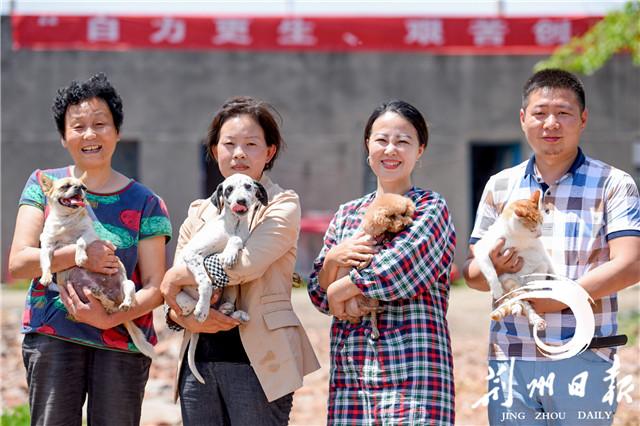
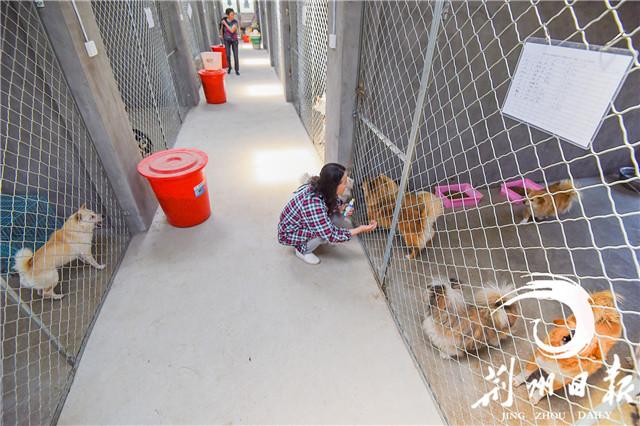
On the shores of the Long Lake in Jingzhou, the base of Stray Animals Protection Center is built in an inconspicuous enclosed area. Nearly 200 animals are sheltered here, either being cured or under recovery. Among them are around 160 dogs and 20 cats. According to Qin Li, the founder of this center, most of the animals here were run over by cars with broken bones. Others were abandoned after infected with diseases or bred in disorder.

While only 3 staff members officially manage daily affairs in the base, many citizens volunteer here, including white collars, old ladies, and elementary students.pic 2

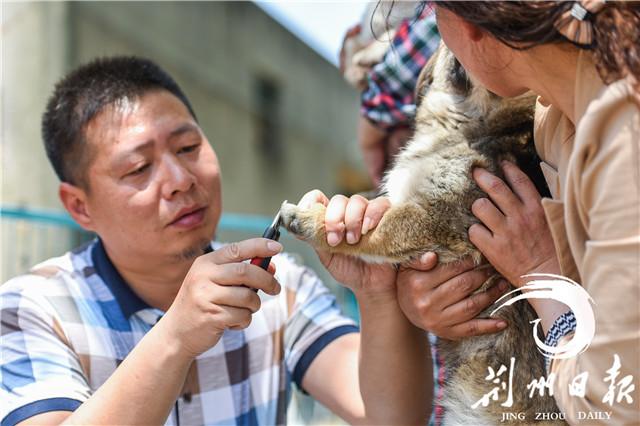
Babysitting these little patients is not a simple task for the volunteers. They have to do everything—cleaning and disinfecting the doghouse, vaccinating, sterilizing. feeding, etc.—except tasks that could only be completed by vets.

The fee for treatment and recovery is inevitably high. Donations from dog-lovers and volunteer help pay for the center’s daily expenditures. 71-year-old Fanglan Feng is one of the center’s funders. Every month she donates 1800 yuan out of her pension to help rescue stray animals. Now there have been over 100 funders like Feng.

Qin Li publicly publish the expenses for every rescued animal on online platforms such as Weibo and WeChat. The volunteers in her WeChat group help her search for stray animals that need to be rescued. They call Li “Mother Du,” a name inspired by her pet dog Dudu, who has acccompanied her for 16 years.pic 4

On a summer night in 2015, Li was taking a walk when she found a bleeding dog. She spent more than 1000 yuan to save the dog and took care of him for 3 months. This experience inspired her desire to help rescue stray animals. She then gathered many dog-lovers to establish a volunteer coalition, and raised money to build the center.

Last May, Li’s volunteer coalition rescued 800 pet cats who were previously stolen and sold illegally in June 2016. Most of these cats eventually found their new homes through the subsequent adoption activities.pic 3.jpg

Not long ago, Jingzhou Stray Animals Protection Center was authorized by the Ministry of Civil Affairs. It has become the second authorized stray animals protection organization in the whole province.

In 3 years, Qin Li and the volunteers in the center have rescued over 1500 animals. Li calls for the public to care for homeless dogs and cats and respect each small animal. Every single act of kindness helps advance a city’s culture.

Info and photos from hbtv: http://news.hbtv.com.cn/p/1318287.html

Translated by Victor Du, edited by Riley Peng @ Animal Dialogue
Chinese Wildlife Rescue Center Released 10 Wild Animals Back to the Preserve

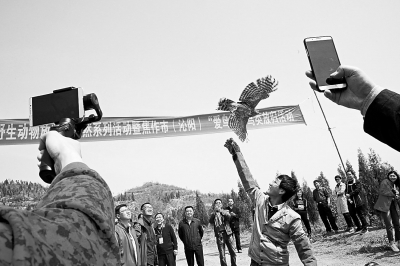
On April 17th, 10 wild animals, 7 of which are Chinese second-class national protected animals, all meeting the release standard, were sent back to nature in the Baisongling Preserve—15 miles away from Jiaozuo, Henan.

The staff of Henan Province Wildlife Rescue Center, in turn, opened the 10 cages carrying wild animals. Among these are an upland buzzard, a Eurasian eagle-owl, two goshawks, three common buzzards, and three ring-necked pheasants.

“These 10 wild animals have been rescued by us recently. Thanks to the Preserve staff’s meticulous care, they recovered so well and now meet the release standard,” said Dajun Zheng, the superintendent of the Rescue Office of Henan Province Wildlife Rescue Center.

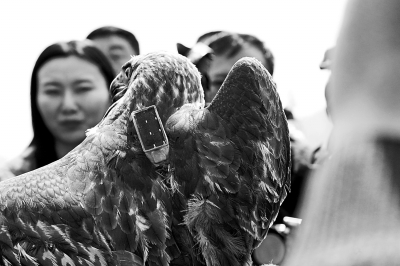
“In order to track these wild animals’ migration routes and movement rhythms, we placed GSP trackers on 7 of these animals. The devices help us ascertain their migration routes, stop points, and habitats in detail, all of which then become valuable data for studies on wildlife migration patterns,” Zheng explained.

2
GPS Trackers @Henan101


After the cage was open, some animals soared towards the sky, while others walked around cautiously as if they were trying to make sure they could still fly. Upon this exciting scene, a staff said: “Wildlife have feelings too. Although they feel reluctant to leave the Rescue Center after spending a long time with humans, they choose to fly away anyway. After all, nature is where they truly belong.”

To increase the release rate, the Preserve staff regularly conduct thorough examinations of the site, according to Director Li of the Henan Province Wildlife Rescue Center. They eventually selected the Qingyang Planting Base in Jiaozuo as the release site for its beautiful environment and dense vegetations. When executing the release, they also motivated the public to participate in wildlife protection actively.

This releasing activity was organized by Henan Province Wildlife Rescue Center and Jiaozuo Forestry Bureau. Jiazuo’s coal industry helped it thrive in the 20th century, but it became a resource-exhausted city. As a result, it has started to develop its ecotourism industry in recent years.

Info and photos from henan100.com: http://www.henan100.com/news/2018/774091.shtml

Translated by Victor Du, edited by Riley Peng @Animal Dialogue