Rosy starlings came to build their home in a construction area in Xinjiang, causing an advanced highway construction project to pause

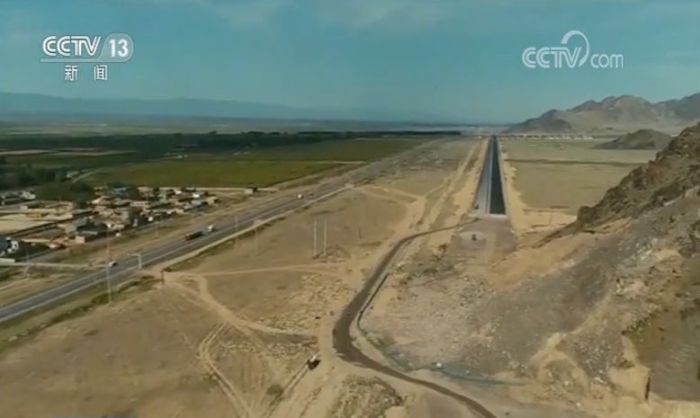
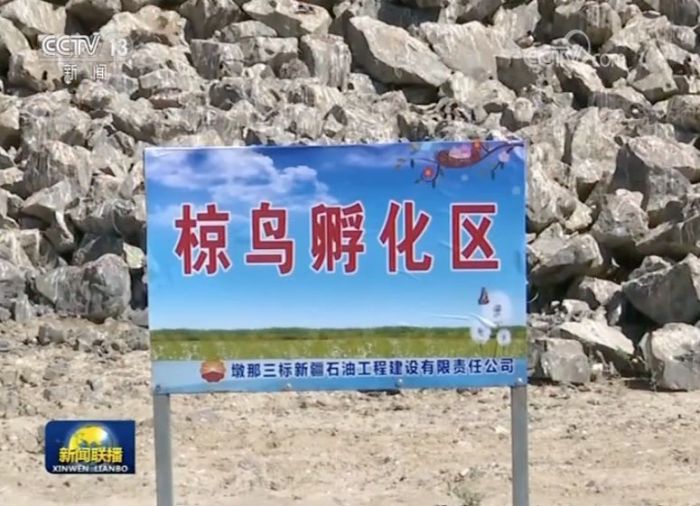
In Nilka, Xinjiang, nearly 74 million dollars had been invested in a highway construction project. But to the workers’ surprise, the gravels at the construction site had attracted a flock of rosy starlings to build their home here and breed the next generation. What’s more, because these birds had decided not to budge from their nests, the construction project had to halt because of them. What on earth had happened?

Rosy starlings caused a halt in the construction project

Xinjiang is the main breeding ground in China for rosy starlings. Every year from May to July, rosy starlings come here to breed their next generation. This year, these birds happened to choose to build their nests within the highway construction area in Ili, Xinjiang.
1

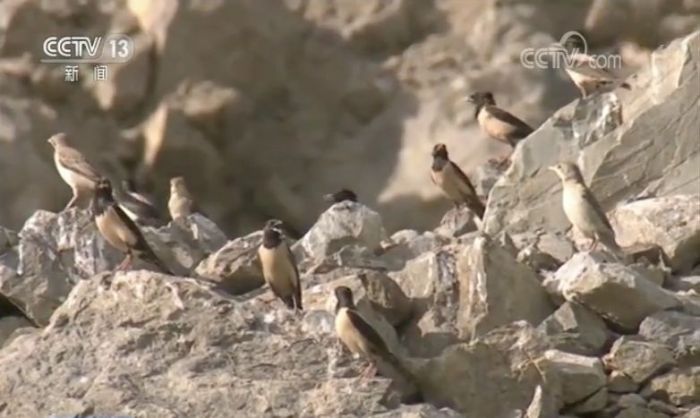
In the beginning, when the huge flock of rosy starlings had arrived at the construction site, the workers felt very confused. Later, they invited ornithologists to the site, who discovered what species these birds were and the fact that they were at their breeding season. Rosy starlings like to build their nests near gravels and small caves, but they won’t stay there forever. It only takes a month for the young starlings to grow up. After the conclusion of that month, they will migrate with their parents to the south. However, for this 74-million-dollar project, a month is definitely a long time.
2.jpg

Dongjun Jiang, the chief engineer of the project, said: “It is very hard to stop such an enormous project because many factors — such as labor, materials, equipment, and construction timeline — are involved. These friendly birds had been a headache for the construction team. However, rosy starlings hold important economic and research values. They are worth our protection. Therefore, the local government, as well as the construction team, decided to halt the project.”

Dongjun Jiang stated that the construction project will resume after the rosy starlings have moved away.

The local villagers had built homes for these starlings

The construction project had stopped, but the workers haven’t. They have been building protection webs for the birds. In fact, the local villagers in Ili, Xinjiang, have also been quite supportive.
4.jpg

The reporter visited a village and learned that more than 50 out of the 440 families in this village have rosy starlings breeding in their backyards. Erijan Ye have been building his new house, but a month ago, several rosy starlings had already built nests over the bricks that he originally intended to use for his building new house. To avoid disturbing them, Erjiang had to buy new bricks.

5.jpg

The local villager, Erjiang said: “Rosy starlings had built their nests on our bricks a month ago. Since we do not want to damage their eggs and nests, I bought new bricks for the house. This year, the villagers have been gathering stones and moving them to areas typically frequented by large numbers of locusts, so that more rosy starlings can be attracted to those areas and breed there.”

Rosy starlings are “locust killers”

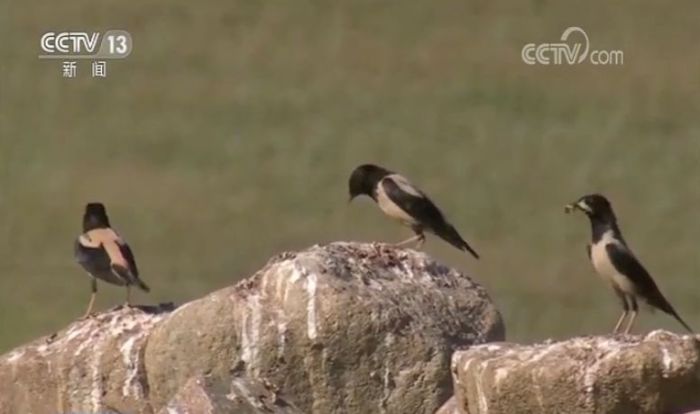
Rosy starlings like to eat locusts, and they possess a big stomach and good appetite. Each adult bird can consume 120 to180 locusts. In many parts of Xinjiang, farmers have been using large amounts of pesticides to kill locusts, but doing so had been highly costly, as well as threatening the environment and rosy starlings. After making various comparisons, biologists realized that rosy starlings can be a better biological pest control method. Indeed, this solution yielded much better results.540.gif
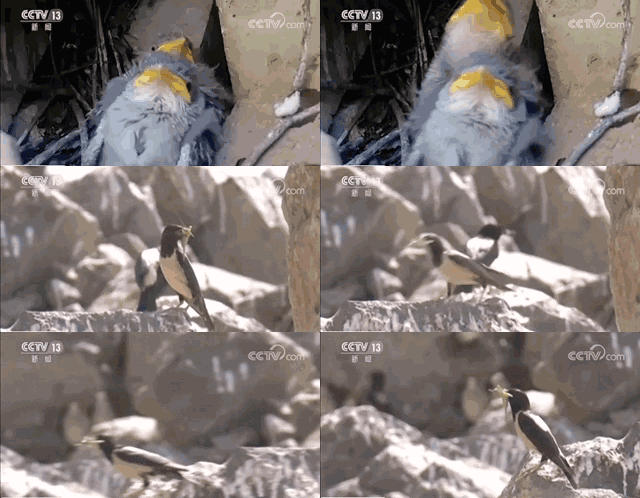
The photographer happened to take this picture of adult rosy starlings breeding chicks during an interview on the highway. The baby birds were waiting for their parents to feed them.

The reporter learned that, over the past ten years, 17 huge rosy starling nests were built over 140,000 acres of farmland in Nilka which were heavily infested with locusts. Thanks to these starlings, the locust population has been effectively controlled.
6.jpg

It is now the breeding season for rosy starlings. It will take a month for the young starlings to grow up. And after a month, the starling families will move to South Asia.

All information and photos come from The Paper and CCTV News: https://www.thepaper.cn/newsDetail_forward_2268845.

Translated by Lele, and edited by Riley Peng @ Animal Dialogue
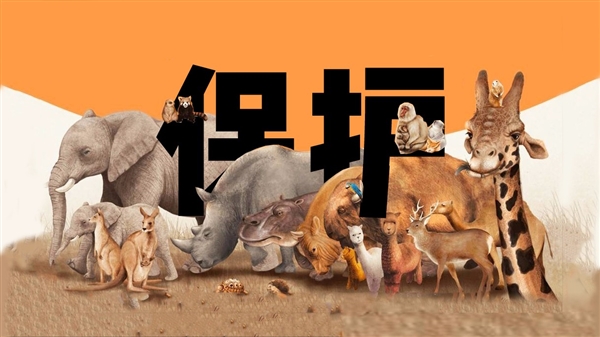
 

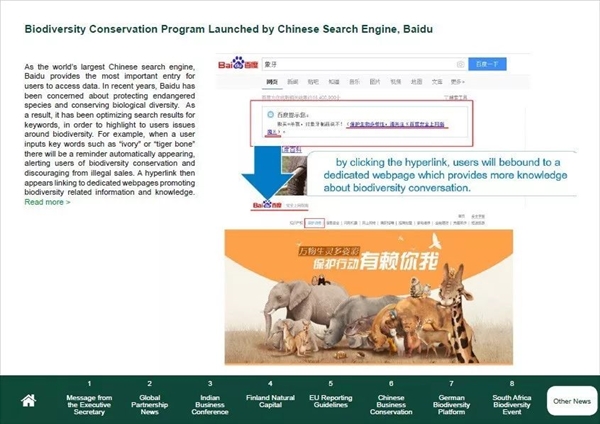
To protect wildlife, Baidu blocked 53 users and shut down 33 Post Bars

On March 7th, 2017, Baidu launched the “Baidu Biodiversity Protection Project” to cleanse the Baidu Post Bar, an online community bound tightly to Baidu’s search service. For a long time, many wildlife product traders had used Baidu Post Bar to post or exchange trade information without any restriction. This illegal trade hasn’t been terminated until this year.1

According to the latest data, up until now, Baidu has deleted 197,000 posts about the illegal wildlife product trade, shut down 33 Post Bars, and permanently banned the accounts of 53 users. Harmful information and thousands of pictures on Baidu’s other user platforms, such as Baidu Knows and Baidu Library, have also been blocked by Baidu.

All of these actions aim to protect endangered animals such as elephants, pangolins, bears, rhinoceros, and tigers.

On June 22nd, 2018, Baidu cooperated with the International Fund for Animal Welfare to launch the “DU AI All Life” ( which means “Baidu Loves All Life”) project. The two parties will utilize their respective advantages to protect biodiversity and explore the applications of internet technology in the area of wildlife crime prevention.2

This was the achievement of the second phase of Baidu’s biodiversity protection project. Over the past year, Baidu has joined hands with government authorities and NGOs to contribute to biodiversity protection.

At the International Biodiversity Day Memorial in March 2017, Baidu cooperated with China’s Ministry of Environmental Protection on the DUVA project. Baidu was the only internet company to attend this conference.

From September 25th to 27th, 2017, TRAFFIC, a world wildlife trade monitoring network, invited Baidu to attend Oxford University’s illegal wildlife trade conference. Baidu’s accomplishments in biodiversity protection were collected by the Secretariat of Convention on Biological Diversity and published as a brief report, which was sent to over 20 member countries.5

On November 22nd, 2017, Baidu, in conjunction with 8 other Chinese internet companies, including Tencent and Alibaba, launched the first Chinese internet company league aiming to attack the illegal online wildlife trade.4

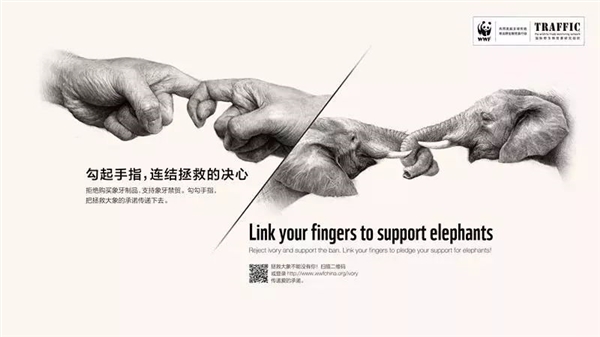
In January this year, Baidu cooperated with WWF to hold a “Make a Pinky Promise with Celebrities” event to spread the spirit of resisting ivory products.

Baidu has promised to continue trying its best to protect biodiversity with its advancements in internet technology.

All information and photos come from TechWeb: http://www.techweb.com.cn/internet/2018-06-28/2680030.shtml

Translated by Victor Du and edited by Riley Peng @ Animal Dialogue
The 2018 Africa-China Wildlife Conservation Conference Targets Pangolin Protection

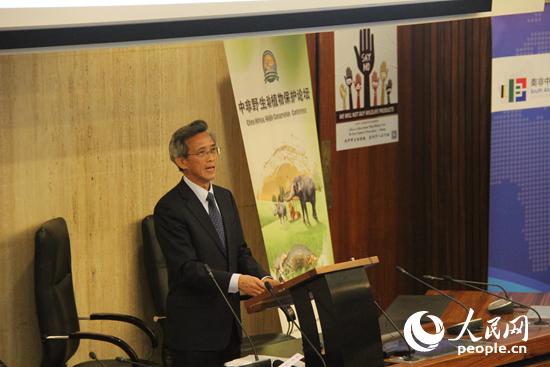
On June 7th, the 2018 Africa-China Wildlife Conservation Conference was held in University of the Witwatersrand, Johannesburg, South Africa. The theme of this conference was “Wildlife Conservation: China Will Become a Strong Force in This Battle.” H.E. Ambassador Songtian Lin of China was invited to the conference and delivered a speech.

More than 100 people participated, including South African government officials, Africa-China relations scholars, representatives of Chinese communities in Africa, wildlife conservation organizations from different counties, and media outlets.1.JPG

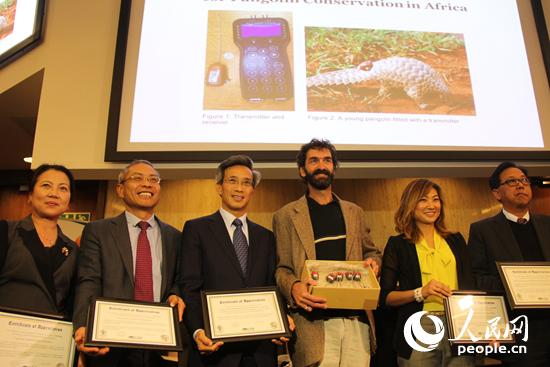
With the support of Chinese communities in Africa and Chinese enterprises, the conference donated GPS tracking devices to the African Pangolin Working Group (APWG), the most influential pangolin protection organization in Africa.

According to Ray Jansen, the chairman of APWG, the world’s pangolins are facing severe survival threats. The GPS will be used to track saved pangolin for scientific research and pangolin protection.

Professor Ebrahim Momoniat, the Headmaster of Science College of the University of the Witwatersrand, represented the university to welcome the participants. He noted that so many representatives from different industries have gathered for this conference to resolve the dilemma of wildlife conservation. What’s more important was for all of them to concur on feasible solutions to the problems faced by Africa-China wildlife conservationists.

H.E. Ambassador Lin of China mentioned the two-day celebrity event hosted by the Chinese Embassy in March, which collected 200,000 rands worth of donations for Kruger National Park. He was so delighted to see that Chinese civil groups and organizations have taken up the initiative to hold this conference three months later. This conference provides “a great opportunity to communicate China’s wildlife conservation policies and measures to the South African and African people.”

3.JPG
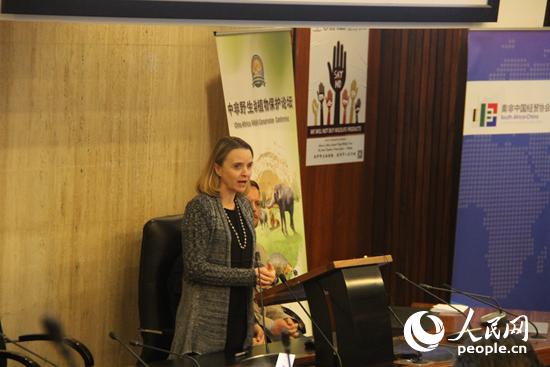
Ambassador Lin delivering his speech @people.cn

As Lin has said, the Chinese government has recognized the vital importance of wildlife protection in recent years. Since January 1st,2018, ivory trade has become illegal in China. Nowadays, fewer instances of wildlife poaching have been reported in China. As for illegal poaching by the Chinese ethnic minorities, the Chinese government will take a “zero-tolerance” attitude, and will cooperate closely with African countries to end these activities.

“This year marks the 20th anniversary of Chinese-South African diplomatic ties. We are willing to deepen mutually beneficial cooperation across the board. We can bring more benefits to the peoples of China and South Africa, and make new contributions to the cause of wildlife conservation,” said Lin.

According to Frances Craigie, the official of this country’s Department of Environmental Affairs, the Republic of South Africa is the biggest victim of illegal wildlife trades. To terminate illegal wildlife trading, the South African government has implemented numerous policies and measures. Meanwhile, the government has advised peoples to use natural resources properly and develop local economies, especially in rural area, to protect the nation’s unique biodiversity.

4.JPG
Craigie giving her speech @people.cn

Mrs. Yanqing He, the director of the Humane Society International (HSI)’s Chinese branch, perceived this conference as precious and commendable. “When it comes to wildlife protection in Africa, people frequently mention elephant or rhinoceros. But this conference is focusing on pangolin, a rarely noticed species,” she said.

The conference was initiated by China Biodiversity Conservation and Green Development Foundation (CBCGDF), Global Max Media Group, Nature Guardian Wildlife Conservation Centre, China House, and the University of the Witwatersrand’s Africa-China Reporting Project.

The conference had received several congratulation videos from famous Chinese singer Gong Linna Gong, clothing designer Mingyu Liang, photographer Liangzi, and Chinese conservationist Xinba.

To read the full remarks by H.E. Ambassador Lin Songtian of China to South Africa at the Africa-China Wildlife Conservation Conference, please click here: http://www.chinese-embassy.org.za/eng/sgxw/t1567675.htm

More references:

http://world.people.com.cn/n1/2018/0608/c1002-30044681.html

http://world.people.com.cn/n1/2018/0611/c1002-30051011.html

http://tv.people.com.cn/n1/2018/0608/c364580-30046627.

htmlhttp://www.cbcgdf.org/English/NewsShow/5011/4946.html

http://www.chinese-embassy.org.za/eng/sgxw/t1567675.htm

Translated by Victor Du and edited by Riley Peng @Animal Dialogue

New hope for recovering the common crane’s habitat territory

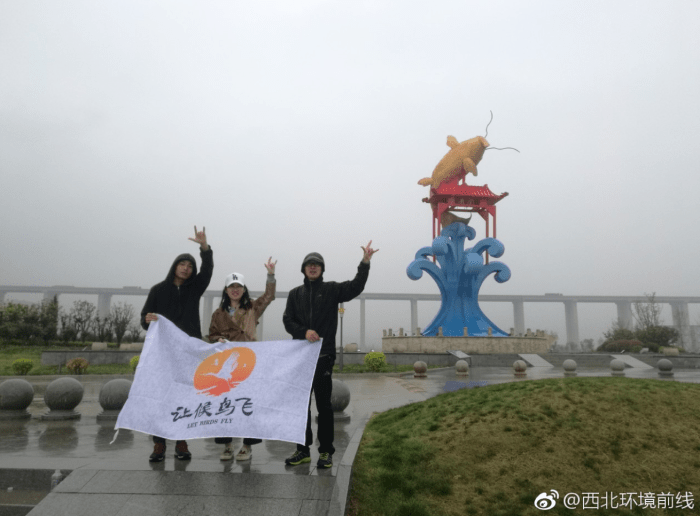
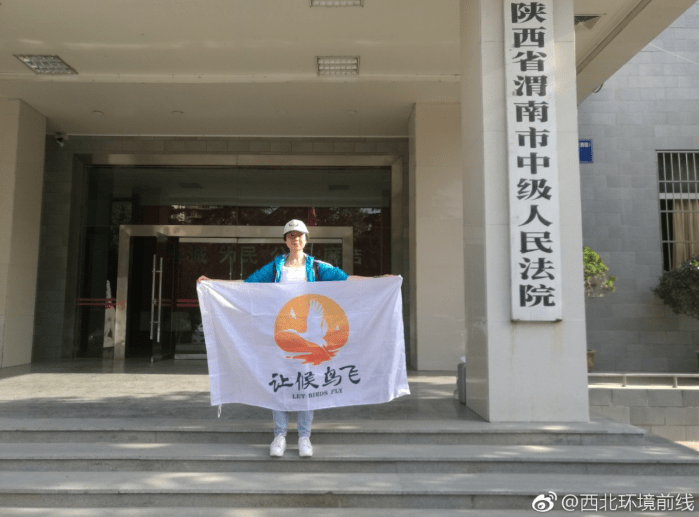
On May 3rd, Chinese NGO Let Birds Fly Foundation (Fb:@letbirdsfly) and its volunteers sued three companies for illegal construction and damaging the reserve at the Intermediate People’s Court in Weinan, Xi’an.

Despite having never dealt with this kind of case before, the Intermediate People’s Court paid a significant amount of attention to it. After a series of discussions, the Intermediate People’s Court placed the case on its docket on that very day. One official staff said:“ It has become the first environmental public interest litigation in Weinan.”Screen Shot 2018-05-19 at 4.45.54 PM.png

According to the NGO, the three accused companies have built two business projects without any legal permission. These projects cover a terrestrial area of 1700 hectares at Shanxi Yellow River Nature Reserve, China’s largest habitat for common cranes to overwinter. The reserve region in Hancheng is especially important, as hundreds of rare animals, including great bustards, black storks, whooper swans, tundra swans, and hooded cranes, etc., spend winter there.Screen Shot 2018-05-19 at 4.46.20 PM.png

These illegal projects were criticized and demanded to reform by the Chinese government’s Central Environmental Inspection Group. And it finally shut down after being exposed by the press in 2015.

However, those companies’ illegal buildings still haven’t been dismantled. Civil conservationists have also protested numerous times in vain. What’s even worse is that the area encompassing these construction sites has been marked off of the reserve territory in 2018. As a result, this battle of protecting the wild birds’ home is becoming more difficult.Screen Shot 2018-05-19 at 4.45.40 PM.png

Xiangbing Zeng, the prosecutor’s attorney, feels greatly pleased and relieved to know that the court has put the case on file. “A new era has dawned. The court system is full of positive energy for conservation. We need to legally activate this energy, and make concerted efforts to achieve the beautiful Chinese Dream! Open wide the gate of courts to forward public interest litigation!” Zeng said.

Info and photos from Northwest Environmental Frontier’s Weibo: https://m.weibo.cn/status/4235731934868862?sourceType=weixin&wm=9006_2001&featurecode=newtitle&from=groupmessage&isappinstalled=0

Translated by Victor Du, edited by Riley Peng @ Animal Dialogue
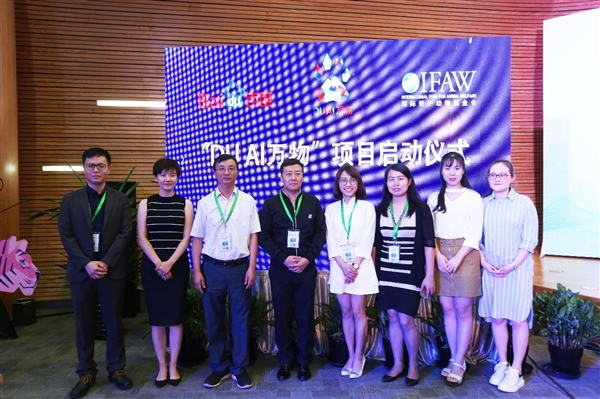
Tencent and WWF formed a partnership to use digital technology to protect marine wildlife

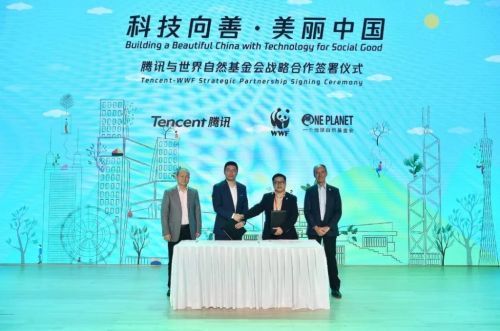
Chinese tech giant Tencent and World Wildlife Fund (WWF) announced that they have formed a partnership to collaborate on utilizing digital technology to promote ecological conservation.

Tencent and WWF will use the AR technology in three aspects: to rebuild the representative buildings and sculptures of the city, provide online education and training to enhance the professional skills of the national park’s eco-practitioners, and combat illegal wildlife trade to protect marine wildlife, raising the public’s awareness of protecting the ocean and endangered animals.

Both parties will execute a series of ecological conservation projects based on digital technology. In the early stage, these three directions will first focus on “cultivating public awareness of environmental protection, training eco-conservation practitioners, and combating illegal cyber wildlife trade.” Specifically, the following three projects will be launched: “digital landmarks, digital classrooms, and digital rescue”.

Tencent stated that its strong digital technology and culture, combined with WWF’s global experience and expert resources, will promote the in-depth application of digital technology in the field of eco-environmental conservation.

Info and photos from Sohu: http://www.sohu.com/a/228934501_117373

Translated by Sherry Yao, edited by Riley Peng @Animal Dialogue

Chinese Wildlife Rescue Center Released 10 Wild Animals Back to the Preserve

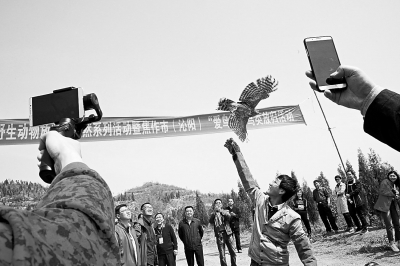
On April 17th, 10 wild animals, 7 of which are Chinese second-class national protected animals, all meeting the release standard, were sent back to nature in the Baisongling Preserve—15 miles away from Jiaozuo, Henan.

The staff of Henan Province Wildlife Rescue Center, in turn, opened the 10 cages carrying wild animals. Among these are an upland buzzard, a Eurasian eagle-owl, two goshawks, three common buzzards, and three ring-necked pheasants.

“These 10 wild animals have been rescued by us recently. Thanks to the Preserve staff’s meticulous care, they recovered so well and now meet the release standard,” said Dajun Zheng, the superintendent of the Rescue Office of Henan Province Wildlife Rescue Center.

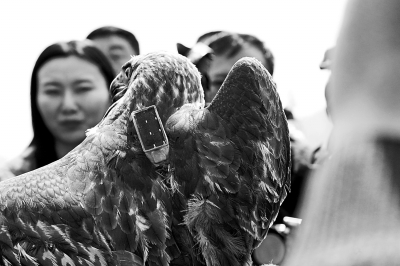
“In order to track these wild animals’ migration routes and movement rhythms, we placed GSP trackers on 7 of these animals. The devices help us ascertain their migration routes, stop points, and habitats in detail, all of which then become valuable data for studies on wildlife migration patterns,” Zheng explained.

2
GPS Trackers @Henan101


After the cage was open, some animals soared towards the sky, while others walked around cautiously as if they were trying to make sure they could still fly. Upon this exciting scene, a staff said: “Wildlife have feelings too. Although they feel reluctant to leave the Rescue Center after spending a long time with humans, they choose to fly away anyway. After all, nature is where they truly belong.”

To increase the release rate, the Preserve staff regularly conduct thorough examinations of the site, according to Director Li of the Henan Province Wildlife Rescue Center. They eventually selected the Qingyang Planting Base in Jiaozuo as the release site for its beautiful environment and dense vegetations. When executing the release, they also motivated the public to participate in wildlife protection actively.

This releasing activity was organized by Henan Province Wildlife Rescue Center and Jiaozuo Forestry Bureau. Jiazuo’s coal industry helped it thrive in the 20th century, but it became a resource-exhausted city. As a result, it has started to develop its ecotourism industry in recent years.

Info and photos from henan100.com: http://www.henan100.com/news/2018/774091.shtml

Translated by Victor Du, edited by Riley Peng @Animal Dialogue

Can VR increase people’s awareness of animal protection?

A while ago, the death of the last male white rhinoceros “Sudan” shook Internet users. Sudan’s death also means that white rhinoceros— the beautiful species— has entered the countdown to extinction.

With the increase of human activities since the 20th century, animals’ living space has been continuously compressed, pushing many species onto the verge of extinction. Globally, more and more national organizations and private organizations have tried their best to utilize various cutting-edge technologies, including virtual reality, to enhance people’s awareness of animal protection.

The Virtual Reality charity movie “Panda Love: The Secret Lives of Pandas” will be released soon. The film was jointly created by Conservation International, Chengdu Giant Panda Breeding Research Base, and the famous photographer Ami Vitale. The famous actor Wei Tang served as the Chinese commentator.Giant Pandas

The film is another public welfare documentary released by Conservation International after the traditional public welfare documentary “Below the Canopy.” It aims to make the audience vividly experience the living conditions of giant pandas through the strong sense of immersion brought about by VR videos. At the same time, it also demonstrates China’s achievements in giant panda protection.

As VR is a relatively novel approach, animal protection organizations and directors are still exploring the methods and techniques of VR documentary filming. Can VR improve the shortcomings of traditional documentaries? What are the problems still faced by VR documentaries? In some of the more representative cases in the past, we can already see some of the answers.

Compared with traditional documentaries, VR documentaries can break through the limitations of the picture frame, allowing the audience to be closer to nature, creating a feeling of intimate contact with animals.

When viewing a traditional documentary, viewers and the world depicted in the film are completely separated by a screen. Thus, they are merely viewing the world depicted in the film as outsiders. When watching VR documentaries, on the other hand, viewers are isolated from the outside world. Fully immersed in the environment inside the documentary, they now perceive the film world as insiders.

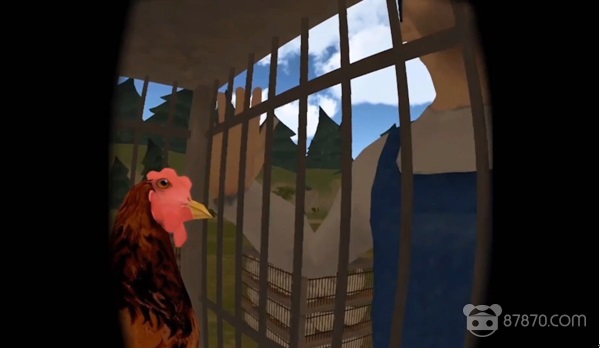
For example, when we see the scene of animal slaughter in a traditional video, although the audience generally feels some discomfort, they are still experiencing the event from a third-person perspective. In contrast, in the VR documentary “I, Chicken” produced by PETA, the viewer see the entire slaughter process from a first-person perspective and experience the event just as a chicken would.chicken2.jpg
At the beginning of the documentary, the viewer (a chicken) leisurely roam on pasture. Soon, however, the viewer is unfortunately selected and trapped inside a small cage to be sent to a slaughterhouse.

When the cage is placed on the conveyor belt to the slaughter machine, viewers will feel the rapid heartbeats of and fear experienced by the chicken.

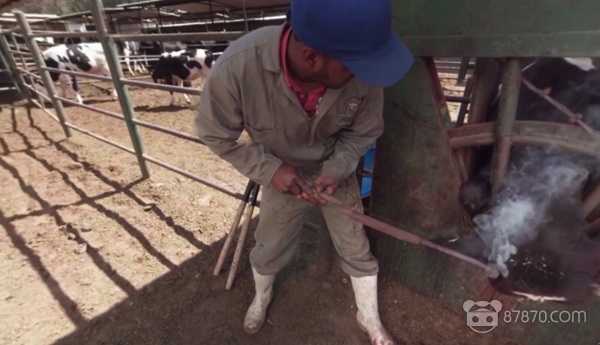
This is the significance of VR technology for filming animal protection-related documentaries — viewers are immersed in the animal’s living environment, and witness animal cruelty from an animal’s perspective. This is what VR’s strong sense of immersion brings to the audience. Sam Simon, the producer of the documentary and of The Simpsons, said in an interview that he hopes to awaken humankind’s empathy for animals through VR.Chicken 3.jpg

Despite these advantages, VR faces many challenges. To begin with, the production and promotion costs of VR documentaries are very high, for the production equipment is expensive, and very few technicians specialize in VR technology. Some VR films cost as high as millions of dollars to produce. Additionally, VR gives viewers too much room for interpretation, which makes it hard for the directors to effectively deliver their message.

All in all, nonetheless, animal protection-focused VR documentaries provide the audience a more realistic experience and can effectively promote animal protection. We look forward to seeing more people being moved and impacted by VR documentaries to pay more attention to animal protection.

Information and photos from 87870.com: http://www.87870.com/news/1804/31688.html

Translated by Sherry Yao, edited by Riley @ Animal Dialogue

A Chinese woman donated $1.5 billion to save endangered animals

In late January, The Ellen Show published a video on its Instagram about a Chinese woman who has donated $1.5 billion, one-third of her property, to save endangered animals. This is the largest personal donation to a wildlife conservation cause in history!

Photo 1

Who did such a heroic act?

It’s no other than famous Chinese entrepreneur Qiaonv He, founder and chairman of the Beijing Orient Landscape.

A Rock Journey to Success

In January 1966, Qiaonv He was born into a peasant family in rural Zhejiang. Out of the five children in her family, she was the second eldest, and one of the most hardworking.

He as a young girl
He as a young girl; Photo Credit: penetratingview

In 1992, she successfully founded the Beijing Orient Landscape and made her first million through simply selling bonsai. Just as her business was expanding and becoming more prosperous, however, a manager took away all the money from her company, and she was also cheated in her subsequent investment in a Henan mine.

Pursued by creditors and abandoned by employees, she felt like she couldn’t carry on anymore.

However, she didn’t give up and survived.

She restarted everything from scratch with her own hands, and slowly attracted more customers for her bonsai business.

In 2000, just as she was about to relaunch her company, another storm hit her.

Under the pressure of overexpansion and stock market crash, problems began to emerge in the financial chain, and leaders of the company left again with their money. Suddenly, her company was near bankruptcy.

This strong woman stood up again even after this.

In 2006, she and her team finished the landscape decoration for a hotel in Suzhou, which stunned the whole industry and helped her reputation reach an unprecedented height.

After this turning point, she began to undertake orders from most big cities and became an established leader in the landscaping industry.

In November 2009, Beijing Orient Landscape finally became a listed company, and the He couple is now worth more than 10 billion.

Building the World Through Philanthropy

As her landscaping business became more and more prosperous, she also began to worry about environmental pollution.

Inspired by the Rockefeller Foundation, she started a series of philanthropy projects beginning in 2014, donating billions of dollars to environmental protection programs. One of the most earth-shaking moves she made was donating 1.5 billion dollars for wildlife conservation in October 2017.

Donate 1.5 b

In addition, she donated 20 million dollars for wild feline conservation organizations Panthera, WildCRU and Oxford University’s conservation research unit to start a 10-year program focusing on saving endangered species, including snow leopards, tigers, jaguars, lions, etc.

Born in China

Her donations can make a huge difference in the fate of these endangered wild animals.

Please share this news with those around you! A woman like her who’s humbly and silently changing the world deserves to be recognized!

Info and photos obtained from penetratingview.
https://mp.weixin.qq.com/s/jZlH-442KiC8AXQvF3n_EA

Translated by Riley Peng @Animal Dialogue
Injured snow leopard found and rescued

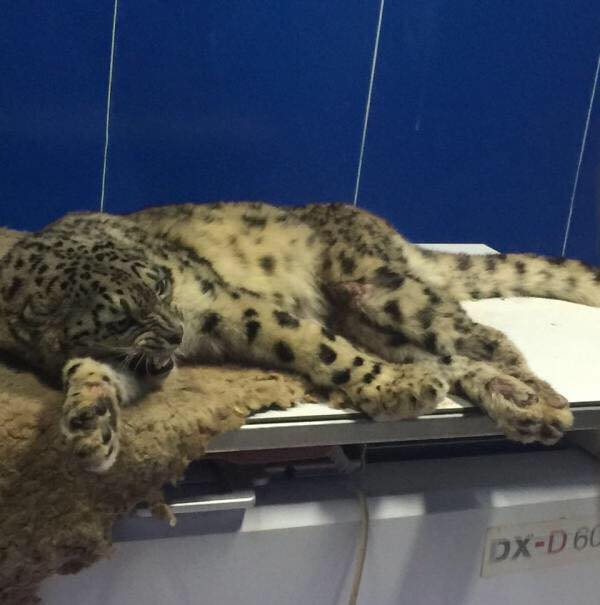
In mid-October, Wang Pu and Duode Jiangba, two shepherds in Yushu, Qinghai’s Tibetan Autonomous Region, spotted a snow leopard on the opposite side of the river.

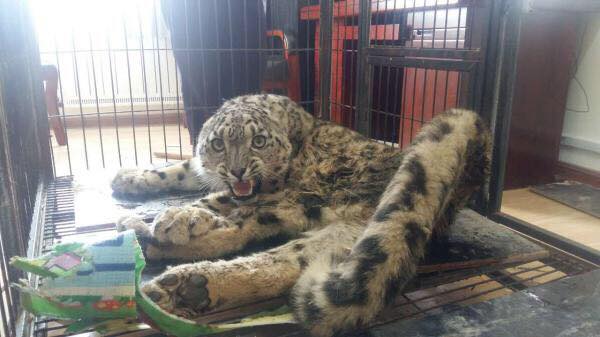
The hindlimbs of this snow leopard were diagnosed as paralyzed. After 24 consecutive days of rescue, it finally managed to stand up again on the morning of November 9th.

The hearts of concerned Chinese netizens throbbed with excitement as they witnessed its gradual recovery, anticipating the day when it can freely run and catch prey again.

Snow leopard2
The injured snow leopard being x-rayed at Nangqian People’s Hospital on October 23rd (Photo Credit: Nangqian Public Security Bureau for Forestry)

Snow leopards—the endangered “kings of snow mountains”

Snow leopards, or “kings of snow mountains,” usually have a grey-whitish exterior, speckled with black rings and black spots. They are often active in regions with altitudes above 3000 meters. They are light, adroit and can be suitably called the “ghosts” traversing cold and high regions.

Only 4500-7500 snow leopards remain alive around the globe, and approximately 2000-2500 of these reside in China, where it became a species under first-class state protection.

Because snow leopards face the threat of extinction, losing even one individual leopard can considerably impact the preservation of the species.

There is hope for this injured snow leopard

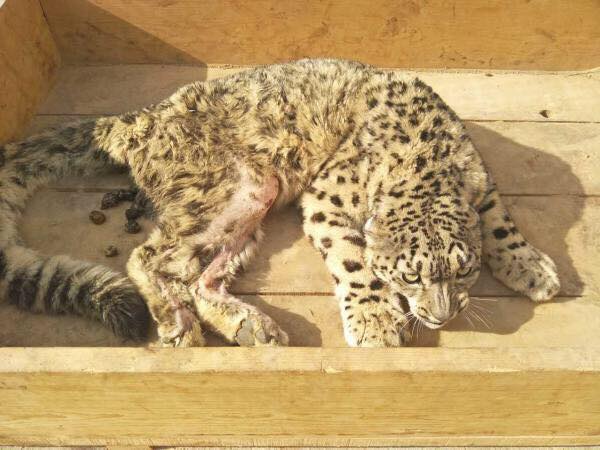
When first rescued by volunteers, this rescued leopard could neither walk with its hind leg nor eat or drink anything, which caused it to become very weak. Thankfully, after the strenuous efforts of a medical team—consisting of Beijing Forestry University’s Changxi Xiao, Beijing Zhongnonog Paide Veterinary Hospital’s director Wan Yu, and his assistant—the injured leopard gradually began to regain its vigor.

Snow leopard3
The injured snow leopard sun-bathing in a nesting box (Photo Credit: Xining Wildlife Park)

Now, not only can it stand up and walk, its body weight has also increased from 17.5 kg to 21 kg. Moreover, its wild nature starts to gradually return.

One of the rescuers hopes that one day Xiangnan County can be included within the national protected areas and become a national park, which will make the protection of wild animals much easier.

Xinzhang Qi, another rescuer, wishes to acquire sufficient funds to establish a proper animal hospital with more professional veterinarians. Unfortunately, Xiangnan County currently lacks adequate medical resources for animals.

Just a week ago on November 26th, another injured snow leopard was found in Yushu and sent to Xining for treatment. Another war of rescue has begun.

Written by Riley Peng.

Info and photos obtained from The Paper.

Click here to read the original article from The Paper in Chinese