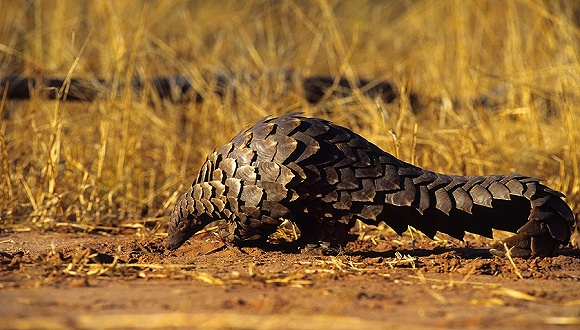
Chinese NGO Suggests An Upgrade of the Protection Status of Pangolin to Class I

The pangolin is a small ant-eating mammal found in Asia. Its skin is covered completely with keratin scales, which are in huge demand in China.
Photo Credit: Visual China Group

“It’s an important time for us to strengthen the protection for pangolin,” China Biodiversity Conservation and Green Development Foundation (CBCGDF) claimed in its proposal suggesting a conference for the Chinese annual meeting of Parliament. It suggested raising pangolin’s protection status to Class I and abolishing medicinal uses of pangolin scales.

According to the suggestion, pangolin, though listed as a Class II protected animal in China, is still considered the “hottest” mammal in the global illegal trade. Such popularity is due to the great market demand for pangolin’s nutritional and medicinal values, which generate a huge economic benefit.

In the past decade, at least 1 million pangolins were subjected to poaching and illegal trade. Experts predicted that the pangolin species will become extinct worldwide within 5 to 10 years if we did nothing to protect them.

China is one of the biggest destination countries for the illegal pangolin trade. According to a report by TRAFFIC in 2016 (with incomplete data from 2007 to August 2016), Chinese law enforcement had handled 209 illegal trading cases involving pangolin, which meant nearly 90,000 pangolins had been killed and smuggled in illegally.

The horrible number of illegal trades comes from the huge market demand for and profitability of pangolins. Even some local government officials are among the consumers of pangolins. In 2015, a Chinese local official ate pangolin meat in a private feast, which was exposed to the public 2 years later and caused great outrage on the Internet.

Alongside the nutritional value, the healing properties of pangolin scales are also what people are after. However, since 2012, there is plenty of evidence in studies of modern Chinese medicine showing that pangolin scales are mainly made of keratin, which renders their medicinal value highly questionable.

All information comes from www.jiemian.com

Translated by Hengyu Du

Edited by Andrea Jia and Riley Peng @ Animal Dialogue
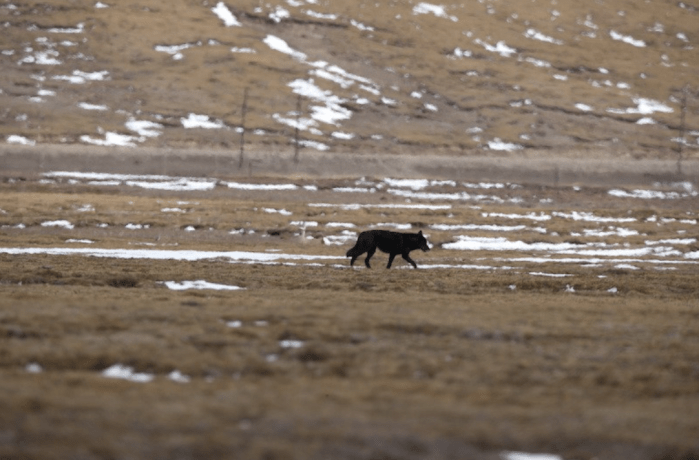
A rare black wolf was confirmed to exist in China for the first time

Recently, World Wildlife Fund (WWF) photographed a very rare female black wolf in Sanjiangyuan National Parkduring a water bird survey conducted with in the Yellow River Source Area. This is the first time that this species has been recorded in this area, confirming the existence of the black wolf in the wild in China.

The wolf had pure blackbodyand white edges on the lips, which was drastically different from the deep yellow and grey fur of the common grey wolf. Li, a survey member who photographed the black wolf, recalled that the black wolf was found on the Gobi Desert, where the surveyteamtracked the black wolf for more than 30 minutes. During this period, the black wolf attempted to hunt Tibetan gazelle and pika, and she eventually went farther into a dry river bed.

The black fur of the wolf is coded by a recessive gene, which is more common in wolves in North America, but very unusual in Asia. Scientists and front-line workers have occasionally heard accounts ofblack wolves from herdsmen, butthere is almost norecorded image data. Hence, the black wolf image taken this time is incredibly precious.

@Baoyu Wei from WWF China

Dr. John Mackinnon, a world-renowned biodiversity conservation scientist, confirmed that this was a black wolf after reviewing the images taken by the investigation team. According to Dr. Mackinnon, since the Sanjianyuan area is open and often covered by snow, wolves with the dominant trait of light-colored fur have better chances at survival, and the percentage of the recessive black-fur gene is very low within the wolf population. For a wolf to have black fur, both parents need to possess the recessive black-fur gene, which is an event of extremely low probability. Therefore, the rare occurrence of a black wolf may suggest the population in Sanjiangyuan is in very good shape in terms of reproduction. 

Dr. Jie Xie, an associate researcher at the Institute of Zoology of the Chinese Academy of Sciences, also believes that this discovery is of great significance and substantial value to the study of wolves in China. She hopes this information can lead more scholars to conduct in-depth research on Chinese wolves, and she also hopes it will help increase the strength of protection from the public and relevant institutions.

All information and photos come from WWF China

Translated by Jiaxuan Han

Edited by Andrea Jia and Riley Peng @ Animal Dialogue

Striving to be animal welfare ambassadors – Chinese primary school asks the world to protect animals

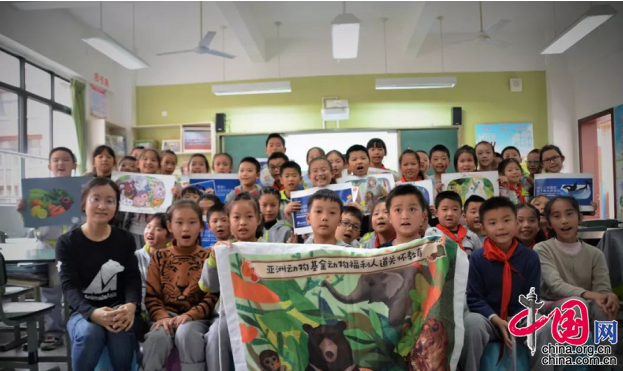
Chengdu Jinyang Primary School invited Xi Li, an educator from the Animals Asia Foundation, to give an innovative and meaningful lesson to third-graders on animal welfare and humane care education.

According to Li, the five major areas of animal welfare (nutrition, health, environment, behavior, and emotional states) are the scientific standards for judging whether animals are happy. “Firstly, different animals have unique nutritional needs, but they all require a balanced nutrition like humans do. The canines of lions, tigers, and bears are often removed or cut off to reduce injury and mortality in trainers during various performances. Such procedures can cause a variety of dental diseases, affecting the animals’ food intake, which in turn may cause other illnesses. Organizations should provide animals with an environment that is suitable for their nature, instead of harming them deliberately for the entertainment of humans. We should let animals express their natural behaviors freely, as each individual has different behavioral needs.” Li said that a large number of wild animals are still being hunted, rare animals are sold as commodities, pets are abandoned or abused, and animals are required to please tourists in circuses throughout their lives.

The students of Jinyang Primary School make the following requests to students and parents around the world:

  1. Do not watch animal performances;
  2. Do not consume wild animals;
  3. Do not take photos or interact with wild animals within a short distance,
  4. Do not keep wild animals as pets;
  5. Do not ride elephants;
  6. Do not feed wild animals.

Let us all start protecting animals and become animal-welfare ambassadors.

All information comes from china.com

Translated by Sherry Yao

Edited by Andrea Jia and Riley Peng @ Animal Dialogue
China legalizes rhino horns and tiger bones for medicinal use after 25-year ban

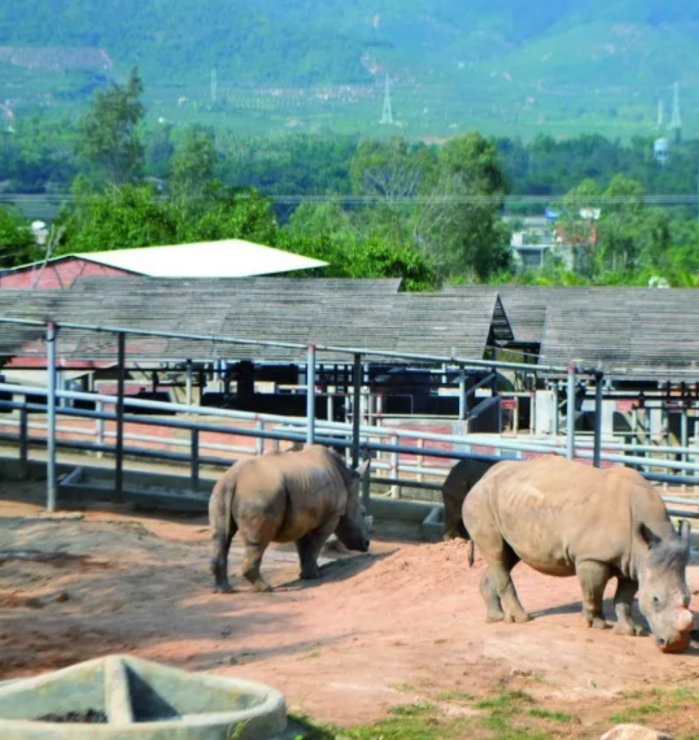
On October 29, 2018, The China State Council issued a notice on the strict control of the operation and utilization of rhinoceros and tigers and their products, and simultaneously abolished the former rhino horn and tiger bone trade ban issued in 1993.

The new notice allows the sale, purchase, use, import, and export of rhinoceros and tigers and their products under certain conditions prescribed by law, whereas in the 1993 notice, the above acts were banned entirely.

The issue in focus is the authorization for obtaining products for medicinal use from artificially bred or naturally dead rhinoceros and tigers. Many worry the new regulation may be abused.

Screen Shot 2018-11-13 at 12.56.16 AM.png
@WildAid

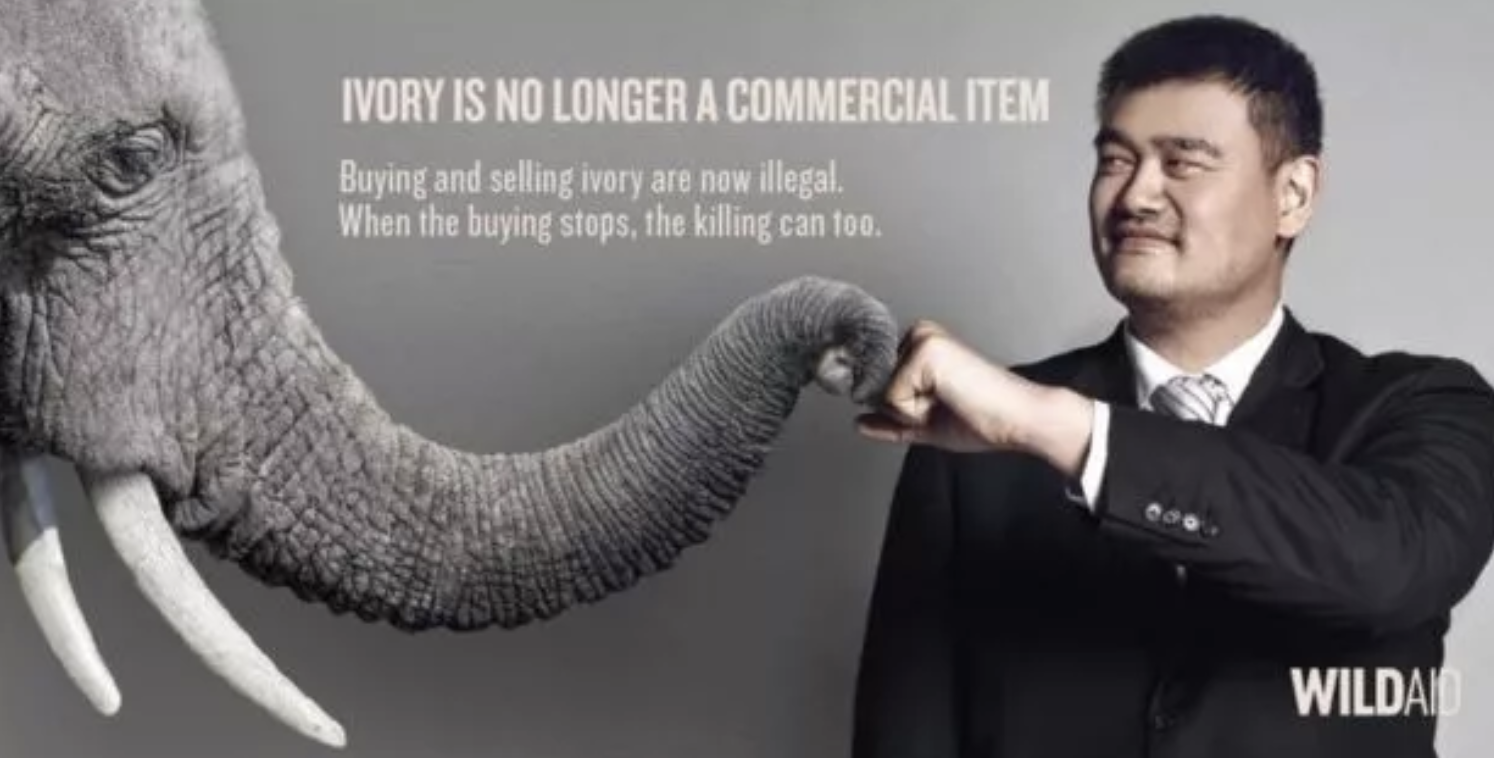
Environmental protection organizations are stunned by the re-opening of the rhinoceros and tiger products market after 25 years of prohibition. While we mourn the loss of the trade ban, let us also examine the example of China’s domestic ivory trade. Since 1981, the Chinese ivory market has opened and closed several times until the latest trade ban in December 2017. Moreover, the period of rampant poaching and rising illegal trade coincided with China’s second opening of the domestic ivory market. TRAFFIC, the wildlife trade monitoring network, stated in its reports that the existence of a legal ivory market leaves some space for the illegal market, raising the demand for ivory and the number of poached African elephants.

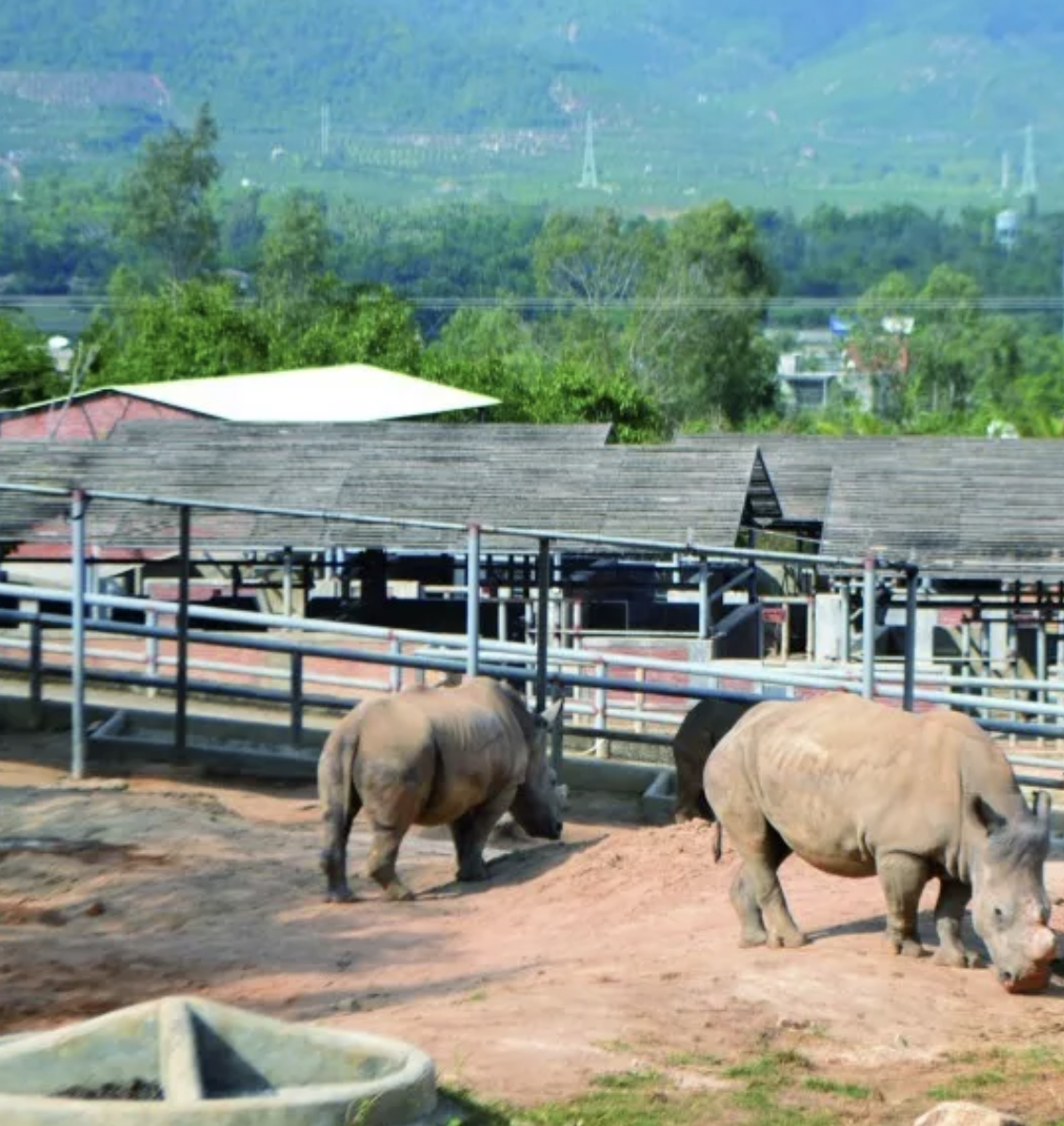
With the painful lessons of ivory, we must also pay enough attention to the rhinoceros and tiger market opening, because this may once again lead to an increase in incidences of illegal poaching. At present, the number of wild tigers in the world is only over 3,900, and the number of wild rhinoceros is around 30,000, so protection work is needed urgently.

Screen Shot 2018-11-13 at 12.56.40 AM
@Bandao

Animal Dialogue believes that only by strengthening supervision and making standard requirements for various industries can we prevent the influx of unlawful rhinoceros and tiger products. We propose some suggestions for relevant departments and enterprises listed below:

  1. The government should strengthen the enforcement of the ban by departments such as the customs, public security, and internet supervision.
  2. The authorities ought to release a list of hospitals and physicians who are permitted to utilize rhinoceros and tiger bones in medicine and create clear product labels to inform the public better.
  3. The administrative agencies should establish records of an inventory of products and carry out statistical work on the number of rhinoceros and tigers in zoos, farms, scientific research bases, and so on. They should also audit the inventory and quantity regularly.
  4. Internet businesses should improve the management of websites and e-commerce platforms, delete illegal information about rhinoceros and tiger products from the platform promptly, and actively cooperate with authorities to investigate suspected crimes.
  5. We urge the e-commerce industry to train delivery practitioners to identify rhinoceros horns and tiger bones so they may refuse to deliver suspected rhinoceros and tiger products.
  6. In the process of artificial breeding of rhinoceros and tigers, the farming industry should ensure both the physical and mental welfare of these animals.

Wild animals always belong in nature, and we and all those who love wild animals will continue to pay attention to the protection of wild rhinoceros and tigers as well as illegal market trade.

Update:

On November 12th, China announced it is postponing the lifting of the 1993 ban on rhino horns and tiger bones, after a massive wave of criticism from international conservation groups. The relevant plans have been called off, and the old ban is still in place. China’s stance on wildlife conservation remains unchanged. It will continue to enforce the “three strict bans”: “strictly ban the import and export of rhinos, tigers and their byproducts; strictly ban the sale, purchase, transport, carrying, and mailing of rhinos, tigers, and their byproducts; and strictly ban the use of rhino horns and tiger bones in medicine,” said State Council Executive Deputy Secretary-General Ding Xuedong.

Translated by Andrea Jia

Edited by Riley Peng @ Animal Dialogue
Parental behaviors of Chinese mountain cats were recorded in the Sanjiangyuan area

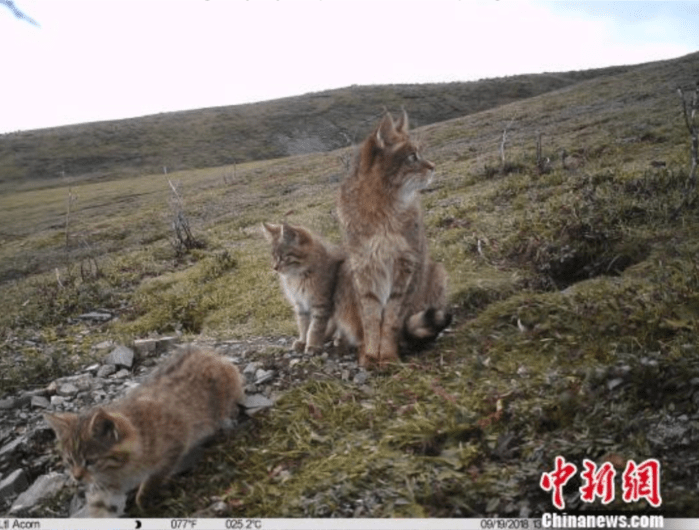
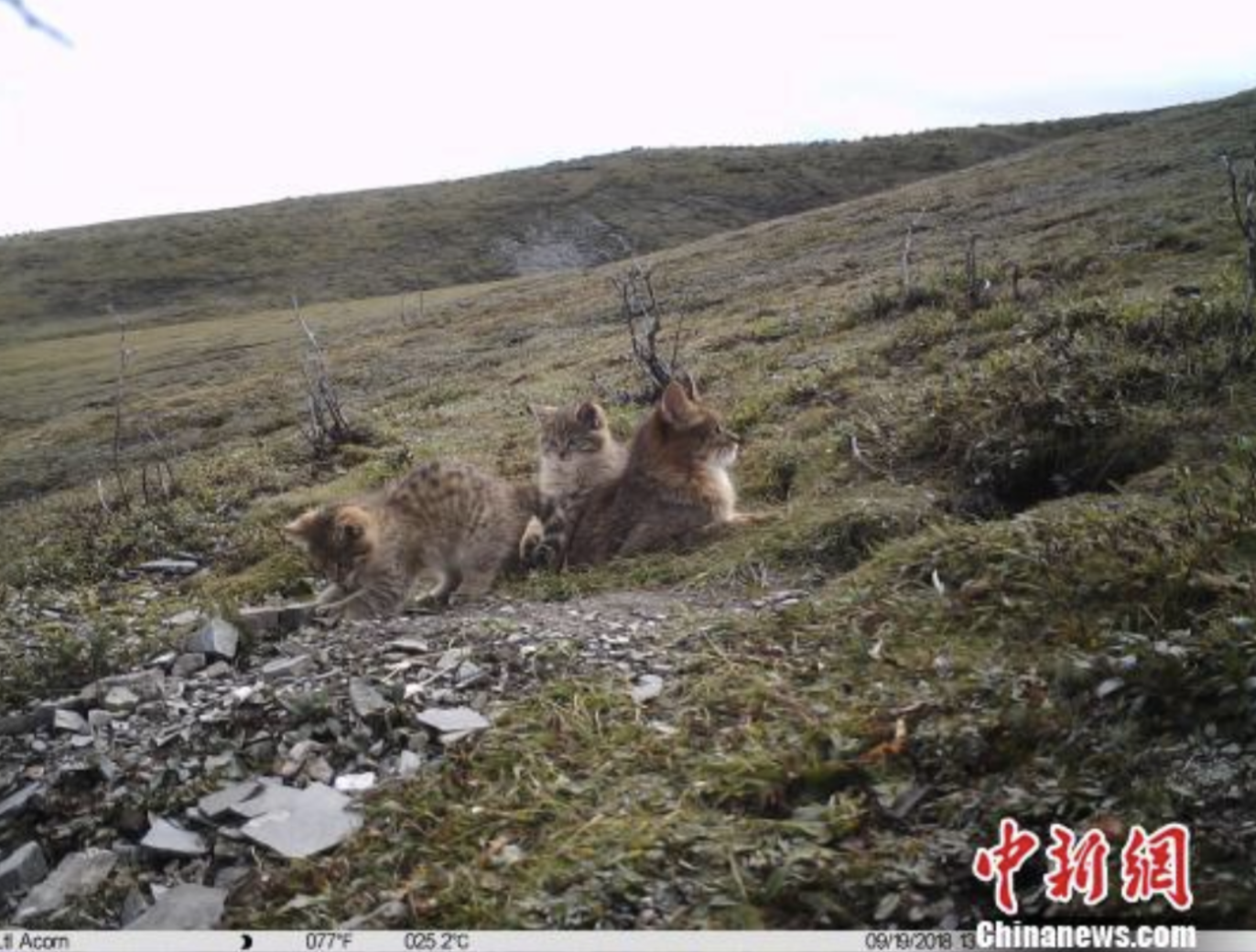
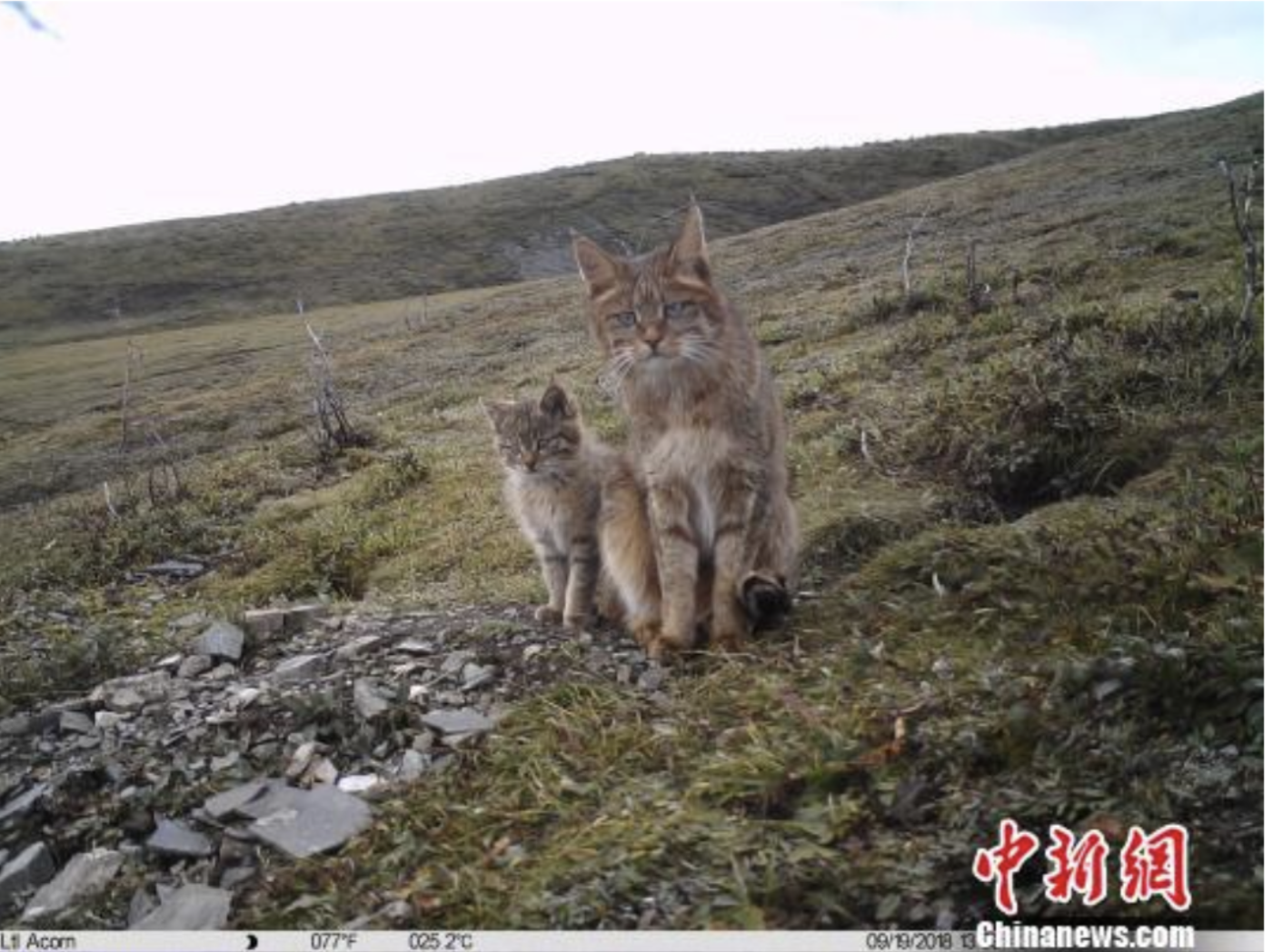
For the first time, parental behaviors of the Chinese mountain cat were recorded in the Sanjiangyuan area.

Recently, the childcare activities of the endemic Chinese mountain cat, Felis bieti, were recorded for the first time in a site near Tongtian River, Chengduo County, Yushu Tibetan Autonomous Prefecture, Qinghai Province.

The Chinese mountain cat is the national second-class protected animal in China. It is also one of only two unique carnivores found solely in China, the other one being the giant panda. At present, the Chinese Mountain Cat is seen only in Sichuan, Qinghai, Gansu, and other regions. Due to the species’ elusive nature and limited range, records of their appearance have been minimal for many years. It was only 11 years ago in 2007 that the first photo of a Chinese mountain cat was captured in the wild. It is considered one of the most mysterious felids in the world.

Screen Shot 2018-10-30 at 2.49.11 AM.png

“From September 20, 2018, one of the infrared cameras deployed in the area of Chengduo County had been recording the breeding nest of a Chinese mountain cat, and it continuously captured the behavior of a Chinese mountain cat mother and two kittens.” Zhao Xiang, the program director of the ShanShui Conservation Center, said. “This survey recorded the activity of a Chinese mountain cat family. The two kittens were 2 to 3 months old, and their mother trained them to hunt preys and perform other skills everyday. Also, the footage was complete.”

The Chinese Mountain Cat is one of the top carnivores in the grassland. They mainly feed on rodents such as pikas and birds. The survey indicated that Chinese mountain cats prey on two plateau pikas every day. Therefore, protecting Chinese Mountain Cats is also very important for maintaining the integrity of the grassland ecosystem.

Screen Shot 2018-10-30 at 2.48.59 AM

“Because the Chinese mountain cat is only found in China, we need to play a more important role in its research and protection,” said Dr. Xiao Lingyun, a researcher at Peking University Nature Conservation and Social Development. He told reporters that currently, the academic community knows very little about their behavior, population status, and other information.

In the future, ShanShui Nature Conservation Center will further cooperate with county officials to conduct long-term evaluation surveys in the surrounding areas to determine the distribution of Chinese mountain cats in the region and threats to the population to implement targeted protection work.

All information and photos come from The China News: http://zdx.forestry.gov.cn/bhxh/640/20181015/000224143262767.html

Translator: Sherry Yao

First edits: Andrea Jia

Final edits: Riley Peng

@Animal Dialogue

The first public interest litigation on endangered animal conservation was held in Kunming, Yunnan

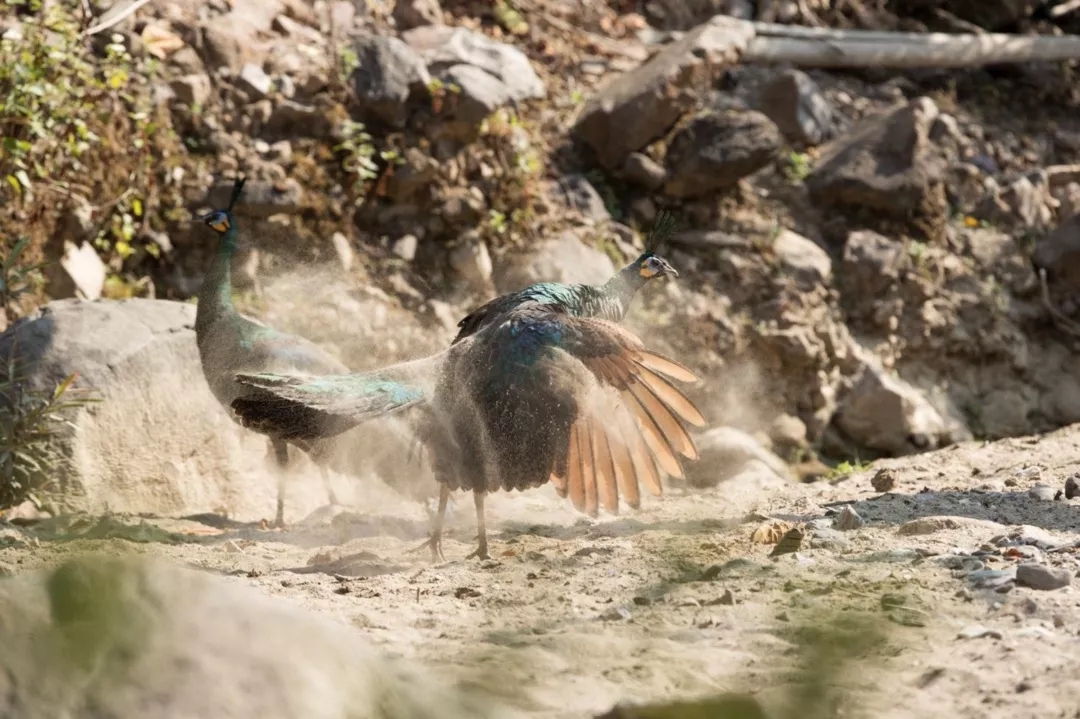
On August 28th, 2018, the very first public interest litigation on endangered animal conservation in China, the case on green peafowl habitat protection, was held in the Environmental Court of Kunming Intermediate People’s Court. The trial opened on the 28th. After three hours of court investigation and debate, the court announced the end of the trial. The sentence would be announced at a later date.

1
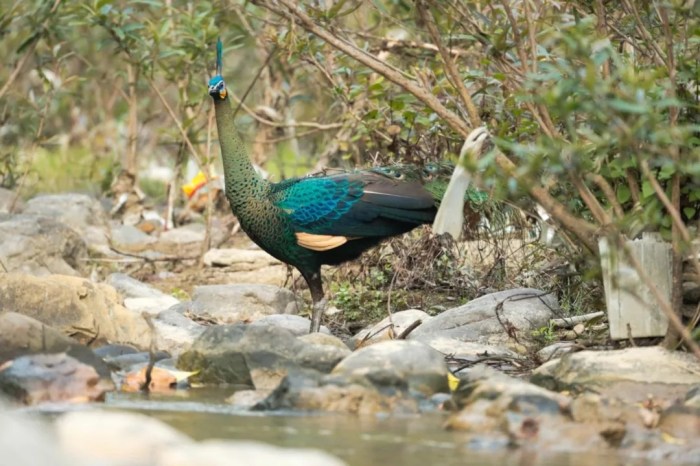
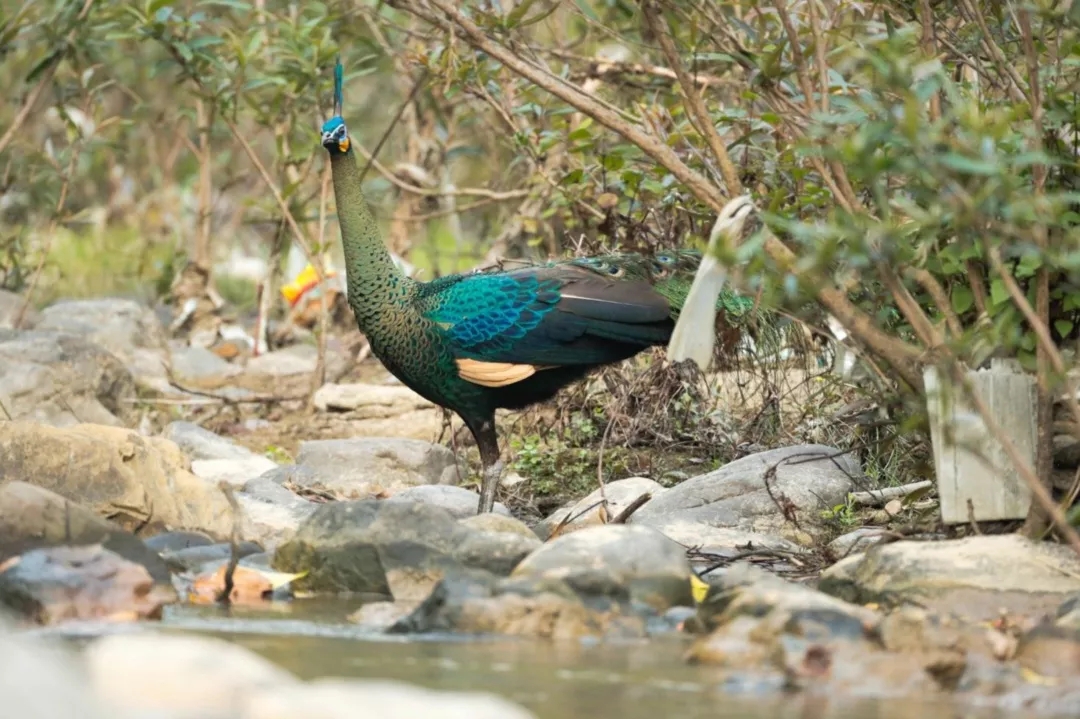
A green peafowl in its habitat in Kunming, Yunnan @ Wei Zhang, Wild China

In July 2017, to prevent the construction of the Jiasa River-I hydropower station from destroying the last intact green peafowl habitat in China, Friends of Nature brought a lawsuit. The lawsuit demanded that the defendants, the China Hydropower Consulting Group Xinping Co. Ltd and China Power Construction Group Kunming Survey and Design Institute Co. Ltd, halt the construction of the hydropower station in the Jiasa River.

The focus of the case centered around whether the two defendants would cause large-scale destructions to the ecosystems in the inundated areas. The plaintiff, Friends of Nature, stated that the inundated area of the construction project was a habitat with the largest green peafowl population. The construction would result in substantial environmental damage to the critical habitat of green peafowls, and would very likely cause the green peafowls in the region to go extinct.

2
@ Xiaosong Zhuang

The representatives from the defendants’ side questioned the professionalism of the plaintiff’s experts. They argued in court that, based on their environmental impact assessment, the construction would cause no considerable damage to the ecosystems and the species.

The construction project is located in a tropical rainforest, where the biodiversity would be tremendously damaged by the hydropower station.

3

Currently, the two defendants are waiting for instructions from relevant government departments as to whether or not to resume the construction.

All information and photos come from Friends of Nature: http://www.fon.org.cn/index.php?option=com_k2&view=item&id=13220:2018-08-30-02-37-33&Itemid=176

Translated by Dule and edited by Riley Peng @ Animal Dialogue
Plant-based meats become an investment hotspot — Sophie’s Kitchen perfects its manufacture process to sell plant-based seafood to European and American markets

With the continuous growth of the global population, it has become increasingly difficult to produce enough meat to satisfy global demands. Moreover, animal agriculture and meat processing also damage the environment.

Therefore, 100 % plant-based meats that look and taste exactly like real meat has begun to emerge.

How big is the market for plant-based meats? It is reported that 4% of the world’s population are vegetarians, and this number is on the rise. According to the Vegetarian Association, the U.S. plant-based meat market in 2016 was worth $5 billion and contributed $13.7 billion in sales to the U.S. economy. This is only the U.S. data. The plant-based meat industries in the UK, France, Germany, and other countries are also developing rapidly.

1
We learned that the research and development of plant-based protein products and their producers, including Beyond Meat and Impossible Foods, have received tremendous financial support, and the number of new companies is also increasing. But these companies place more focus on replacing normal meat products.

Sophie’s Kitchen, which has recently drawn attention from 36Kr, expressed interest in another vertical market for plant-based meats — plant-based seafood, which uses vegan raw materials to mimic the taste, smell, and nutrition of seafood.

Yaoxin Wang, the founder of Sophie’s Kitchen, told the reporter from 36Kr that he chose to enter the seafood market because many people from all over the world are allergic to seafood, and the demand is relatively strong.

According to an epidemiological survey, the number of people allergic to seafood products in the United States has reached 6.9 million, accounting for 2.3% of its total population. The epidemiological survey of the Chinese Center for Disease Control and Prevention found that the incident rate of food allergies in Chinese adults is as high as 6%. The survey identified the major allergens as seafood products and eggs. In addition, the seafood meat structure is more difficult to imitate and has certain technical thresholds.

Sophie’s Kitchen focuses on the imitation of seafood meat structure. This technology is relatively mature. The raw material it uses to substitute fish meat is pea protein powder, and the raw material for substituting soft shell seafood is konjac and seaweed powder. Wang told 36 Kr that they applied for a number of patents for the processing technology. The production process of soft shell seafood substitutes completely differs from the production process of fish substitutes. After completing the imitation of the fleshy structure, Sophie’s Kitchen will optimize taste and nutrients in the next step.

Sophie’s Kitchen’s products are processed in a factory in Taiwan, with a capacity of about 10 tons per month, mainly producing seafood and plant-based meat products. Its products have successfully entered more than 1,000 European and American supermarkets through vendors, with an annual revenue of about 1 million USD.

2

Wang told 36 Kr that although their products generate high profits, Sophie’s Kitchen is still limited by the scale of its business and is looking for U.S. investments to finance its expansion. He hopes to increase its number of product carriers to 2,000 and generate a profit of 2 million USD in 2018.

Unlike other plant-based seafood producers who target the restaurant industry, Sophie’s Kitchen mainly sells products through supermarkets.

The Sophie’s Kitchen team currently consists of four people. Its CEO Yaoxin Wang has an MBA from the Columbia Business School, as well as over 20 years of experience in plant-based manufacturing.

All information and photos come from Jiuchisu:https://www.jiuchisu.com/NeWs/17447.htm

Translated by Jiajia Han and Sherry Yao, and edited by Riley Peng @ Animal Dialogue
The 2018 International Alliance of Protected Areas Annual Meeting

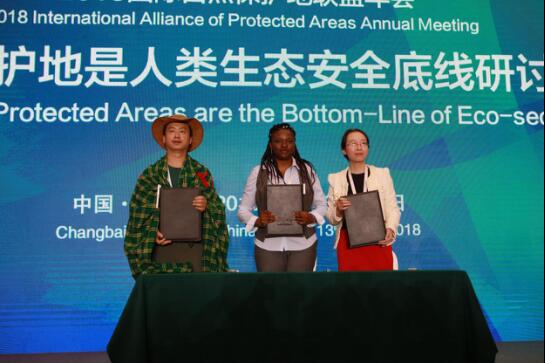
From September 13-14, the 2018 International Alliance of Protected Areas Annual Meeting was held in the Baekdu Mountains.

The meeting mainly focused on the role of natural protected areas as the human ecological safety bottomline. Scientists from different countries delivered presentations on different research areas and had a conversation on the functions of ecosystems and the management of protected areas.

The Baekdu Mountains, also called the Changbai Mountains in Chinese, is located in Jilin Province in northeastern China. It is famous for its unique cultural heritage and biodiversity. In the meeting, the Jilin Province representative emphasized the ecological importance of the Baekdu Mountains ecosystems and hoped to further enhance international communication and cooperation on future environmental protection plans.

2.jpg

In the conference, Wenhua Xiong, Director of the Office of the International Society of Zoological Sciences, the Secretary of the East African Wildlife Insurance Association, and the Nature Guardian Wildlife Development and Research Center jointly signed a tripartite cooperation memorandum, further promoting the development of wildlife conservation in both Africa and China.

Translated by Dule and edited by Riley Peng @ Animal Dialogue

All information and photos come from People.cn: http://env.people.com.cn/n1/2018/0914/c1010-30294686.html

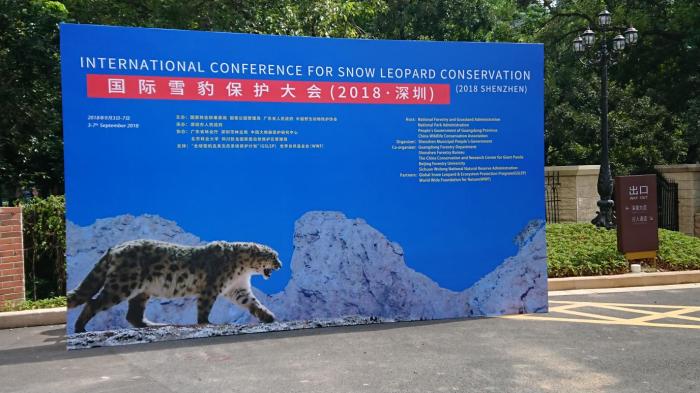
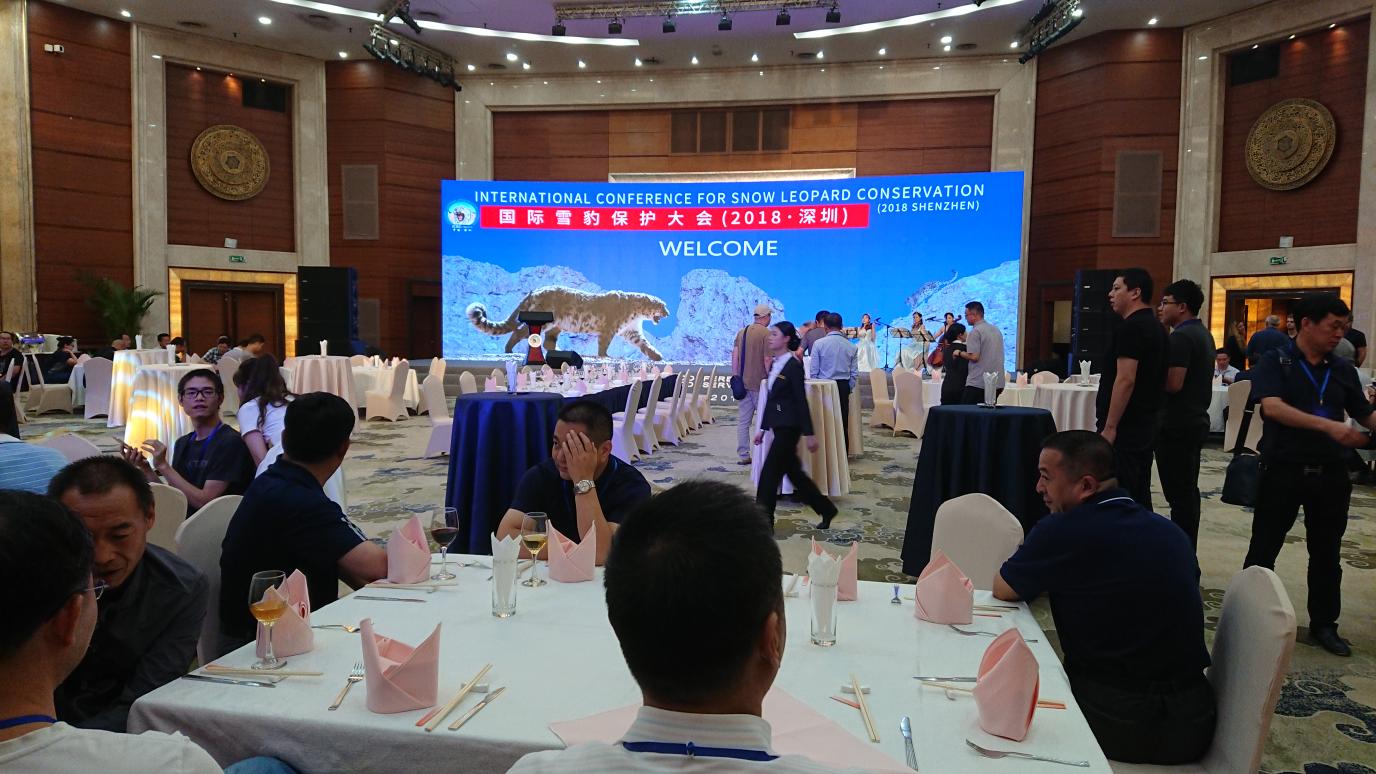
The 2018 International Conference for Snow Leopard Conservation

Since the 2013 Global Snow Leopard Forum, snow leopard range countries and international partners have actively promoted the implementation of the Global Snow Leopard and Ecosystem Conservation Plan (GSLEP) and achieved remarkable results. However, this species is still threatened by habitat degradation, climate change, poaching, etc. Insufficient knowledge on its status and population is a roadblock for future conservation efforts.

Pic2

Following the 3rd meeting of the Steering Committee Meeting of GSLEP in June 2018, the National Forestry and Grassland Administration of China (NFGA), National Park Administration (NPA), together with China Wildlife Conservation Association (CWCA) and the People’s Government of Guangdong Province, held the next International Conference for Snow Leopard Conservation (ICSC) in Shenzhen, China from September 3rd -7th.

Government representatives, snow leopard conservation scholars from different research areas, and frontline staff were all invited to the conference. They all came from different countries in Central and South Asia (Afghanistan, Bhutan, China, India, Kazakhstan, Kyrgyzstan, Mongolia, Nepal, Pakistan, Russia and Tajikistan, Uzbekistan), where most snow leopards are distributed in.

pic4
Koustubh Sharma, a representative from the Instruction Office of Global Snow Leopard & Ecosystem Protection Program (GSLEP)

The conference aimed to provide a platform for exchanging experience and knowledge to further enhance the academic and political communications between different countries, as well as to promote research on snow leopards conservation.

Another goal of the conference was to reach the “Shenzhen Consensus,” to bring all the governments together to collaborate on snow leopard conservation in the future. “Shenzhen Consensus” has been approved without opposition in the conference on September 5th.

The conference mainly focused on the following topics:

1. The population density and distribution of snow leopards and their preys
2. The threats snow leopards in different countries and areas are currently facing
3. The regular and developing methods used to study snow leopards
4. Interspecies relationships in the habitats of snow leopards and the ecological importance of snow leopards in these ecosystems
5. Species conservation based in local communities
6. Successful examples of snow leopards conservation

Information gathered by Huiyuan Qi, as well as from Dute News

All photos taken by Huiyuan Qi

Translated by Dule and edited by Riley Peng @ Animal Dialogue

Chimelong Safari Park launches “AR Zoo” in 2018

On July 31st, Chimelong and Baidu jointly held an event to officially launch the “Chimelong AR Zoo” app, an ongoing collaborative project. The two companies are working together to build the very first AR Zoo in the world, providing future visitors with more diverse ways to tour the park.

According to the meeting, the new app is a product of the developing Augmented Reality technology. It is based on many AI techniques from Baidu, such as AR rendering and image recognition. The project has just released the app’s first three main services, including Animal Introduction, AR Camera, and AR Walking Navigation.

1

“Animal Introduction” can automatically explain information about animals during the tour. The app also enables visitors to feed and control the movements of the animals, enhancing the interaction between tourists and animals.

“AR Camera” can enable visitors to go on virtual tours around the park and interact with rare species. It also allows visitors to take photos with animals.

“AR Walking Navigation” provides a map of all the buildings and exhibitions in the park, helping the visitors find their way quickly.

Nianhan Wang, the vice CEO of Chimelong, states that the two companies will have more collaborative, innovative projects to provide more smart services for enhancing the visitors’ experiences.

All information and photos come from Bendibao.com: http://m.gz.bendibao.com/tour/242918.html.

Translated by Lele and edited by Riley Peng @ Animal Dialogue