The welfare of donkeys in China is highly recognized by international animal welfare experts

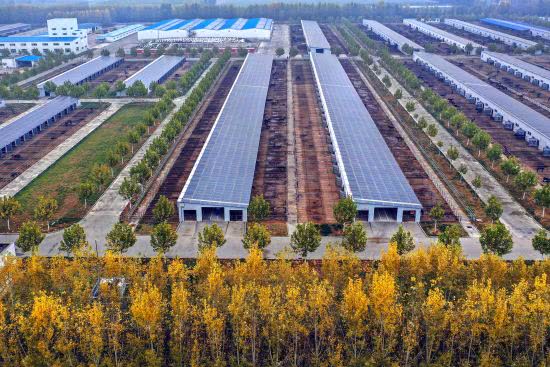
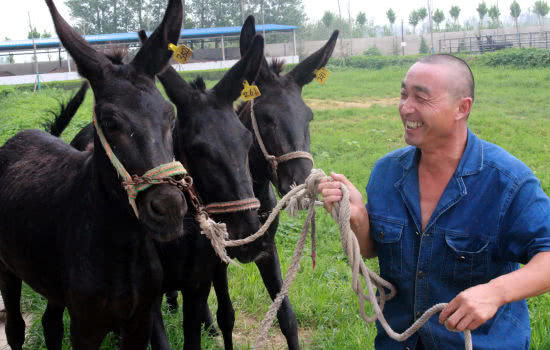
How to maintain the balance between animal welfare and productivity and maximize animal welfare in the commercial farming process is an important topic for international animal welfare organizations. To this end, experts from the World Farm Animal Welfare Association, the Donkey Sanctuary, and the China Agricultural International Cooperation Promotion Association went to Dong’e Ejiao in August 2018 to conduct site visits to investigate the farmed donkeys’ welfare and discuss how to improve welfare and create more comfortable “homes” for donkeys. Dong’e Ejiao is a company that produces a type of condensed gelatin called “Ejiao” from donkey skin. In traditional Chinese medicine, Ejiao is used to improve the immune system and treat anemia.
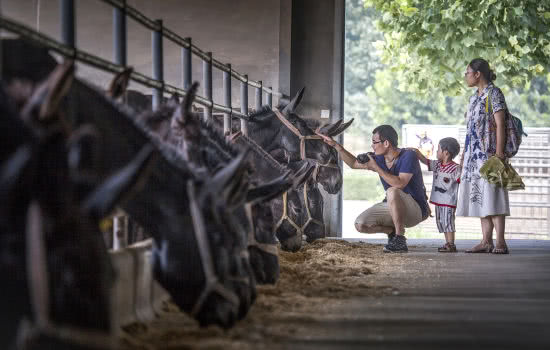
Dr. Karen Rickards, an expert of welfare standard assessments at the British Welfare Association, spoke highly of Dong’e Ejiao’s efforts in improving donkey welfare. “The welfare of Dong’e Ejiao is very good in general and it is even better than those in the UK in some aspects such as providing sand pits for the donkeys.”

Dong’e Ejiao Welfare is also highly recognized by Stephen DeRoz, a professor of Small Animal and Horse Breeding in the Department of Clinical Veterinary Medicine, University of Liège, Belgium.
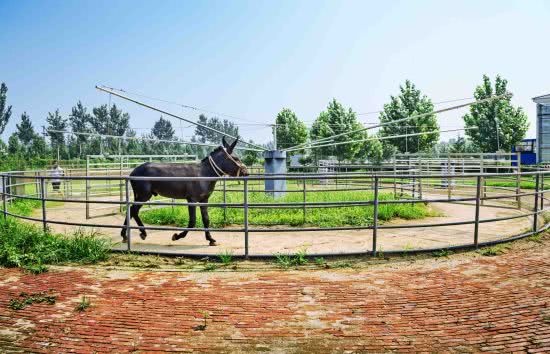
As early as August 2017, at the First International Donkey Industry Development Academic Exchange Meeting, more than 400 experts from 16 countries gathered in Dong’e Ejiao to discuss the frontier topics in the development of the donkey industry and animal welfare.

Dong’e Ejiao advocates the rational use of animal products while protecting animals based on the principle of “common but differentiated.” It believes that the trade of animal products has its rationality and legitimacy, but at the same time, people should severely crack down on the illegal slaughter of smuggled animals and their biological products.
Not only the welfare of the donkeys has drawn a lot of attention, but the welfare of other animals has also received extensive attention and emphasis in China with remarkable results. At present, the world’s largest and most widely participated animal welfare conference, the 2nd World Farm Animal Welfare Conference, was successfully held in Beijing on October 24, 2018.

Modern food production conflicts with animal welfare. If there is no human interference, animals are in a natural state of welfare. If humans managed the animals properly, such as providing sufficient food and water, keeping them out of the attack of hunters, rendering medical care, and paying attention to their health conditions, then their productivity will increase and the animal welfare would be maximized. We need to reach a balance between animal welfare and productivity in the natural state to maximize animal welfare in commercial farming.
All information comes from news.html5.qq.com

Translated by Jiaxuan Han

Edited by Andrea Jia and Riley Peng @ Animal Dialogue
Chinese chicken manufacturer recognized for their commitment to chicken welfare

In June 2018, the Jiangsu Lihua Animal Husbandry Co. received the Five-Star Good Chicken Production Award from Compassion in World Farming (CIWF) for their commitment to chicken welfare. Since 2014, CWIF had partnered with the International Cooperation Committee of Animal Welfare (ICCAW) to award Chinese farms according to criteria that equated to stars, and five stars represented the highest achievement in farm welfare. The company became the only manufacturer in Jiangsu Province to receive the award for their high standards. 

The leading brand of chicken meat from the company is called Xueshan (Snow Mountain) Chicken, which is a new type of grass chicken that has been carefully bred by scientists using the high-quality Tibetan chicken and Yunnan Camellia chicken as the primary parent stock. 

Dr. Yuan Qingyan from the company’s technical department explained, “Xueshan Chicken has been selected and bred through many generations. This type of chicken is characterized by their wild nature.” Catering to the chicken’s nature, the housing of the Xueshan Chicken has a natural litter of rice husk as bedding, and is designed to be semi-open with perches. Dr. Yuan has been working in the company for 11 years since she joined Lihua in 2007.

“Chickens naturally enjoy jumping around and resting on perches. Our special perch has earned the Utility Model Patent,” said Dr. Yuan. “Besides, we built large fields with a sand bath area. Chickens can grow in a large area, and they have more opportunity to run around freely and exercise, which improves the meat quality. These chickens are adept at running and flying, and some can even hop up into a tree.”

Dr. Yuan also addressed, “The chicken house environment is controlled to provide a comfortable place for chickens. The daily temperature variation in the chicken house is reduced in the winter. In the summer, the house can be kept very cool.”

The technical regulations for raising Xueshan Chicken in Lihua have been regarded as local farming standards by the Jiangsu government. “The chickens in this system are rarely sick. Accordingly, the amount of medicine used is also reduced, and the food safety is greatly improved.” Dr. Yuan said.

All information comes from js.china.com

Translated by Dule

Edited by Andrea Jia and Riley Peng @ Animal Dialogue
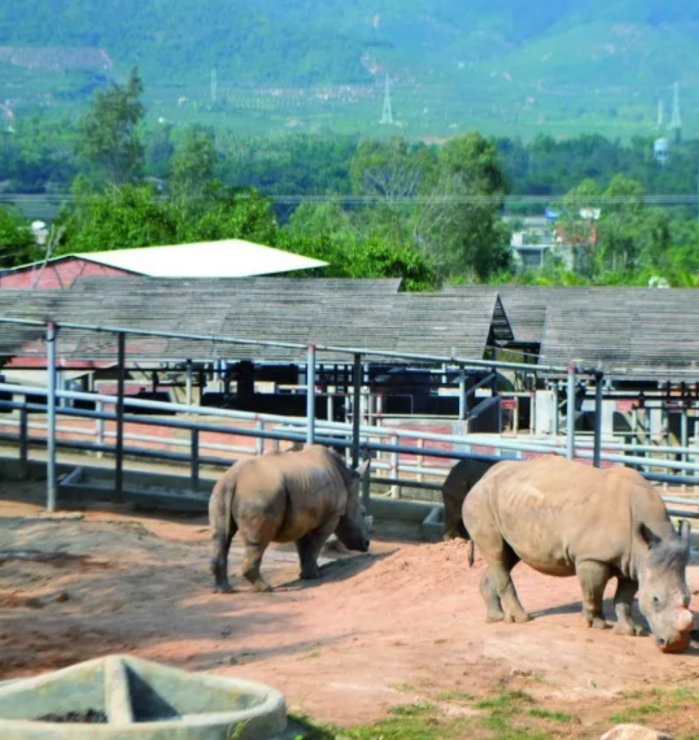
Striving to be animal welfare ambassadors – Chinese primary school asks the world to protect animals

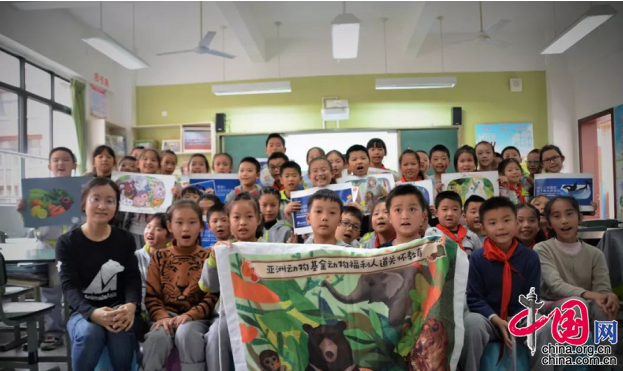
Chengdu Jinyang Primary School invited Xi Li, an educator from the Animals Asia Foundation, to give an innovative and meaningful lesson to third-graders on animal welfare and humane care education.

According to Li, the five major areas of animal welfare (nutrition, health, environment, behavior, and emotional states) are the scientific standards for judging whether animals are happy. “Firstly, different animals have unique nutritional needs, but they all require a balanced nutrition like humans do. The canines of lions, tigers, and bears are often removed or cut off to reduce injury and mortality in trainers during various performances. Such procedures can cause a variety of dental diseases, affecting the animals’ food intake, which in turn may cause other illnesses. Organizations should provide animals with an environment that is suitable for their nature, instead of harming them deliberately for the entertainment of humans. We should let animals express their natural behaviors freely, as each individual has different behavioral needs.” Li said that a large number of wild animals are still being hunted, rare animals are sold as commodities, pets are abandoned or abused, and animals are required to please tourists in circuses throughout their lives.

The students of Jinyang Primary School make the following requests to students and parents around the world:

  1. Do not watch animal performances;
  2. Do not consume wild animals;
  3. Do not take photos or interact with wild animals within a short distance,
  4. Do not keep wild animals as pets;
  5. Do not ride elephants;
  6. Do not feed wild animals.

Let us all start protecting animals and become animal-welfare ambassadors.

All information comes from china.com

Translated by Sherry Yao

Edited by Andrea Jia and Riley Peng @ Animal Dialogue
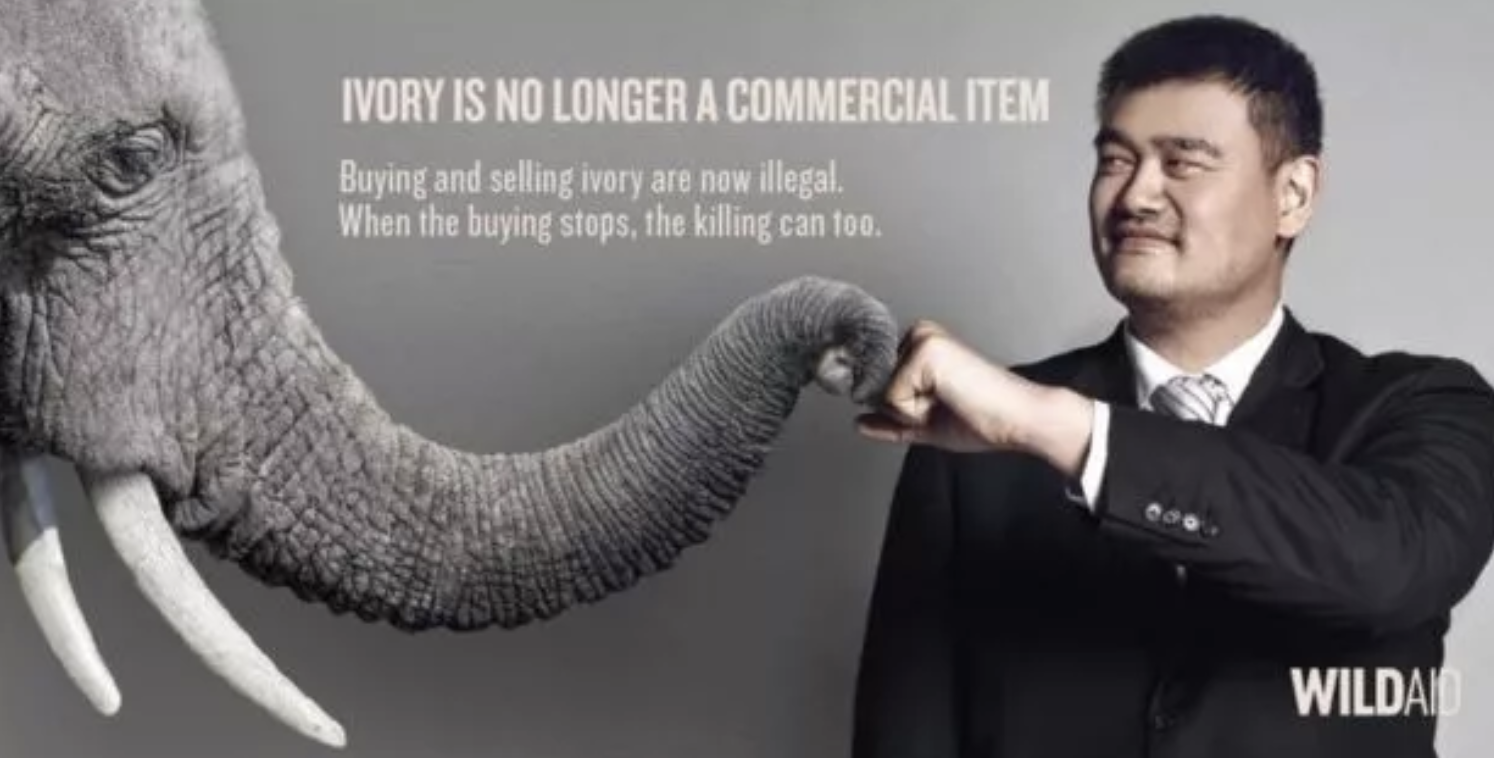
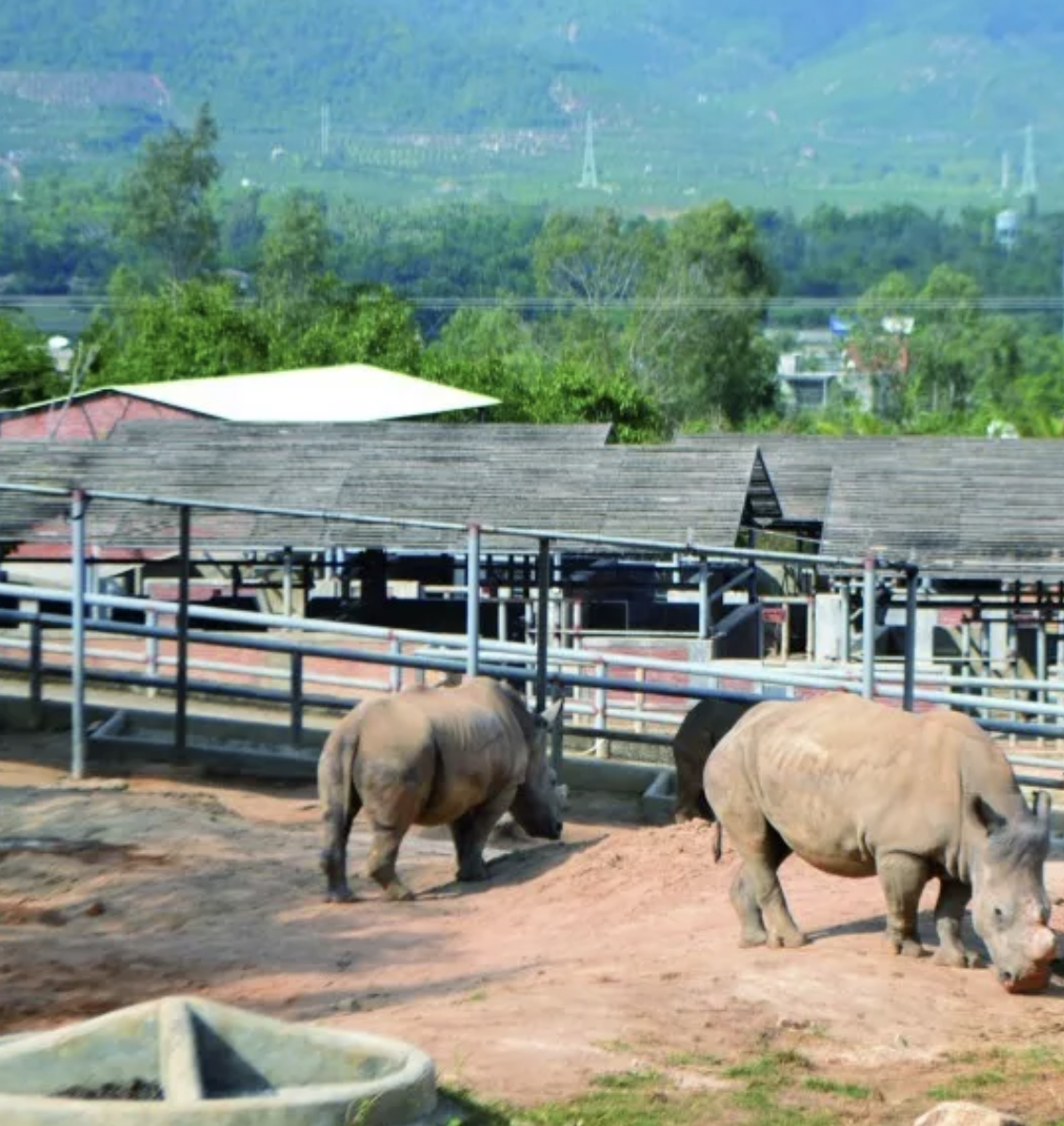
China legalizes rhino horns and tiger bones for medicinal use after 25-year ban

On October 29, 2018, The China State Council issued a notice on the strict control of the operation and utilization of rhinoceros and tigers and their products, and simultaneously abolished the former rhino horn and tiger bone trade ban issued in 1993.

The new notice allows the sale, purchase, use, import, and export of rhinoceros and tigers and their products under certain conditions prescribed by law, whereas in the 1993 notice, the above acts were banned entirely.

The issue in focus is the authorization for obtaining products for medicinal use from artificially bred or naturally dead rhinoceros and tigers. Many worry the new regulation may be abused.

Screen Shot 2018-11-13 at 12.56.16 AM.png
@WildAid

Environmental protection organizations are stunned by the re-opening of the rhinoceros and tiger products market after 25 years of prohibition. While we mourn the loss of the trade ban, let us also examine the example of China’s domestic ivory trade. Since 1981, the Chinese ivory market has opened and closed several times until the latest trade ban in December 2017. Moreover, the period of rampant poaching and rising illegal trade coincided with China’s second opening of the domestic ivory market. TRAFFIC, the wildlife trade monitoring network, stated in its reports that the existence of a legal ivory market leaves some space for the illegal market, raising the demand for ivory and the number of poached African elephants.

With the painful lessons of ivory, we must also pay enough attention to the rhinoceros and tiger market opening, because this may once again lead to an increase in incidences of illegal poaching. At present, the number of wild tigers in the world is only over 3,900, and the number of wild rhinoceros is around 30,000, so protection work is needed urgently.

Screen Shot 2018-11-13 at 12.56.40 AM
@Bandao

Animal Dialogue believes that only by strengthening supervision and making standard requirements for various industries can we prevent the influx of unlawful rhinoceros and tiger products. We propose some suggestions for relevant departments and enterprises listed below:

  1. The government should strengthen the enforcement of the ban by departments such as the customs, public security, and internet supervision.
  2. The authorities ought to release a list of hospitals and physicians who are permitted to utilize rhinoceros and tiger bones in medicine and create clear product labels to inform the public better.
  3. The administrative agencies should establish records of an inventory of products and carry out statistical work on the number of rhinoceros and tigers in zoos, farms, scientific research bases, and so on. They should also audit the inventory and quantity regularly.
  4. Internet businesses should improve the management of websites and e-commerce platforms, delete illegal information about rhinoceros and tiger products from the platform promptly, and actively cooperate with authorities to investigate suspected crimes.
  5. We urge the e-commerce industry to train delivery practitioners to identify rhinoceros horns and tiger bones so they may refuse to deliver suspected rhinoceros and tiger products.
  6. In the process of artificial breeding of rhinoceros and tigers, the farming industry should ensure both the physical and mental welfare of these animals.

Wild animals always belong in nature, and we and all those who love wild animals will continue to pay attention to the protection of wild rhinoceros and tigers as well as illegal market trade.

Update:

On November 12th, China announced it is postponing the lifting of the 1993 ban on rhino horns and tiger bones, after a massive wave of criticism from international conservation groups. The relevant plans have been called off, and the old ban is still in place. China’s stance on wildlife conservation remains unchanged. It will continue to enforce the “three strict bans”: “strictly ban the import and export of rhinos, tigers and their byproducts; strictly ban the sale, purchase, transport, carrying, and mailing of rhinos, tigers, and their byproducts; and strictly ban the use of rhino horns and tiger bones in medicine,” said State Council Executive Deputy Secretary-General Ding Xuedong.

Translated by Andrea Jia

Edited by Riley Peng @ Animal Dialogue
The City of Shenzhen educates youth on appropriate ways to raise dogs in an urban environment

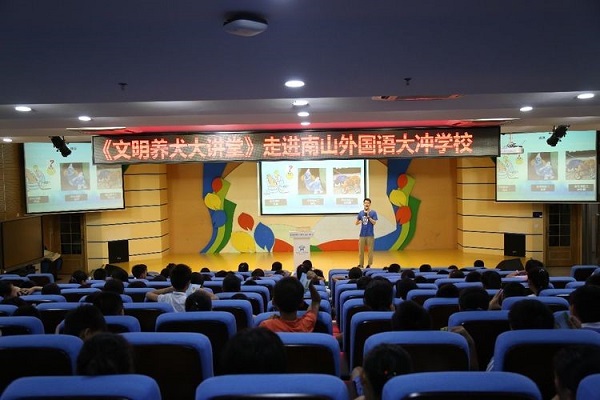
As the typhoon Mangkhut tore through Shenzhen, many people are worried about stray dogs wandering the city’s streets. Discussions about how to reduce the number of stray dogs and how to help them effectively have become heated. On the afternoon of September 21st, the Civilized Dog Raising Lecture was held in the Shenzhen Nanshan Foreign Languages School.

The speakers and the students shared a meaningful experience before the Mid-Autumn Festival. Questions such as how to be a responsible dog owner and how to prevent the increase of stray animals were discussed. To answer these particular questions, the Civilized Dog Raising Lecture introduced ways to care for stray animals and appropriate standards of dog care which resonated well with the students.

2.jpg

Organized by the Shenzhen Urban Management Bureau with various community organizations, the Civilized Dog Raising Lecture has the theme of “Civilized dog raising and a healthy lifestyle” and strives to promote responsible ownership of dogs. Starting from December 2017, the talks have been held in 20 schools and 30 districts such as Futian, Luohu, Nanshan, Longhua, and Longgang. Vivid and specific with methods that are easy to practice, the speeches are warmly welcomed by students and local dog owners.

Darren Wang, the speaker and the education ambassador of Hong Kong SPCA, began the lecture with comics to entice the students. He specifically focused on elements such as “animal cognition,” “the animals’ needs,” “mistakes in dogs’ upbringing,” and “raising dogs legally.” The students were thoroughly engaged. During the section, “identifying dog habits,” some students participated in the role-playing games and learned how to recognize the emotions of dogs. Using an educational video, Wang taught the students the significance of harmonious coexistence between humans and animals, respect, and looking after the animals’ true needs. Wang also discussed the stray animals that were suffering from the typhoon Mangkhut and addressed the owner’s important responsibility in reducing the number of stray dogs. Wang encouraged students to start taking small steps, such as not abandoning dogs and adopting dogs instead of buying and helping stray dogs.

1.jpg

Both the students and teachers loved the humorous style of the lecture. The Vice Principal, Li Yiyang, enjoyed the lecture greatly. She also encouraged the students to respect and take care of the animals living around them.

This year, the Shenzhen Urban Management Bureau carried out a series of activities promoting responsible dog ownership from different aspects such as publicity, service, management, and law enforcement. Examples of activities are Year of the Dog Painting Contest, the Best Dog Owner Award, and the Owner Responsibility Neighborhood Outreach, etc.

All information and photos come from sznews.com

Translated by Dule

Edited by Andrea Jia & Riley Peng @ Animal Dialogue


Dog film launches a “Love Dog Action”

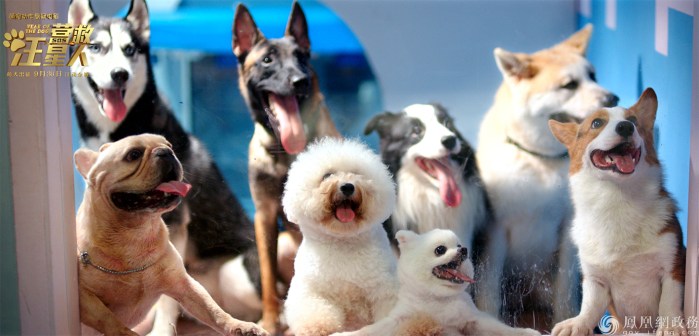
The cutest movie in the Year of the Dog, The Big Rescue, has teamed up with the China Small Animal Protection Association (CSAPA) to raise funds for the eradication of rabies in China. For each ticket sold, The Big Rescue will donate one yuan to the CSAPA, which will use the funds to feed and immunize stray animals.

The Big Rescue tells the story of a grand partnership formed between man and man’s best friend to rescue kidnapped pooches from a drug ring. Due to its animal protectionist theme, the movie had attracted the attention of CSAPA members since the pre-production stage.

2.jpg

China Small Animal Protection Association was formally founded in 1992. Based in Beijing, the CSAPA organizes public education campaigns, outreach, and animal rescues. The CSAPA’s mission is to protect animals’ freedom from death, illness, and abuse and to improve the living standards of small animals.

Ms. Liang Ting, the film’s producer, director, and screenwriter, said that the purpose of the film is to “spread the idea of animal protectionism and animals’ equal right to live.”

Ms. Liang Ting added, “Although the public’s animal-loving sentiment is growing stronger, the number of stray animals is steadily rising, which may somewhat increase the risk of diseases in humans.”

3.jpg

China has the second highest number of reported rabies cases in the world after India. Dr. Fu Zhenfang, a world-renowned rabies expert and the professor of pathology at the University of Georgia’s College of Veterinary Medicine, said in an interview, “The highest priority of rabies prevention is animal immunization. Animals should be vaccinated in both urban and rural areas.”

The Big Rescue and CSAPA will use the majority of the funds raised to administer rabies vaccines to stray animals in addition to purchasing food and medical supplies.

All information and photos come from ifeng.com

Translated by Andrea Jia and edited by Riley Peng @ Animal Dialogue

Plant-based meats become an investment hotspot — Sophie’s Kitchen perfects its manufacture process to sell plant-based seafood to European and American markets

With the continuous growth of the global population, it has become increasingly difficult to produce enough meat to satisfy global demands. Moreover, animal agriculture and meat processing also damage the environment.

Therefore, 100 % plant-based meats that look and taste exactly like real meat has begun to emerge.

How big is the market for plant-based meats? It is reported that 4% of the world’s population are vegetarians, and this number is on the rise. According to the Vegetarian Association, the U.S. plant-based meat market in 2016 was worth $5 billion and contributed $13.7 billion in sales to the U.S. economy. This is only the U.S. data. The plant-based meat industries in the UK, France, Germany, and other countries are also developing rapidly.

1
We learned that the research and development of plant-based protein products and their producers, including Beyond Meat and Impossible Foods, have received tremendous financial support, and the number of new companies is also increasing. But these companies place more focus on replacing normal meat products.

Sophie’s Kitchen, which has recently drawn attention from 36Kr, expressed interest in another vertical market for plant-based meats — plant-based seafood, which uses vegan raw materials to mimic the taste, smell, and nutrition of seafood.

Yaoxin Wang, the founder of Sophie’s Kitchen, told the reporter from 36Kr that he chose to enter the seafood market because many people from all over the world are allergic to seafood, and the demand is relatively strong.

According to an epidemiological survey, the number of people allergic to seafood products in the United States has reached 6.9 million, accounting for 2.3% of its total population. The epidemiological survey of the Chinese Center for Disease Control and Prevention found that the incident rate of food allergies in Chinese adults is as high as 6%. The survey identified the major allergens as seafood products and eggs. In addition, the seafood meat structure is more difficult to imitate and has certain technical thresholds.

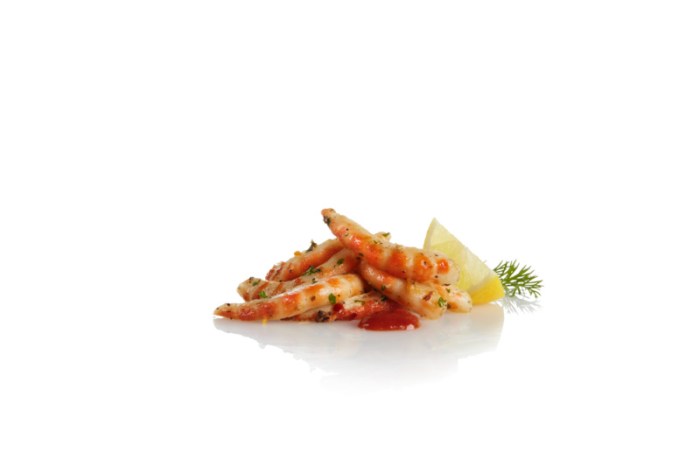
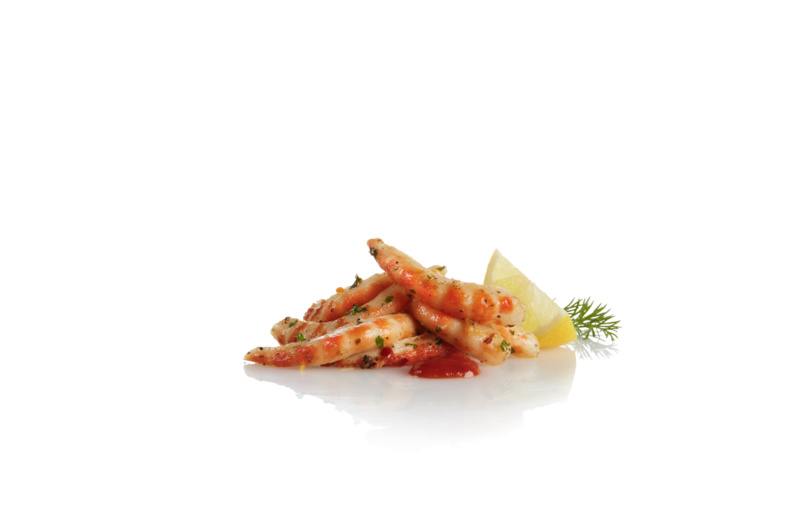
Sophie’s Kitchen focuses on the imitation of seafood meat structure. This technology is relatively mature. The raw material it uses to substitute fish meat is pea protein powder, and the raw material for substituting soft shell seafood is konjac and seaweed powder. Wang told 36 Kr that they applied for a number of patents for the processing technology. The production process of soft shell seafood substitutes completely differs from the production process of fish substitutes. After completing the imitation of the fleshy structure, Sophie’s Kitchen will optimize taste and nutrients in the next step.

Sophie’s Kitchen’s products are processed in a factory in Taiwan, with a capacity of about 10 tons per month, mainly producing seafood and plant-based meat products. Its products have successfully entered more than 1,000 European and American supermarkets through vendors, with an annual revenue of about 1 million USD.

2

Wang told 36 Kr that although their products generate high profits, Sophie’s Kitchen is still limited by the scale of its business and is looking for U.S. investments to finance its expansion. He hopes to increase its number of product carriers to 2,000 and generate a profit of 2 million USD in 2018.

Unlike other plant-based seafood producers who target the restaurant industry, Sophie’s Kitchen mainly sells products through supermarkets.

The Sophie’s Kitchen team currently consists of four people. Its CEO Yaoxin Wang has an MBA from the Columbia Business School, as well as over 20 years of experience in plant-based manufacturing.

All information and photos come from Jiuchisu:https://www.jiuchisu.com/NeWs/17447.htm

Translated by Jiajia Han and Sherry Yao, and edited by Riley Peng @ Animal Dialogue

Vegetarian cyclers ride across China to promote a low-carbon, vegetarian lifestyle

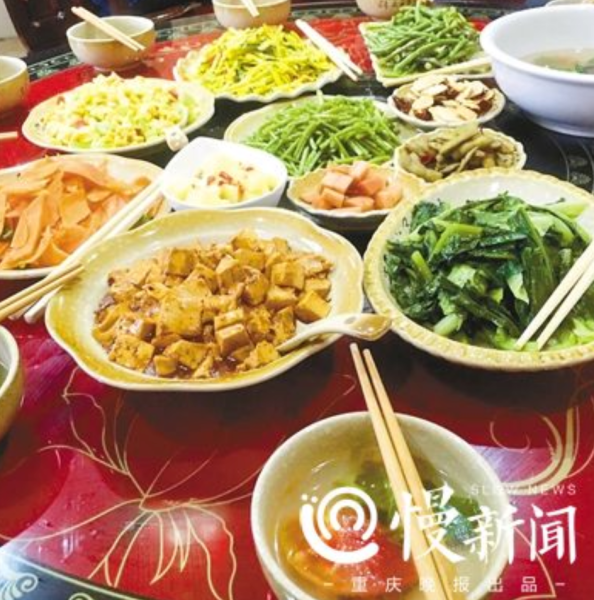
Hotpot is a must-have food for those traveling to Shancheng, Chongqing. Tiejun Xie and his fellow cyclers also enjoyed vegetarian hotpot as their first meal upon arriving in Chongqing.

In fact, starting from August 7th in Wuxi, Jiangsu Province, in the past month, they cycled for nearly 3,000 kilometers, solely fueled by vegetarian food. Early in the morning on September 10th, cyclers in the “Cycle Vegetarian Journey,” which promotes low-carbon life, just departed from Chongqing to resume their journey and will soon begin their return journey.

1. Why be a vegetarian cycler?

Yucheng Jiang, the organizer of this vegetarian cycling movement, defines vegetarian cycling as an outdoor public welfare activity. It has been held for the third consecutive year. Every year, cyclers ride thousands of miles to promote a low-carbon, healthy lifestyle.

The original intention of Jiang Yucheng and his fellow cyclers was quite simple. He found today’s environmental crises and public health issues worthy of attention. Everyone hopes to do something about it. Vegetarianism and cycling are crucial components of a low-carbon, healthy lifestyle.

Cycling the healthy and low-carbon way: Jiang Yucheng said that in the food production process, vegetarian foods generate much lower carbon emissions than meat. If vegetarian foods can sufficiently fuel cyclers’ immense energy expenditures, normal people can definitely be healthy and strong on a vegetarian diet.

Screen Shot 2018-09-14 at 4.54.09 PM
Delicious vegetarian dishes enjoyed by these cyclers @crl.net

2. Can only vegetarian participate?

This time, after cycling back to his hometown, because he has his own business in Jiangsu, he found it unrealistic to devote all his time to cycling. “Each segment of the journey lasts 7 days. I participate in 4 of them. After all, I have to take time to go back and take care of my work. When exiting from Wuxi, we had 22 people — friends of all ages in various industries, including college students, entrepreneurs, doctors, etc. Some have left, while new people have joined.

Upon arriving in Chongqing, the group consisted of 19 people, and 7 planned on completing the entire ride. Among those taking part in the journey, some have been vegetarian for over ten years. Those who are not vegetarians are also welcome, as long as they are willing to participate and eat vegetarian during the journey.

Screen Shot 2018-09-14 at 4.54.37 PM
@crl.net

3. Vegetarians don’t have enough nutrition?

Jiang Yucheng said that during the ride, both their vegetarian diet and exercise are carried out scientifically. The team plans the route for the next day in advance everyday and adjusts according to road conditions. Their diet plan has been designed by dietitians to ensure sufficient nutritional supply.

All information comes from Xinhua News: http://www.cq.xinhuanet.com/2018-09/10/c_1123404607.htm

All photos come from crl.cn: http://cq.cri.cn/20180910/f1f9af08-c725-41c8-6661-8ab67a495c31-3.html

Translated by Sherry Yao and edited by Riley Peng @ Animal Dialogue
Fuxi Animal Hospital brings free veterinary clinics to the community

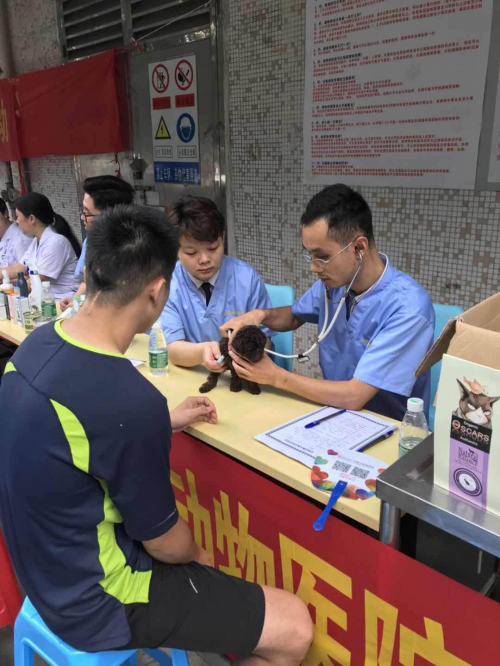
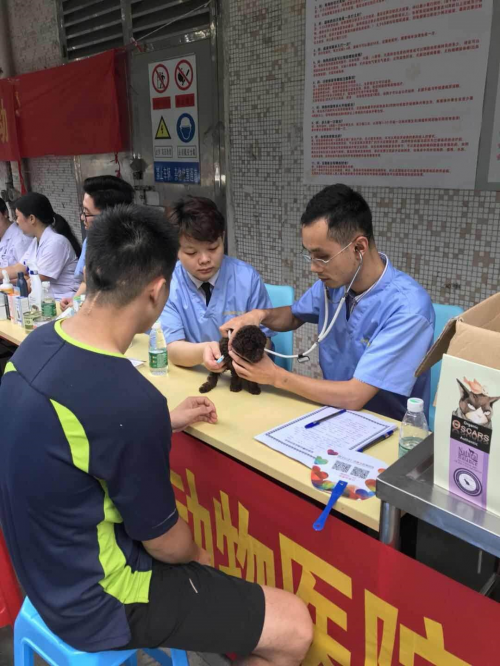
On July 13, 2018, in order to promote scientific methods of raising pets and preventing animal diseases, Fuxi Animal Hospital and the Judean Community Neighborhood Committee hosted free medical consultation sessions for animals at the South Gate of the Judehuayuan Community in Tianhe District, Guangzhou.

The theme is “Harmonious Community, Civilized Science, and Pets,” which enables the community residents to learn how to scientifically raise their pets. At the same time, the event provides support services for community stray animals, and collaborate with the local community to create a safe and comfortable living environment for both the residents and their pets.

1

On the same day, seven senior physicians from the Fuxi Animal Hospital set up a general medical examination desk for providing free full-body physical examinations to animals. The items examined included: body weight, body temperature, body condition, level of consciousness, behavior, body posture, ear examination, eye examination, nose, mucosal color, cavity, teeth, skin coat, palpation of the abdomen, limbs, joints, auscultation of the heart and lungs, etc.

In addition, the event taught the residents general pet knowledge and how to take care of young and old sick animals, handled dog certification for community residents, and popularized vaccines, deworming, and zoonosis.

2nd

In recent years, as the number of pet families increased, the number of stray pets also increased. To foster a harmonious community, Fuxi Animal Hospital actively provides support services for stray animals. It implemented a half-priced stray animal sterilization program, as well as a half-priced stray animal disease diagnosis and treatment plan.

3rd

Fuxi Animal Hospital said that it intends the free clinic activities to advocate for a more civilized way of raising pets, to build a harmonious community environment, and to provide care and love for stray animals. It hopes that these activities will help the residents better understand their pets, and improve the emotional exchange and communication between residents and their pets.

All information and photos come from gogochina.cn (click to view source).

Translated by Sherry Yao and edited by Riley Peng @ Animal Dialogue

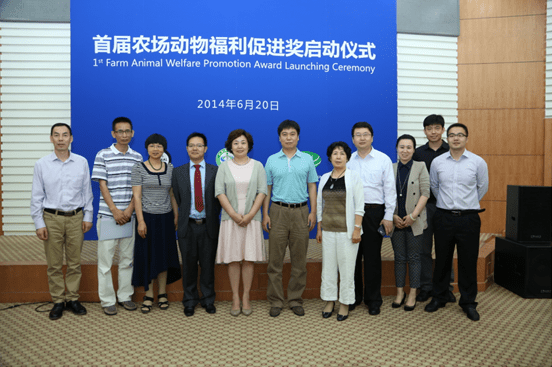
The establishment of China’s first farm animal welfare charity award

On the morning of June 20th, the launching ceremony of the “Farm Animal Welfare Promotion Award” was held at the Chinese Academy of Agricultural Sciences. This award is the first public welfare award for farm animal welfare in China, jointly sponsored by the World Animal Protection Association (World Animal Protection), the China Veterinary Association (CVMA), and the China Agricultural International Cooperation Promotion Association (CAPIAC).

The ceremony was hosted by Zili Jia, Secretary General of the Animal Welfare Health Services and Welfare Branch of the China Veterinary Association.

1
@FeedTrade.com

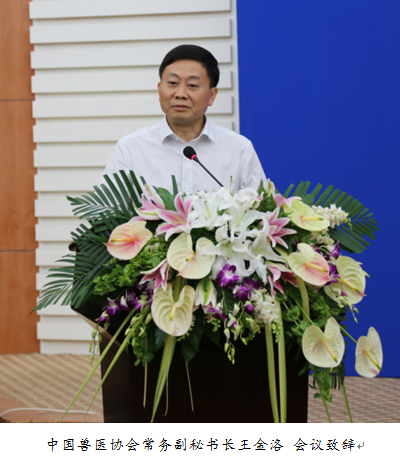
In a subsequent speech, Jinluo Wang, Executive Deputy Secretary General of the Chinese Veterinary Association, introduced that World Animal Protection was established in 1981, and has dedicated itself to animal protection for over 30 years. Headquartered in London, it is active in more than 50 countries around the world. The organization actively promotes the concept and practice of animal protection. Internationally, holding a comprehensive consultative status with the United Nations ensures that animal protection is included in the global issues that need to be addressed, explaining to the world that animal protection is mutually beneficially for both humans and nonhuman animals.

Jinluo.png
Jinluo Wang speaking at the launching ceremony @FeedTrade.com

China is a big producer of animal products. In order to promote the enactment of animal welfare legislation, the China Animal Welfare Association was established in 2013. It has demonstrated its commitment to the advancement of animal welfare by executing various animal welfare projects.

Mr. Zhonghua Zhao, China’s Chief Representative of the World Animal Protection Association, remarked that just like humans, animals also have morality and emotions. China’s cultural inheritance should also include animal protection.

Moreover, animal welfare standards must be adopted by the livestock industry in the near future. The “Farm Animal Welfare Promotion Award” aims to promote the implementation of animal welfare standards in slaughterhouses and other enterprises.

Chunling Xi, Executive Director of the China Council for the Promotion of International Cooperation of Animal Welfare (ICCAW), explained that prior to this ceremony, the ICCAW conducted a questionnaire among the masses. The survey results show that welfare animal farming in China has a high degree of public recognition: 84% of those surveyed are willing to purchase welfare-rated products, and 70% are willing to purchase welfare-rated products at a price 10% higher than non-welfare-rated products.

Therefore, she hopes that these animal welfare prizes will make the public more acceptive of animal welfare.

12.png
Chunling Xi speaking at the ceremony @FeedTrade.com

Professor Xianhong Gu, an animal welfare expert for 20 years, reported to the guests and media outlets present at the ceremony the significant progress China has made in farm animal welfare. At present, China’s farm animal welfare standards have been promulgated, in conjunction with the launch of relevant national scientific research plans.

All information and photos come from FeedTrade.com:
http://www.feedtrade.com.cn/news/enterprise/2014-06-24/2017950.html

Translated by Sherry Yao and edited by Riley Peng @ Animal Dialogue