Blog

Plant-based meats become an investment hotspot — Sophie’s Kitchen perfects its manufacture process to sell plant-based seafood to European and American markets

With the continuous growth of the global population, it has become increasingly difficult to produce enough meat to satisfy global demands. Moreover, animal agriculture and meat processing also damage the environment.

Therefore, 100 % plant-based meats that look and taste exactly like real meat has begun to emerge.

How big is the market for plant-based meats? It is reported that 4% of the world’s population are vegetarians, and this number is on the rise. According to the Vegetarian Association, the U.S. plant-based meat market in 2016 was worth $5 billion and contributed $13.7 billion in sales to the U.S. economy. This is only the U.S. data. The plant-based meat industries in the UK, France, Germany, and other countries are also developing rapidly.
1
We learned that the research and development of plant-based protein products and their producers, including Beyond Meat and Impossible Foods, have received tremendous financial support, and the number of new companies is also increasing. But these companies place more focus on replacing normal meat products.

Sophie’s Kitchen, which has recently drawn attention from 36Kr, expressed interest in another vertical market for plant-based meats — plant-based seafood, which uses vegan raw materials to mimic the taste, smell, and nutrition of seafood.

Yaoxin Wang, the founder of Sophie’s Kitchen, told the reporter from 36Kr that he chose to enter the seafood market because many people from all over the world are allergic to seafood, and the demand is relatively strong.

According to an epidemiological survey, the number of people allergic to seafood products in the United States has reached 6.9 million, accounting for 2.3% of its total population. The epidemiological survey of the Chinese Center for Disease Control and Prevention found that the incident rate of food allergies in Chinese adults is as high as 6%. The survey identified the major allergens as seafood products and eggs. In addition, the seafood meat structure is more difficult to imitate and has certain technical thresholds.

Sophie’s Kitchen focuses on the imitation of seafood meat structure. This technology is relatively mature. The raw material it uses to substitute fish meat is pea protein powder, and the raw material for substituting soft shell seafood is konjac and seaweed powder. Wang told 36 Kr that they applied for a number of patents for the processing technology. The production process of soft shell seafood substitutes completely differs from the production process of fish substitutes. After completing the imitation of the fleshy structure, Sophie’s Kitchen will optimize taste and nutrients in the next step.

Sophie’s Kitchen’s products are processed in a factory in Taiwan, with a capacity of about 10 tons per month, mainly producing seafood and plant-based meat products. Its products have successfully entered more than 1,000 European and American supermarkets through vendors, with an annual revenue of about 1 million USD.

2

Wang told 36 Kr that although their products generate high profits, Sophie’s Kitchen is still limited by the scale of its business and is looking for U.S. investments to finance its expansion. He hopes to increase its number of product carriers to 2,000 and generate a profit of 2 million USD in 2018.

Unlike other plant-based seafood producers who target the restaurant industry, Sophie’s Kitchen mainly sells products through supermarkets.

The Sophie’s Kitchen team currently consists of four people. Its CEO Yaoxin Wang has an MBA from the Columbia Business School, as well as over 20 years of experience in plant-based manufacturing.

All information and photos come from Jiuchisu:https://www.jiuchisu.com/NeWs/17447.htm

Translated by Jiajia Han and Sherry Yao, and edited by Riley Peng @ Animal Dialogue
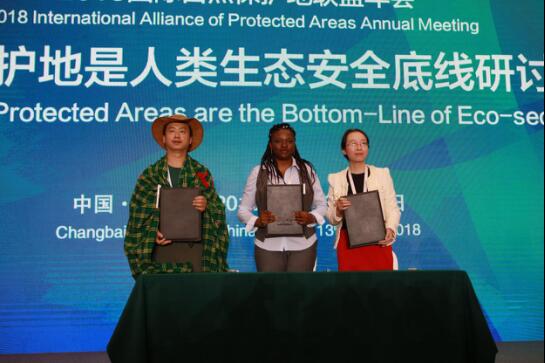
The 2018 International Alliance of Protected Areas Annual Meeting

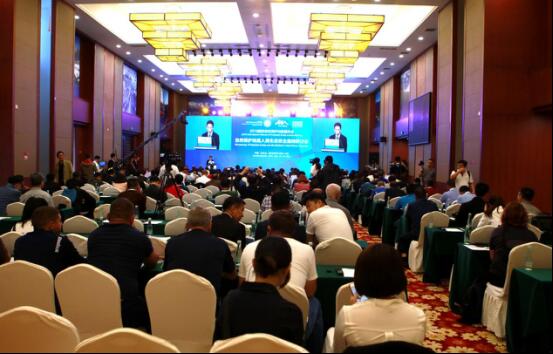
From September 13-14, the 2018 International Alliance of Protected Areas Annual Meeting was held in the Baekdu Mountains.

The meeting mainly focused on the role of natural protected areas as the human ecological safety bottomline. Scientists from different countries delivered presentations on different research areas and had a conversation on the functions of ecosystems and the management of protected areas.

The Baekdu Mountains, also called the Changbai Mountains in Chinese, is located in Jilin Province in northeastern China. It is famous for its unique cultural heritage and biodiversity. In the meeting, the Jilin Province representative emphasized the ecological importance of the Baekdu Mountains ecosystems and hoped to further enhance international communication and cooperation on future environmental protection plans.

2.jpg

In the conference, Wenhua Xiong, Director of the Office of the International Society of Zoological Sciences, the Secretary of the East African Wildlife Insurance Association, and the Nature Guardian Wildlife Development and Research Center jointly signed a tripartite cooperation memorandum, further promoting the development of wildlife conservation in both Africa and China.

Translated by Dule and edited by Riley Peng @ Animal Dialogue
All information and photos come from People.cn: http://env.people.com.cn/n1/2018/0914/c1010-30294686.html

Vegetarian cyclers ride across China to promote a low-carbon, vegetarian lifestyle

Hotpot is a must-have food for those traveling to Shancheng, Chongqing. Tiejun Xie and his fellow cyclers also enjoyed vegetarian hotpot as their first meal upon arriving in Chongqing.

In fact, starting from August 7th in Wuxi, Jiangsu Province, in the past month, they cycled for nearly 3,000 kilometers, solely fueled by vegetarian food. Early in the morning on September 10th, cyclers in the “Cycle Vegetarian Journey,” which promotes low-carbon life, just departed from Chongqing to resume their journey and will soon begin their return journey.

1. Why be a vegetarian cycler?

Yucheng Jiang, the organizer of this vegetarian cycling movement, defines vegetarian cycling as an outdoor public welfare activity. It has been held for the third consecutive year. Every year, cyclers ride thousands of miles to promote a low-carbon, healthy lifestyle.

The original intention of Jiang Yucheng and his fellow cyclers was quite simple. He found today’s environmental crises and public health issues worthy of attention. Everyone hopes to do something about it. Vegetarianism and cycling are crucial components of a low-carbon, healthy lifestyle.

Cycling the healthy and low-carbon way: Jiang Yucheng said that in the food production process, vegetarian foods generate much lower carbon emissions than meat. If vegetarian foods can sufficiently fuel cyclers’ immense energy expenditures, normal people can definitely be healthy and strong on a vegetarian diet.

Screen Shot 2018-09-14 at 4.54.09 PM
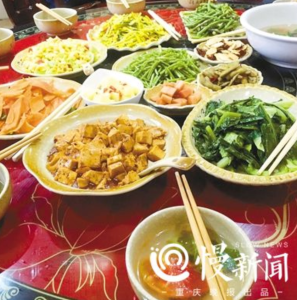
Delicious vegetarian dishes enjoyed by these cyclers @crl.net

2. Can only vegetarian participate?

This time, after cycling back to his hometown, because he has his own business in Jiangsu, he found it unrealistic to devote all his time to cycling. “Each segment of the journey lasts 7 days. I participate in 4 of them. After all, I have to take time to go back and take care of my work. When exiting from Wuxi, we had 22 people — friends of all ages in various industries, including college students, entrepreneurs, doctors, etc. Some have left, while new people have joined.

Upon arriving in Chongqing, the group consisted of 19 people, and 7 planned on completing the entire ride. Among those taking part in the journey, some have been vegetarian for over ten years. Those who are not vegetarians are also welcome, as long as they are willing to participate and eat vegetarian during the journey.

Screen Shot 2018-09-14 at 4.54.37 PM
@crl.net

3. Vegetarians don’t have enough nutrition?

Jiang Yucheng said that during the ride, both their vegetarian diet and exercise are carried out scientifically. The team plans the route for the next day in advance everyday and adjusts according to road conditions. Their diet plan has been designed by dietitians to ensure sufficient nutritional supply.

All information comes from Xinhua News: http://www.cq.xinhuanet.com/2018-09/10/c_1123404607.htm

All photos come from crl.cn: http://cq.cri.cn/20180910/f1f9af08-c725-41c8-6661-8ab67a495c31-3.html

Translated by Sherry Yao and edited by Riley Peng @ Animal Dialogue

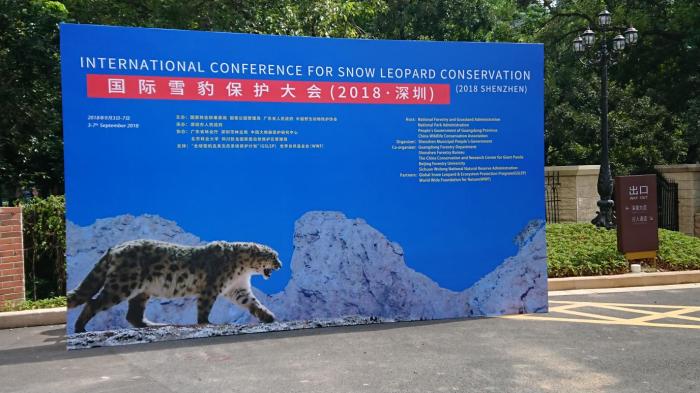
The 2018 International Conference for Snow Leopard Conservation

Since the 2013 Global Snow Leopard Forum, snow leopard range countries and international partners have actively promoted the implementation of the Global Snow Leopard and Ecosystem Conservation Plan (GSLEP) and achieved remarkable results. However, this species is still threatened by habitat degradation, climate change, poaching, etc. Insufficient knowledge on its status and population is a roadblock for future conservation efforts.

Pic2

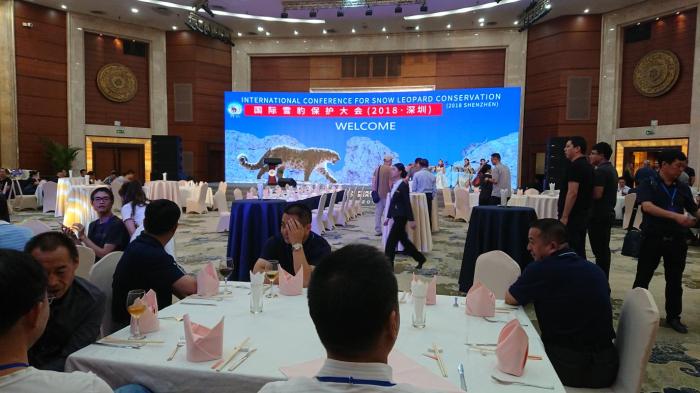
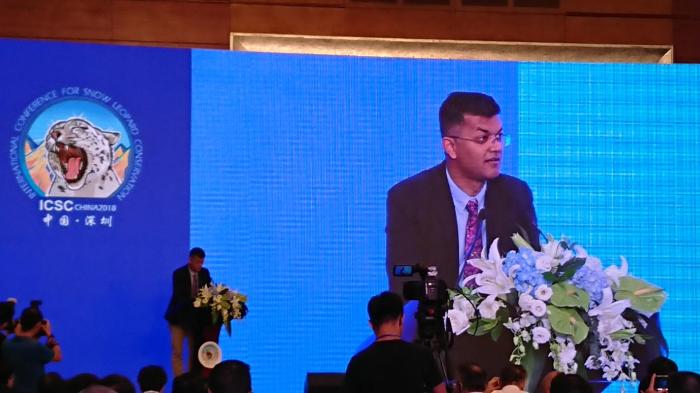
Following the 3rd meeting of the Steering Committee Meeting of GSLEP in June 2018, the National Forestry and Grassland Administration of China (NFGA), National Park Administration (NPA), together with China Wildlife Conservation Association (CWCA) and the People’s Government of Guangdong Province, held the next International Conference for Snow Leopard Conservation (ICSC) in Shenzhen, China from September 3rd -7th.

Government representatives, snow leopard conservation scholars from different research areas, and frontline staff were all invited to the conference. They all came from different countries in Central and South Asia (Afghanistan, Bhutan, China, India, Kazakhstan, Kyrgyzstan, Mongolia, Nepal, Pakistan, Russia and Tajikistan, Uzbekistan), where most snow leopards are distributed in.

pic4
Koustubh Sharma, a representative from the Instruction Office of Global Snow Leopard & Ecosystem Protection Program (GSLEP)

The conference aimed to provide a platform for exchanging experience and knowledge to further enhance the academic and political communications between different countries, as well as to promote research on snow leopards conservation.

Another goal of the conference was to reach the “Shenzhen Consensus,” to bring all the governments together to collaborate on snow leopard conservation in the future. “Shenzhen Consensus” has been approved without opposition in the conference on September 5th.

The conference mainly focused on the following topics:

1. The population density and distribution of snow leopards and their preys
2. The threats snow leopards in different countries and areas are currently facing
3. The regular and developing methods used to study snow leopards
4. Interspecies relationships in the habitats of snow leopards and the ecological importance of snow leopards in these ecosystems
5. Species conservation based in local communities
6. Successful examples of snow leopards conservation

Information gathered by Huiyuan Qi, as well as from Dute News

All photos taken by Huiyuan Qi

Translated by Dule and edited by Riley Peng @ Animal Dialogue
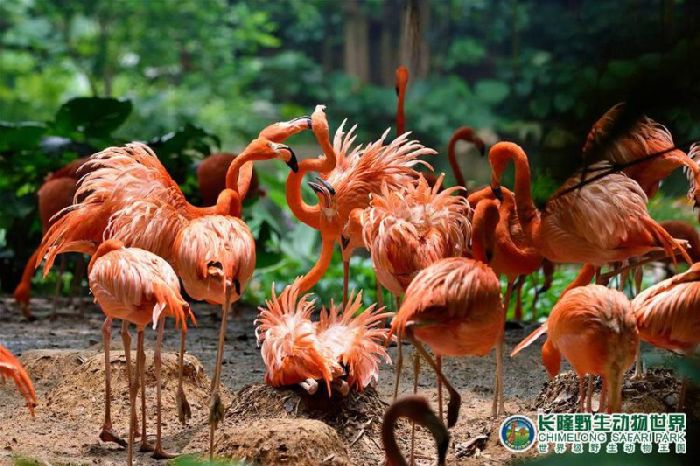
Chimelong Safari Park launches “AR Zoo” in 2018

On July 31st, Chimelong and Baidu jointly held an event to officially launch the “Chimelong AR Zoo” app, an ongoing collaborative project. The two companies are working together to build the very first AR Zoo in the world, providing future visitors with more diverse ways to tour the park.

According to the meeting, the new app is a product of the developing Augmented Reality technology. It is based on many AI techniques from Baidu, such as AR rendering and image recognition. The project has just released the app’s first three main services, including Animal Introduction, AR Camera, and AR Walking Navigation.

1

“Animal Introduction” can automatically explain information about animals during the tour. The app also enables visitors to feed and control the movements of the animals, enhancing the interaction between tourists and animals.

“AR Camera” can enable visitors to go on virtual tours around the park and interact with rare species. It also allows visitors to take photos with animals.

“AR Walking Navigation” provides a map of all the buildings and exhibitions in the park, helping the visitors find their way quickly.

Nianhan Wang, the vice CEO of Chimelong, states that the two companies will have more collaborative, innovative projects to provide more smart services for enhancing the visitors’ experiences.

All information and photos come from Bendibao.com: http://m.gz.bendibao.com/tour/242918.html.

Translated by Lele and edited by Riley Peng @ Animal Dialogue

Fuxi Animal Hospital brings free veterinary clinics to the community

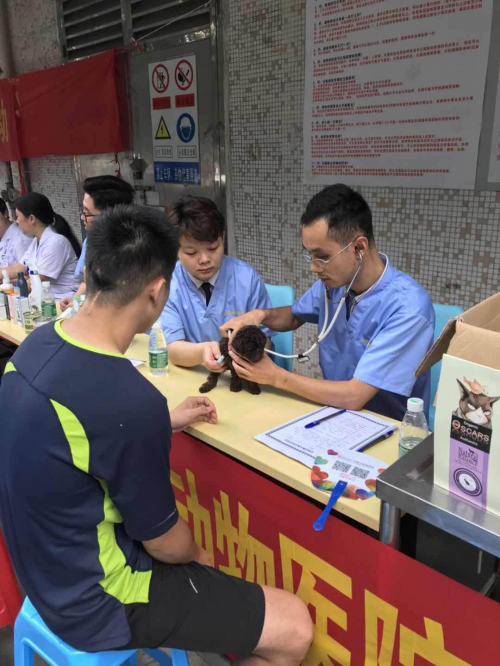
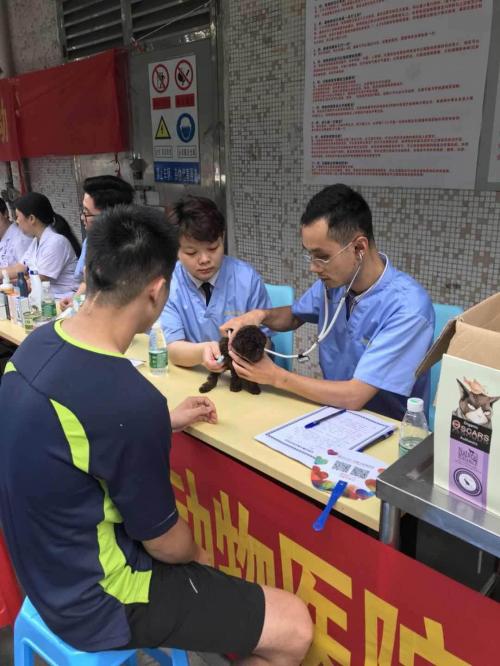
On July 13, 2018, in order to promote scientific methods of raising pets and preventing animal diseases, Fuxi Animal Hospital and the Judean Community Neighborhood Committee hosted free medical consultation sessions for animals at the South Gate of the Judehuayuan Community in Tianhe District, Guangzhou.

The theme is “Harmonious Community, Civilized Science, and Pets,” which enables the community residents to learn how to scientifically raise their pets. At the same time, the event provides support services for community stray animals, and collaborate with the local community to create a safe and comfortable living environment for both the residents and their pets.

1

On the same day, seven senior physicians from the Fuxi Animal Hospital set up a general medical examination desk for providing free full-body physical examinations to animals. The items examined included: body weight, body temperature, body condition, level of consciousness, behavior, body posture, ear examination, eye examination, nose, mucosal color, cavity, teeth, skin coat, palpation of the abdomen, limbs, joints, auscultation of the heart and lungs, etc.

In addition, the event taught the residents general pet knowledge and how to take care of young and old sick animals, handled dog certification for community residents, and popularized vaccines, deworming, and zoonosis.

2nd

In recent years, as the number of pet families increased, the number of stray pets also increased. To foster a harmonious community, Fuxi Animal Hospital actively provides support services for stray animals. It implemented a half-priced stray animal sterilization program, as well as a half-priced stray animal disease diagnosis and treatment plan.

3rd

Fuxi Animal Hospital said that it intends the free clinic activities to advocate for a more civilized way of raising pets, to build a harmonious community environment, and to provide care and love for stray animals. It hopes that these activities will help the residents better understand their pets, and improve the emotional exchange and communication between residents and their pets.

All information and photos come from gogochina.cn (click to view source).

Translated by Sherry Yao and edited by Riley Peng @ Animal Dialogue
Rosy starlings came to build their home in a construction area in Xinjiang, causing an advanced highway construction project to pause

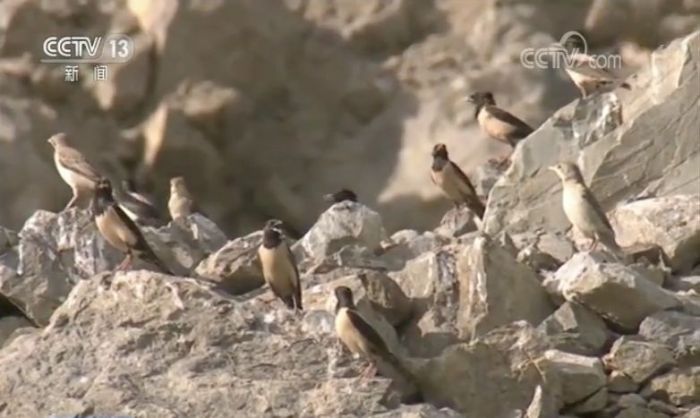
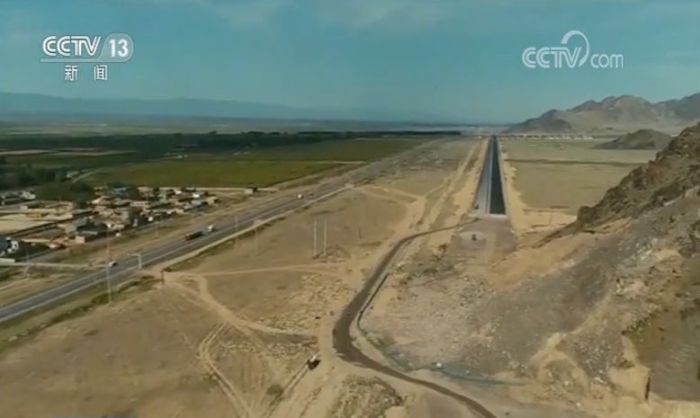
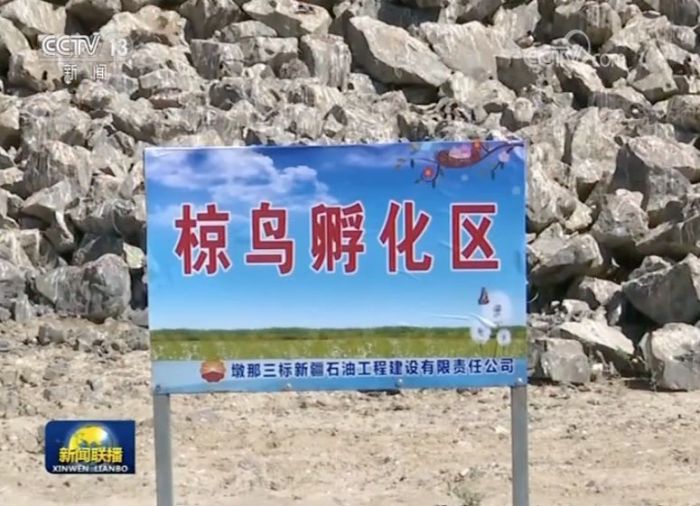
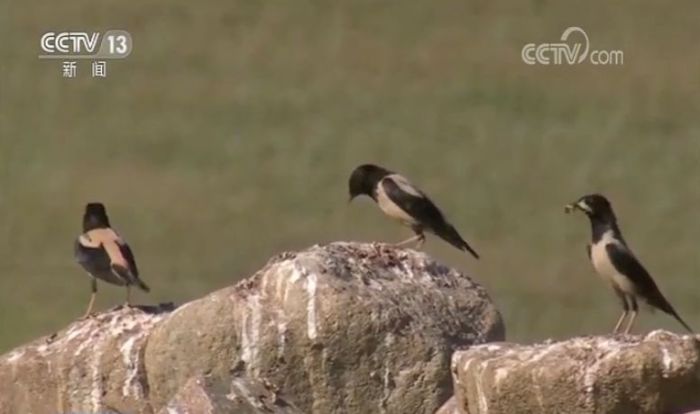
In Nilka, Xinjiang, nearly 74 million dollars had been invested in a highway construction project. But to the workers’ surprise, the gravels at the construction site had attracted a flock of rosy starlings to build their home here and breed the next generation. What’s more, because these birds had decided not to budge from their nests, the construction project had to halt because of them. What on earth had happened?

Rosy starlings caused a halt in the construction project

Xinjiang is the main breeding ground in China for rosy starlings. Every year from May to July, rosy starlings come here to breed their next generation. This year, these birds happened to choose to build their nests within the highway construction area in Ili, Xinjiang.

1

In the beginning, when the huge flock of rosy starlings had arrived at the construction site, the workers felt very confused. Later, they invited ornithologists to the site, who discovered what species these birds were and the fact that they were at their breeding season. Rosy starlings like to build their nests near gravels and small caves, but they won’t stay there forever. It only takes a month for the young starlings to grow up. After the conclusion of that month, they will migrate with their parents to the south. However, for this 74-million-dollar project, a month is definitely a long time.

2.jpg

Dongjun Jiang, the chief engineer of the project, said: “It is very hard to stop such an enormous project because many factors — such as labor, materials, equipment, and construction timeline — are involved. These friendly birds had been a headache for the construction team. However, rosy starlings hold important economic and research values. They are worth our protection. Therefore, the local government, as well as the construction team, decided to halt the project.”

Dongjun Jiang stated that the construction project will resume after the rosy starlings have moved away.

The local villagers had built homes for these starlings

The construction project had stopped, but the workers haven’t. They have been building protection webs for the birds. In fact, the local villagers in Ili, Xinjiang, have also been quite supportive.

4.jpg

The reporter visited a village and learned that more than 50 out of the 440 families in this village have rosy starlings breeding in their backyards. Erijan Ye have been building his new house, but a month ago, several rosy starlings had already built nests over the bricks that he originally intended to use for his building new house. To avoid disturbing them, Erjiang had to buy new bricks.

5.jpg

The local villager, Erjiang said: “Rosy starlings had built their nests on our bricks a month ago. Since we do not want to damage their eggs and nests, I bought new bricks for the house. This year, the villagers have been gathering stones and moving them to areas typically frequented by large numbers of locusts, so that more rosy starlings can be attracted to those areas and breed there.”

Rosy starlings are “locust killers”

Rosy starlings like to eat locusts, and they possess a big stomach and good appetite. Each adult bird can consume 120 to180 locusts. In many parts of Xinjiang, farmers have been using large amounts of pesticides to kill locusts, but doing so had been highly costly, as well as threatening the environment and rosy starlings. After making various comparisons, biologists realized that rosy starlings can be a better biological pest control method. Indeed, this solution yielded much better results.540.gif

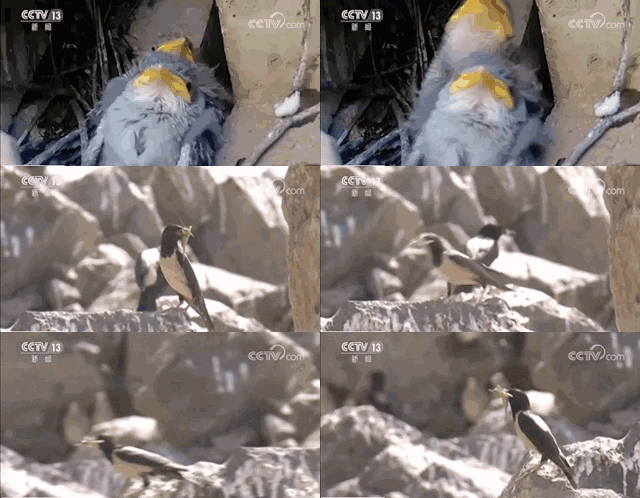
The photographer happened to take this picture of adult rosy starlings breeding chicks during an interview on the highway. The baby birds were waiting for their parents to feed them.

The reporter learned that, over the past ten years, 17 huge rosy starling nests were built over 140,000 acres of farmland in Nilka which were heavily infested with locusts. Thanks to these starlings, the locust population has been effectively controlled.

6.jpg

It is now the breeding season for rosy starlings. It will take a month for the young starlings to grow up. And after a month, the starling families will move to South Asia.

All information and photos come from The Paper and CCTV News: https://www.thepaper.cn/newsDetail_forward_2268845.

Translated by Lele, and edited by Riley Peng @ Animal Dialogue
 

The establishment of China’s first farm animal welfare charity award

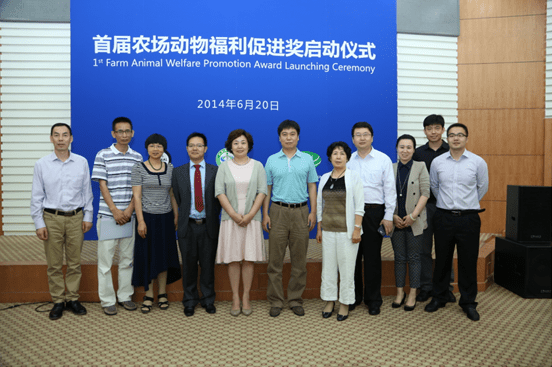
On the morning of June 20th, the launching ceremony of the “Farm Animal Welfare Promotion Award” was held at the Chinese Academy of Agricultural Sciences. This award is the first public welfare award for farm animal welfare in China, jointly sponsored by the World Animal Protection Association (World Animal Protection), the China Veterinary Association (CVMA), and the China Agricultural International Cooperation Promotion Association (CAPIAC).

The ceremony was hosted by Zili Jia, Secretary General of the Animal Welfare Health Services and Welfare Branch of the China Veterinary Association.

1
@FeedTrade.com

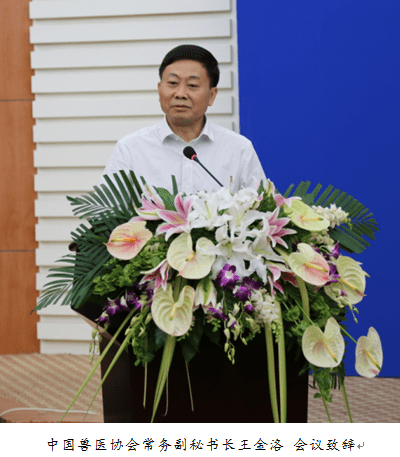
In a subsequent speech, Jinluo Wang, Executive Deputy Secretary General of the Chinese Veterinary Association, introduced that World Animal Protection was established in 1981, and has dedicated itself to animal protection for over 30 years. Headquartered in London, it is active in more than 50 countries around the world. The organization actively promotes the concept and practice of animal protection. Internationally, holding a comprehensive consultative status with the United Nations ensures that animal protection is included in the global issues that need to be addressed, explaining to the world that animal protection is mutually beneficially for both humans and nonhuman animals.

Jinluo.png
Jinluo Wang speaking at the launching ceremony @FeedTrade.com

China is a big producer of animal products. In order to promote the enactment of animal welfare legislation, the China Animal Welfare Association was established in 2013. It has demonstrated its commitment to the advancement of animal welfare by executing various animal welfare projects.

Mr. Zhonghua Zhao, China’s Chief Representative of the World Animal Protection Association, remarked that just like humans, animals also have morality and emotions. China’s cultural inheritance should also include animal protection.

Moreover, animal welfare standards must be adopted by the livestock industry in the near future. The “Farm Animal Welfare Promotion Award” aims to promote the implementation of animal welfare standards in slaughterhouses and other enterprises.

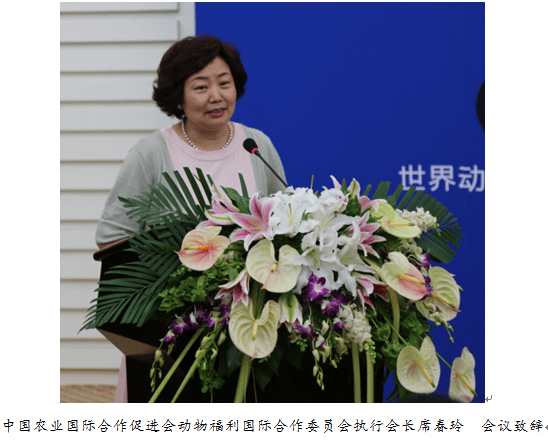
Chunling Xi, Executive Director of the China Council for the Promotion of International Cooperation of Animal Welfare (ICCAW), explained that prior to this ceremony, the ICCAW conducted a questionnaire among the masses. The survey results show that welfare animal farming in China has a high degree of public recognition: 84% of those surveyed are willing to purchase welfare-rated products, and 70% are willing to purchase welfare-rated products at a price 10% higher than non-welfare-rated products.

Therefore, she hopes that these animal welfare prizes will make the public more acceptive of animal welfare.

12.png
Chunling Xi speaking at the ceremony @FeedTrade.com

Professor Xianhong Gu, an animal welfare expert for 20 years, reported to the guests and media outlets present at the ceremony the significant progress China has made in farm animal welfare. At present, China’s farm animal welfare standards have been promulgated, in conjunction with the launch of relevant national scientific research plans.

All information and photos come from FeedTrade.com:
http://www.feedtrade.com.cn/news/enterprise/2014-06-24/2017950.html

Translated by Sherry Yao and edited by Riley Peng @ Animal Dialogue
To protect wildlife, Baidu blocked 53 users and shut down 33 Post Bars

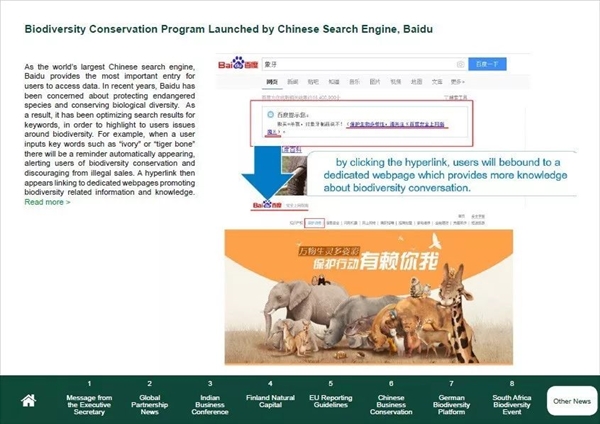
On March 7th, 2017, Baidu launched the “Baidu Biodiversity Protection Project” to cleanse the Baidu Post Bar, an online community bound tightly to Baidu’s search service. For a long time, many wildlife product traders had used Baidu Post Bar to post or exchange trade information without any restriction. This illegal trade hasn’t been terminated until this year.1

According to the latest data, up until now, Baidu has deleted 197,000 posts about the illegal wildlife product trade, shut down 33 Post Bars, and permanently banned the accounts of 53 users. Harmful information and thousands of pictures on Baidu’s other user platforms, such as Baidu Knows and Baidu Library, have also been blocked by Baidu.

All of these actions aim to protect endangered animals such as elephants, pangolins, bears, rhinoceros, and tigers.

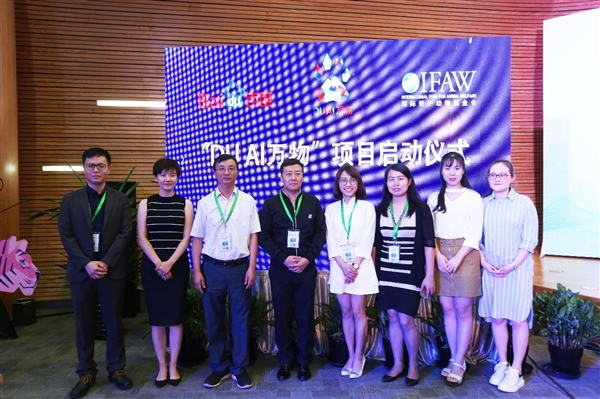
On June 22nd, 2018, Baidu cooperated with the International Fund for Animal Welfare to launch the “DU AI All Life” ( which means “Baidu Loves All Life”) project. The two parties will utilize their respective advantages to protect biodiversity and explore the applications of internet technology in the area of wildlife crime prevention.2

This was the achievement of the second phase of Baidu’s biodiversity protection project. Over the past year, Baidu has joined hands with government authorities and NGOs to contribute to biodiversity protection.

At the International Biodiversity Day Memorial in March 2017, Baidu cooperated with China’s Ministry of Environmental Protection on the DUVA project. Baidu was the only internet company to attend this conference.

From September 25th to 27th, 2017, TRAFFIC, a world wildlife trade monitoring network, invited Baidu to attend Oxford University’s illegal wildlife trade conference. Baidu’s accomplishments in biodiversity protection were collected by the Secretariat of Convention on Biological Diversity and published as a brief report, which was sent to over 20 member countries.5

On November 22nd, 2017, Baidu, in conjunction with 8 other Chinese internet companies, including Tencent and Alibaba, launched the first Chinese internet company league aiming to attack the illegal online wildlife trade.4

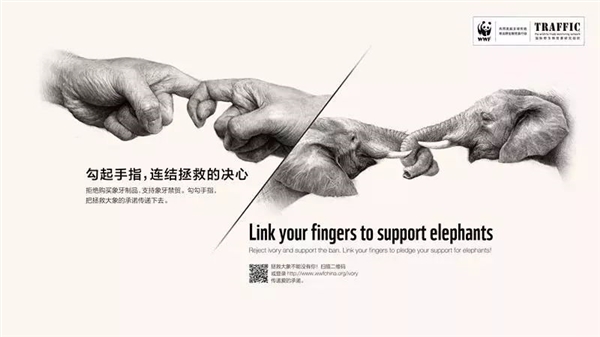
In January this year, Baidu cooperated with WWF to hold a “Make a Pinky Promise with Celebrities” event to spread the spirit of resisting ivory products.

Baidu has promised to continue trying its best to protect biodiversity with its advancements in internet technology.

All information and photos come from TechWeb: http://www.techweb.com.cn/internet/2018-06-28/2680030.shtml

Translated by Victor Du and edited by Riley Peng @ Animal Dialogue

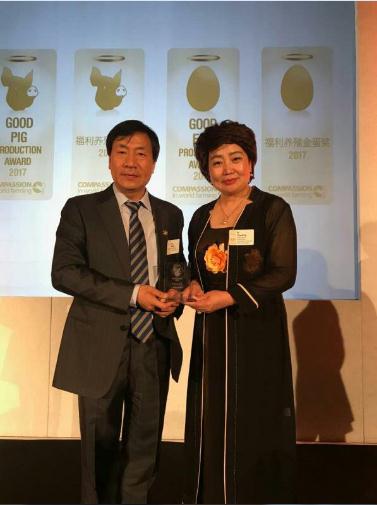
Chuying Agro-Pastoral Group awarded with the “Good Pig Production Award”

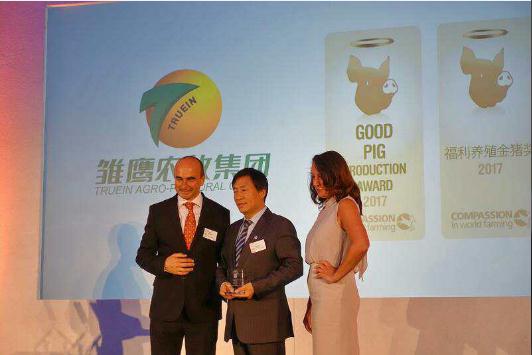
On June 28th, Chuying Agro-Pastoral Group has been honored with the “Good Pig Production Award.” This is the third time for the Group to win this award signifying international recognition.

Compassion in World Animal Farming, or CIWF, has awarded the Group because of its commitment to “green” and humane farming methods for meat pigs and sows.1

The Group really cares about the health and well-being of its pigs, taking measures to ensure their comfort.

For instance, experts have prepared a customized daily schedule for each pig. In the summer, the pigs would go outside to sunbathe. In the summer, the pigs would go indoors to stay warm. Whenever they are thirsty, they can drink premium spring water. Whenever they feel hungry, they can eat high-quality soy and corn, and snack on fresh, seasonal vegetables.

In 2014, China Association for the Promotion of International Agricultural Cooperation, or CAPIAC, collaborated with CIWF to introduce the “Good Pig” award into China. Chuying Agro-Pastoral Group was the first enterprise to be honored with the award.

Subsequently, under the guidance of CIWF, the Group has continued to improve the welfare standards for its pigs. The Group ensures that during the transportation process, its pigs would not suffer from the bumpiness of roads. Before being slaughtered, they listen to Buddhist scriptures to stay emotionally calm. They are also euthanized instead of inhumanely slaughtered.2

“Now, many farmers proactively promote welfare pig farming,” said Wuqun Hou, Vice Chairman of Chuying Agro-Pastoral Group. The concept of welfare animal farming has now become much more widely recognized in Chinese farms.

All information and photos were obtained from Sina.com: http://finance.sina.com.cn/roll/2017-06-29/doc-ifyhryex5412855.shtml

Learn more about the Good Pig Award here: https://www.compassioninfoodbusiness.com/awards/good-pig-award/

Summarized and edited by Riley Peng @ Animal Dialogue