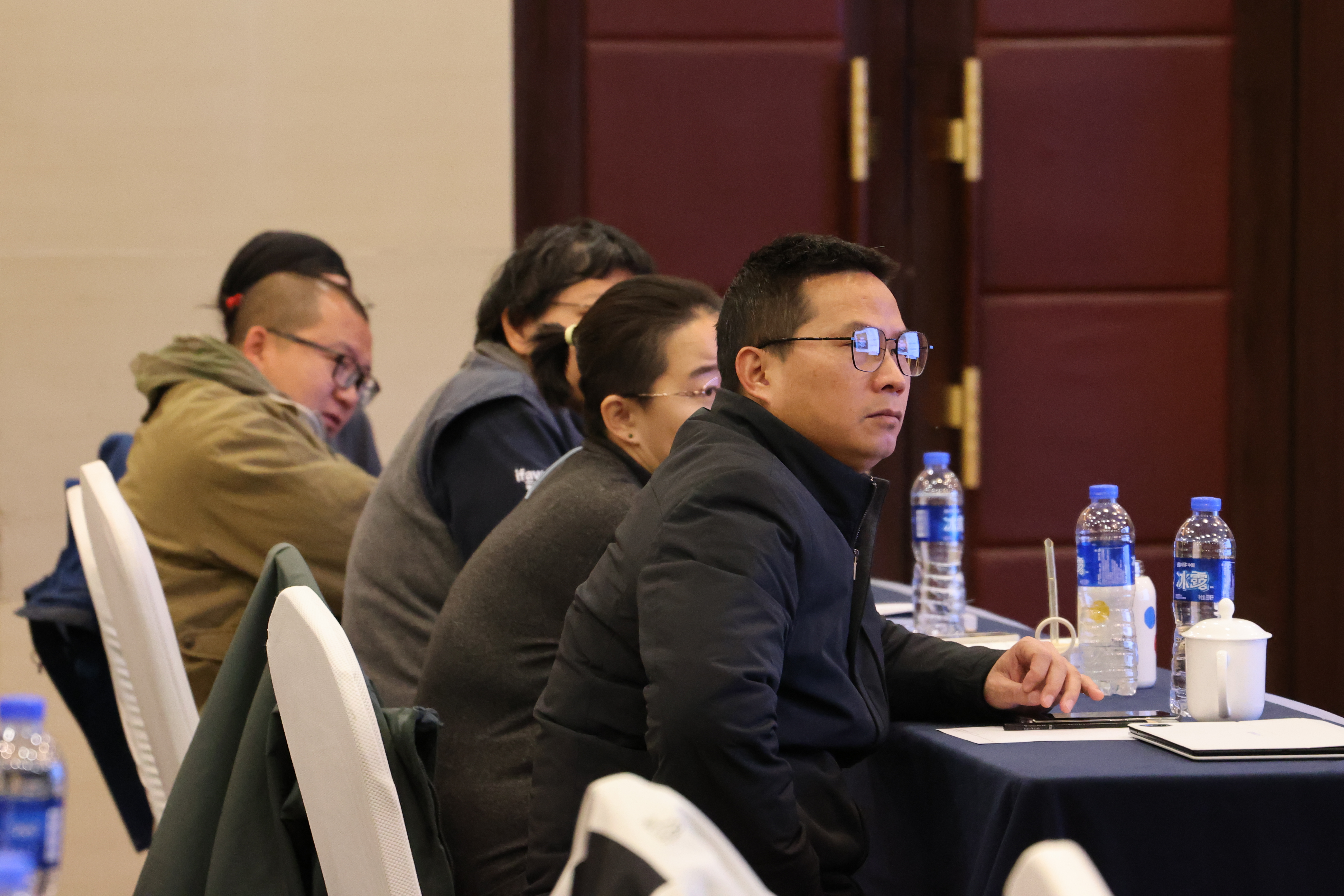
December 12, 2025 — As China’s national park system continues to develop, the need for setting standards of domestic wildlife rescue practices is becoming more and more imminent. This year, we partnered with Dr. Sara Childs-Sanford and Dr. Cynthia Hopf-Dennis from Cornell University College of Veterinary Medicine to share cutting-edge international rescue standards and practices in Nanjing through a systematic framework. Iva (Yufei) Pan, co-director of Elefam and a master’s student in the NYU Animal Studies Program, served as the Project Director.
This systematic curriculum was designed by Elefam for the Third Wildlife Rescue and Rehabilitation Training Workshop from December 3 to December 6, 2025, which was co-hosted by the International Fund for Animal Welfare (IFAW) and (held at) Nanjing Hongshan Forest Zoo.
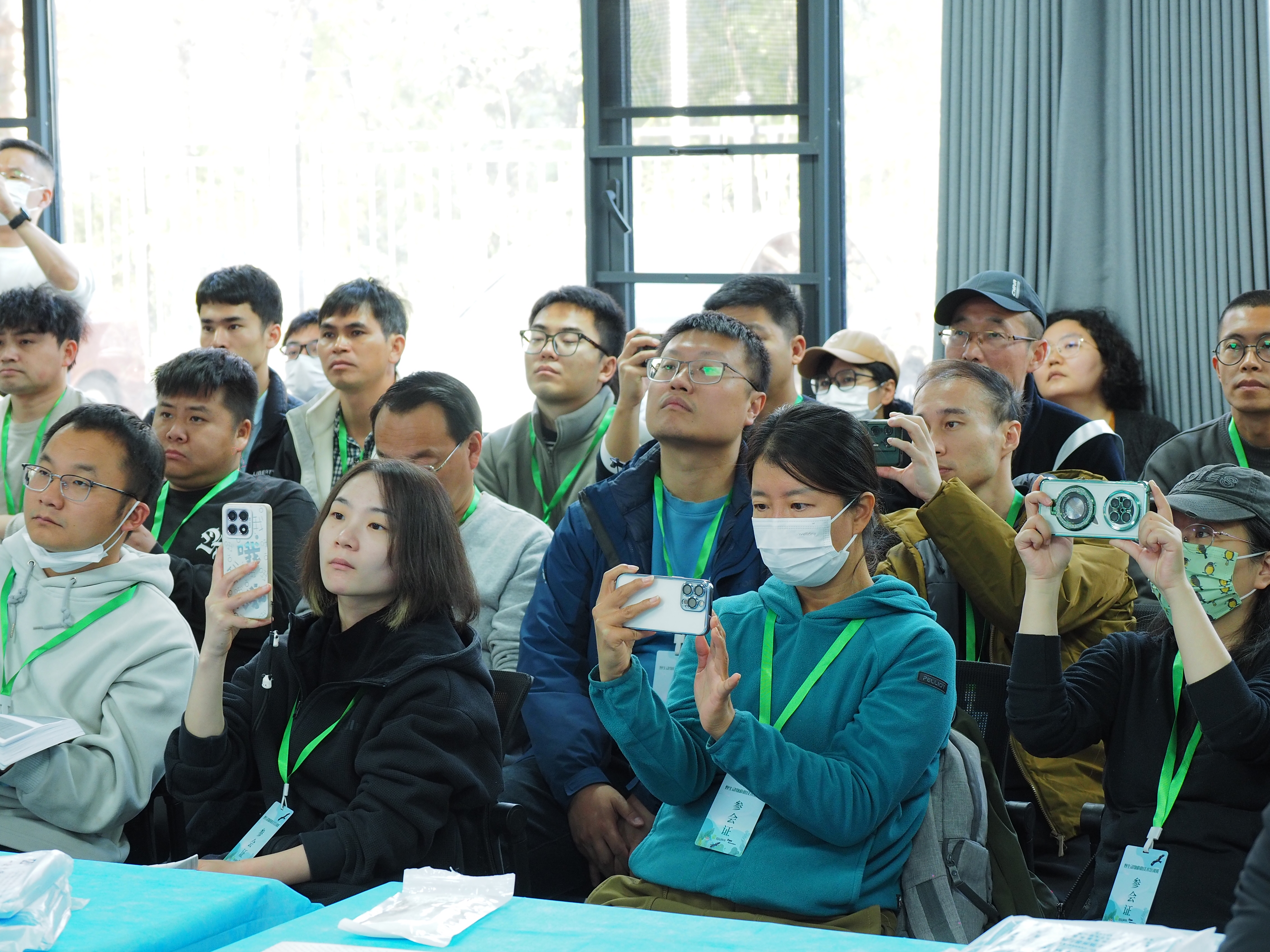
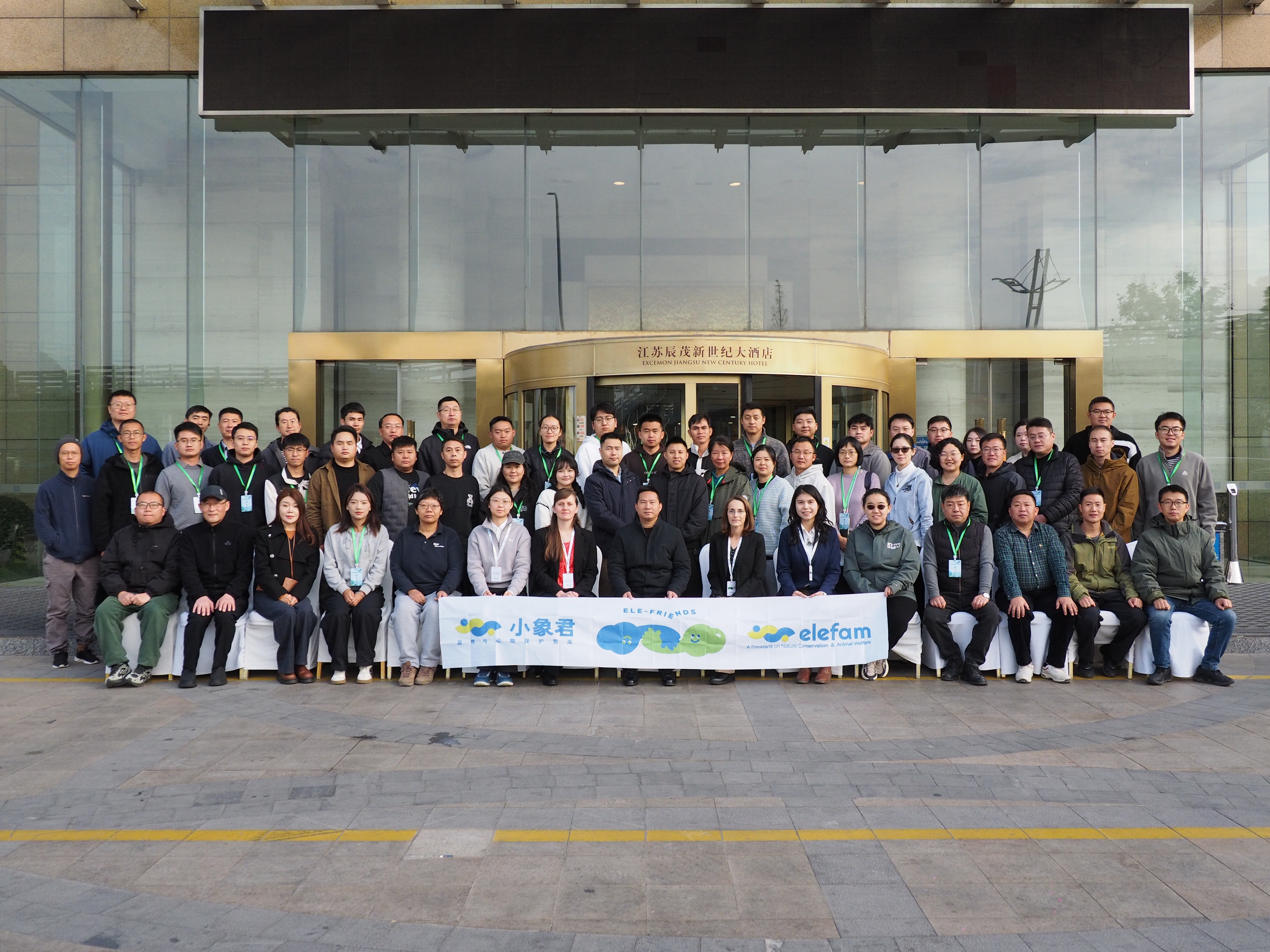
The four-day training attracted over 50 participants from more than 27 organizations across China. This event had impacts of more than a veterinary training session; it was part of an initiative to help specialize and standardize China’s wildlife rescue system, enabling it to meet standards of international criteria.
The training curriculum was compiled by Elefam member and clinical veterinarian Dr. Katherine Rubinstein (Zhou Ying), and coordinated by Adela Li (Li Yanqi).
🌟 Four Key Highlights of the Training
1. 13 Core Courses: Addressing High-Frequency Challenges in China
Based on the specific needs of local rescue personnel, Elefam designed a competency model creating a practical series of courses ranging from avian emergency care and orthopedic stabilization to reptile/amphibian anesthesia and clinical diagnosis.
2. Guest Lecturers from Cornell University College of Veterinary Medicine: Integrating Theory with Practice
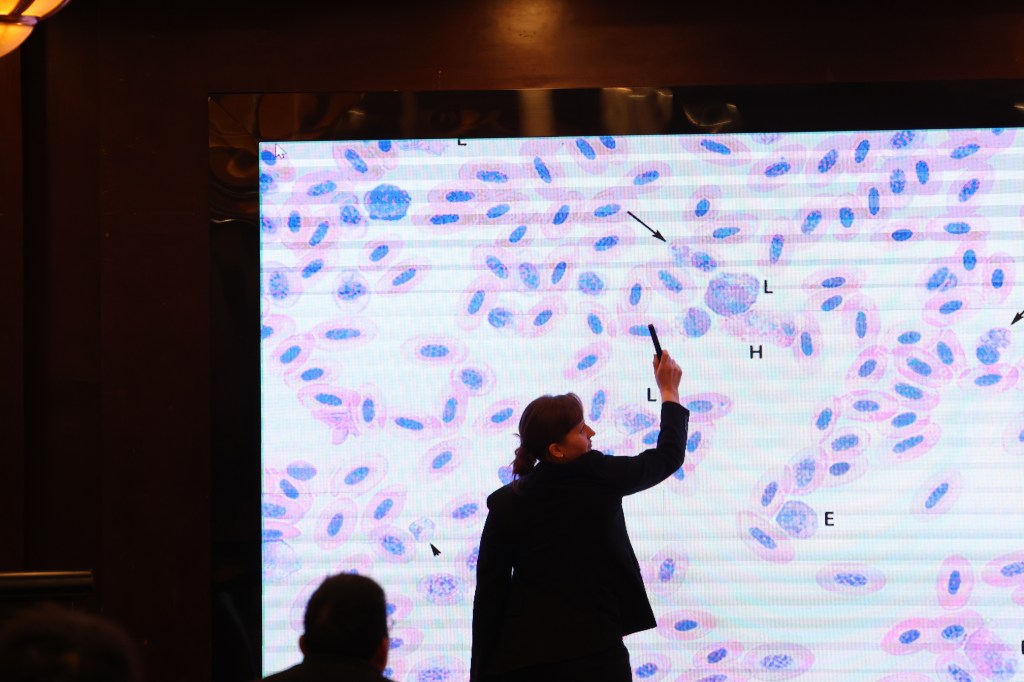
Experts from Cornell were invited as special guests to modularly integrated their knowledge into the curriculum, helping trainees understand both rescue pricipless and the veterinary medicine knowledge behind them.
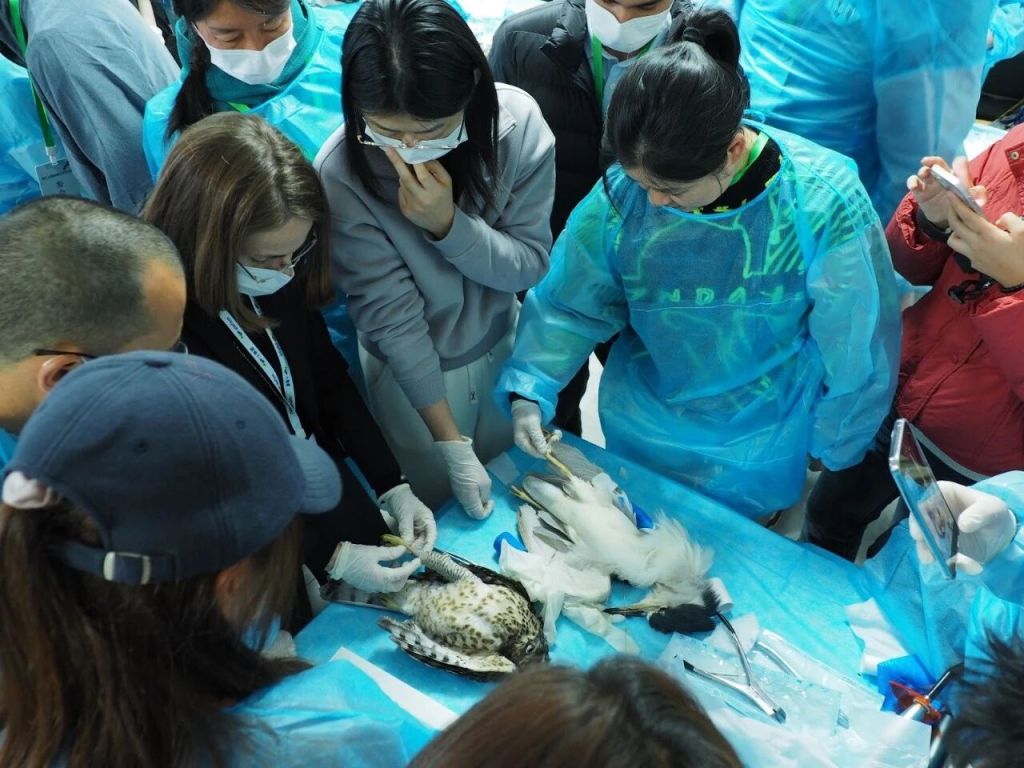
3. Avian Fracture Repair Practical Workshop: Turning Theory into Muscle Memory
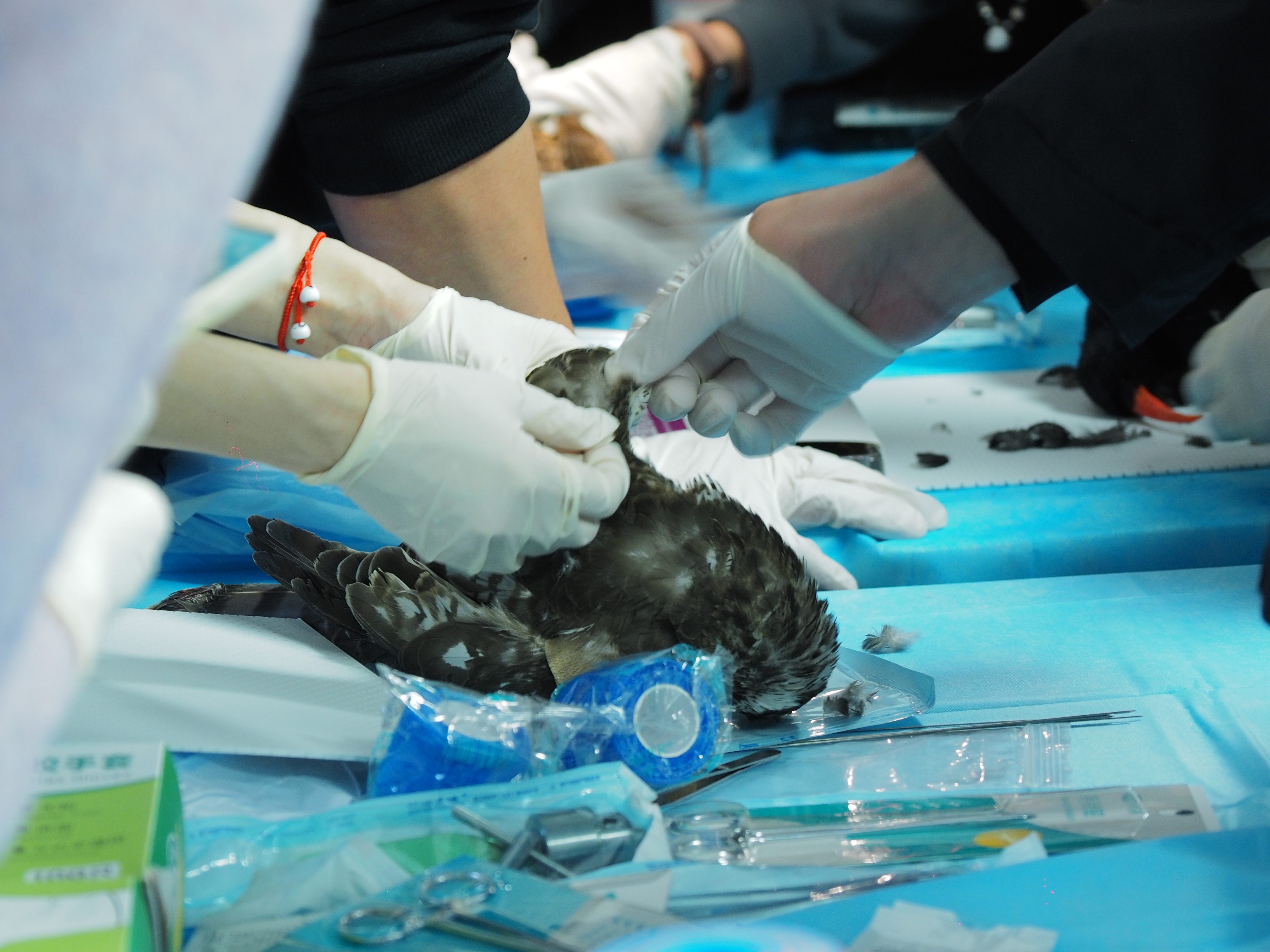
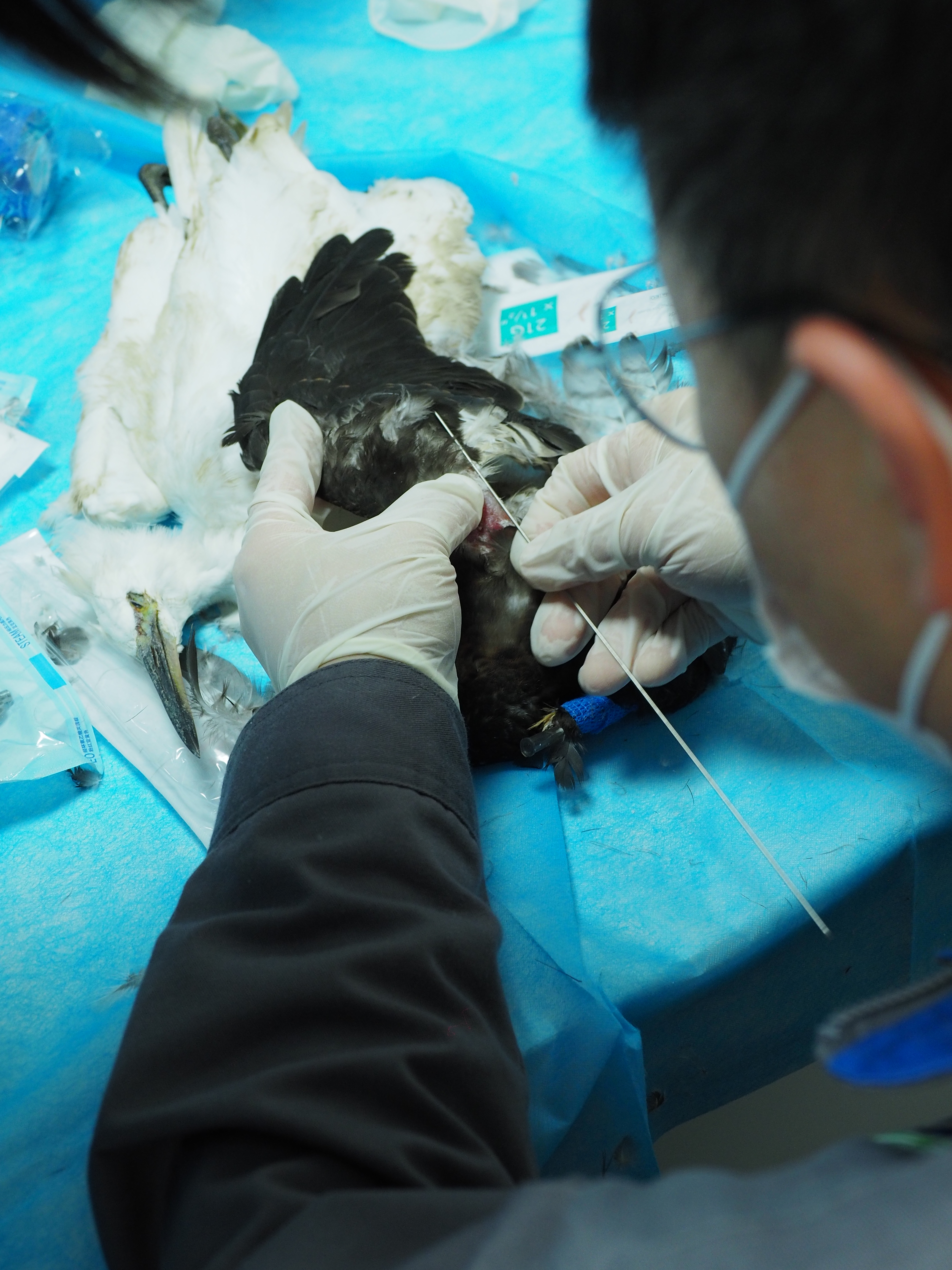
By introducing the use of external fixators, the placement of intraosseous catheters, and bandaging techniques, the hands-on practical lab allowed trainees to bridge the gap from “knowing” to “doing.”
4. 27+ Institutions Represented Nationwide: Promoting the Standardization of Rescue in China The training drew representatives from zoos and national park rescue centers across the country, fostering inter-institutional exchange and helping to set future standards for rescue standards.
🤝 Invited International Experts: Facilitating Technical Exchange
The course featured experts from the Janet L. Swanson Wildlife Hospital at Cornell University: Dr. Sara Childs-Sanford and Dr. Cynthia Hopf-Dennis. They brought not only technical skills but also clinical thinking methods for wildlife rescue and care, as well as decision-making models for diagnosing and treating injured animals.
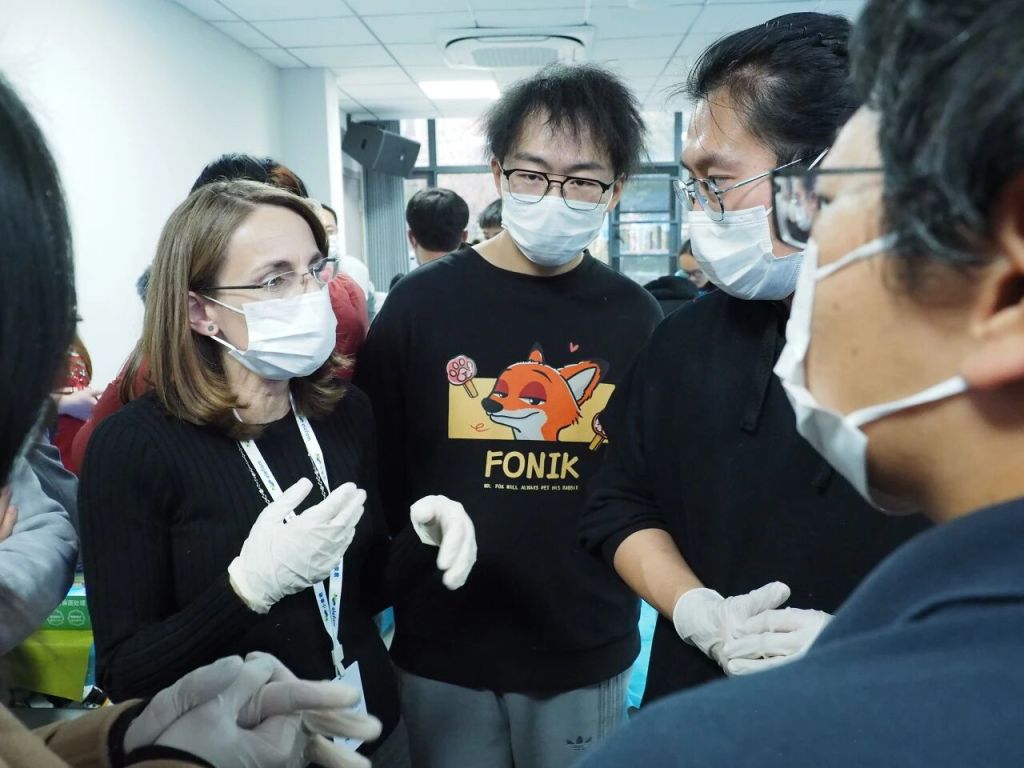
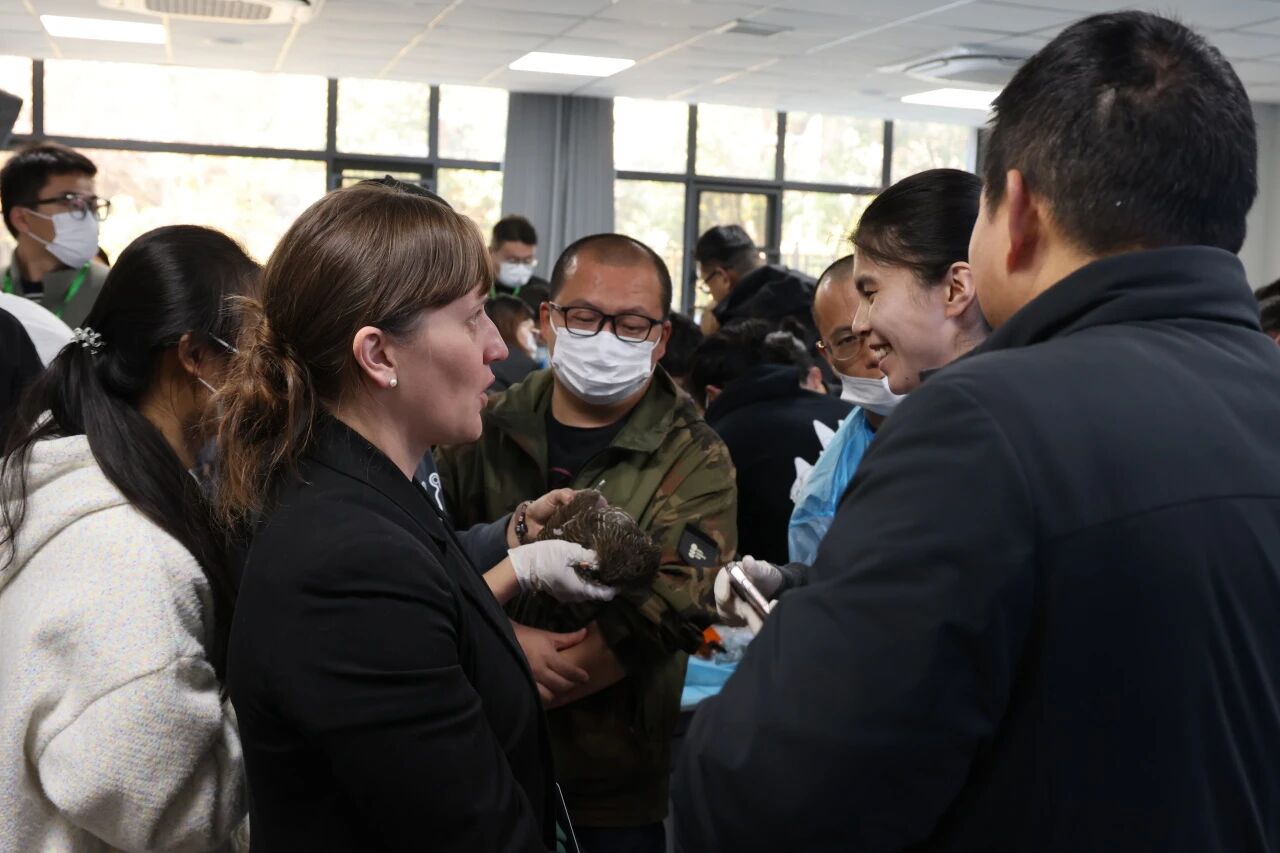
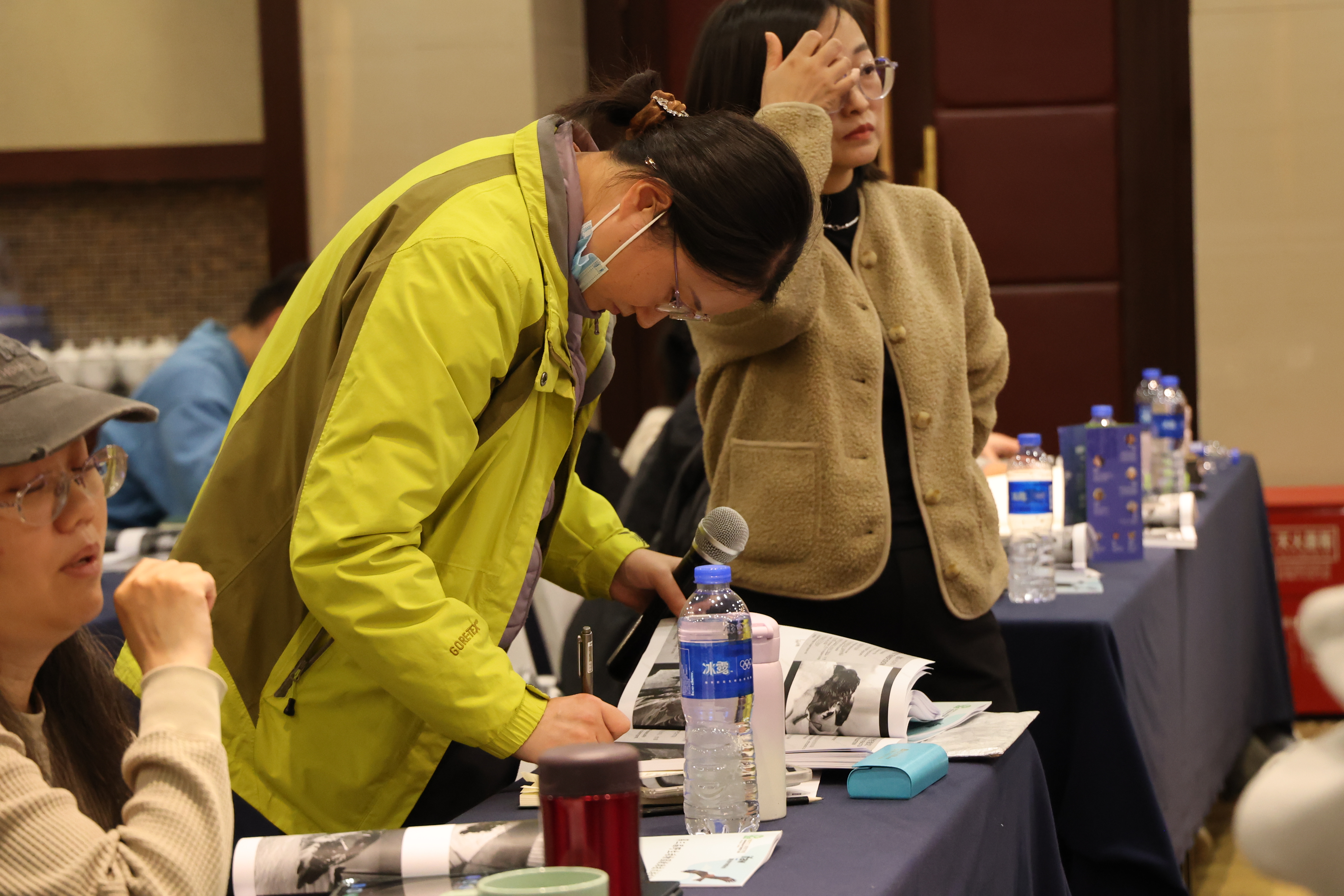
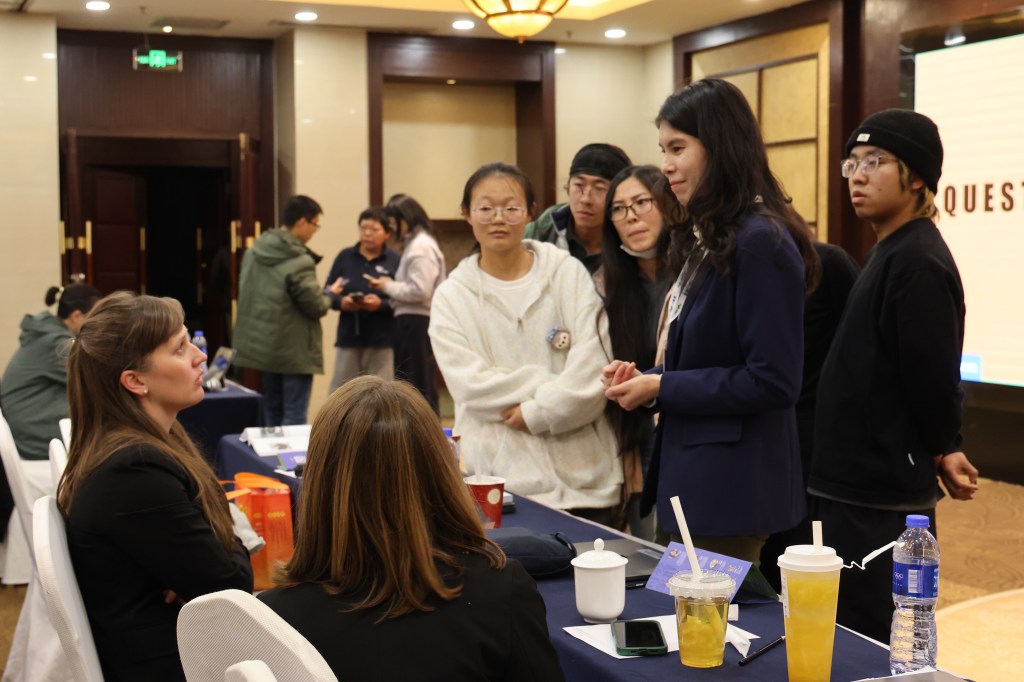
Dr. Sara Childs-Sanford exchanging ideas with frontline wildlife rescue practitioners and trainees.
🐦 Learning About Avian Fracture Repair: From “Knowing How” to “Actually Doing”
As one of the most popular segments of the training, the Avian Fracture Repair Workshop allowed participants to practice the following techniques on-site:
Principles of stabilization using external fixators.
Placing intraosseous (IO) catheters correctly.
Correct application of the Figure-8 bandage.
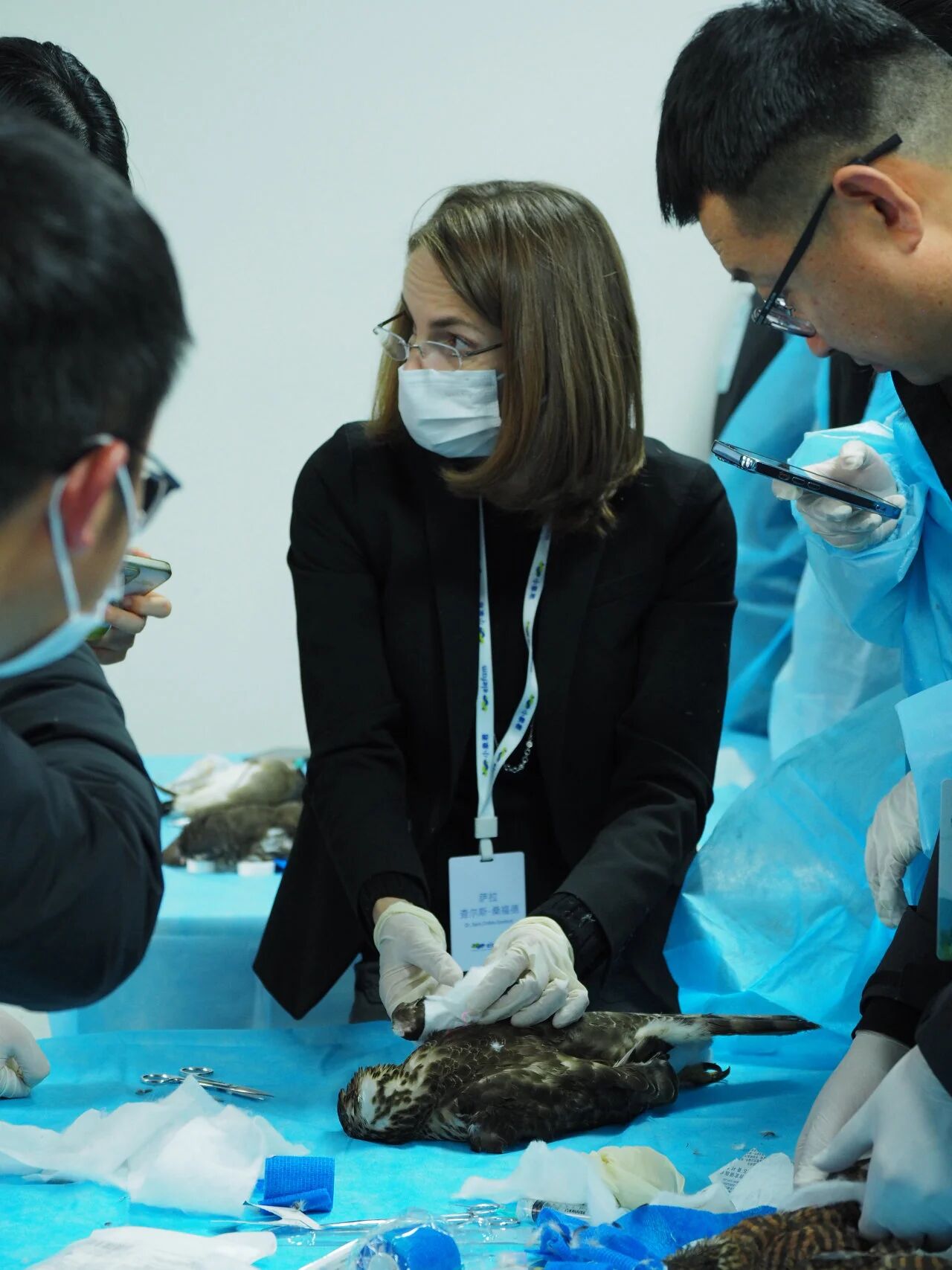
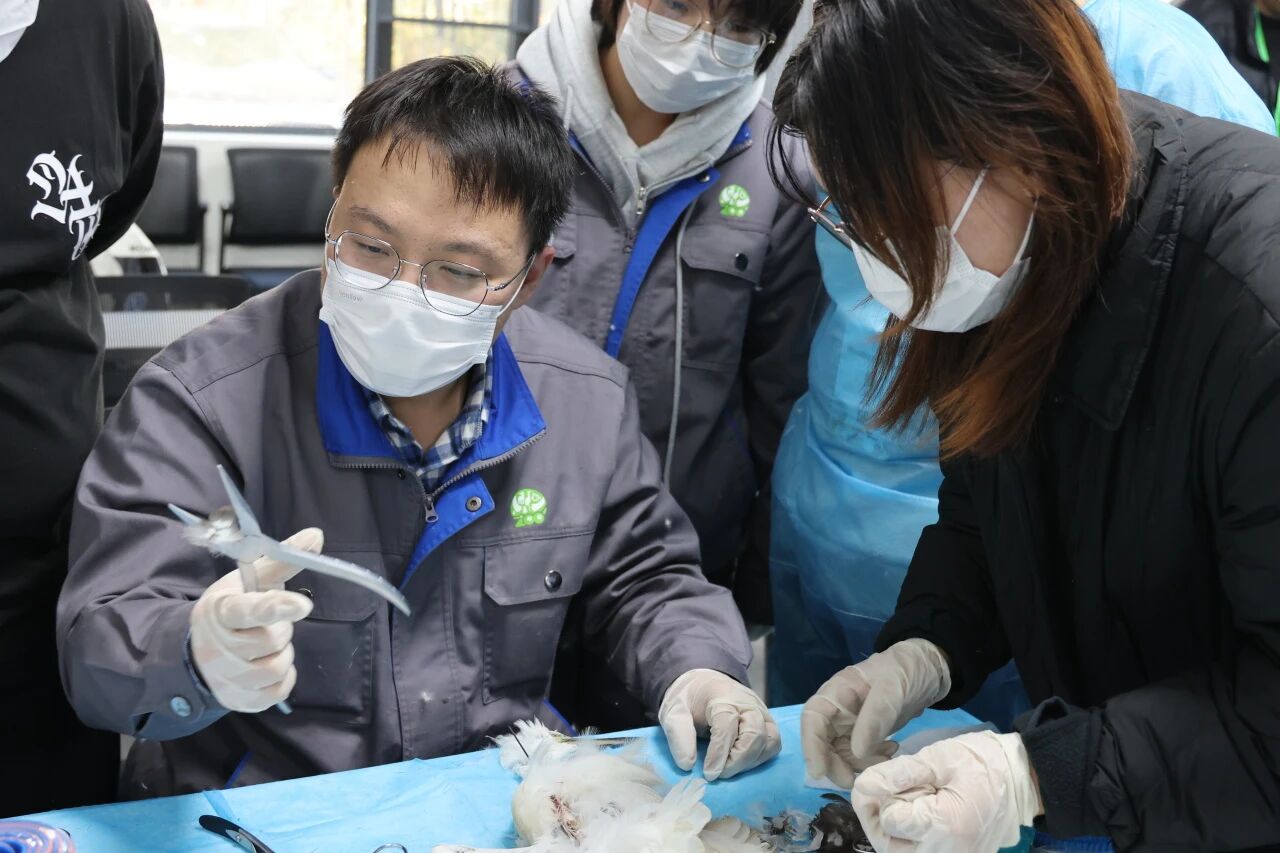
Placement of an external fixator for avian fractures during the workshop; Trainees attempting to place internal fixator in bird wings and practicing fracture bandaging techniques.
We designed a series of courses centered on “frontline pain points” for rescuers, veterinarians, and animal care staff.
Emergency Management:Emergency Management: In the Emergency Management of Avian Wildlife lecture, Professors Childs-Sanford and Hopf-Dennis introduced techniques for placing intraosseous catheters, which students were able to practice in the following practical labs. Participants were impressed by this novel and practical first-aid method.
Specialized Species: In the Principles Guiding Care of Wild Reptiles and Amphibians course, trainees learned about the unique anatomical structures and drug administration methods for herpetofauna.
Global Context: In the Wildlife Medicine in Conservation lecture, Dr. Rubinstein shared insights on wildlife hospitals around the world and the challenges they have, analyzing the opportunities and challenges faced by wildlife conservation in China.
Anesthesia: The Anesthesia and Analgesia series for birds and reptiles provided an understanding of commonly used drugs for sedation and pain management.
The curriculum focused on cultivating three core competencies:
Emergency judgment and practicing principles for practitioners.
Avian orthopedics and stabilization techniques.
Rescue capabilities for special species (reptiles and amphibians).
“The course offered theoretical guidance, case studies, and practical trainings. It had strong pertinence for frontline rescue work.”
— Li Meirong, Vice Director of Nanjing Hongshan Forest Zoo
🌏🐘 Elefam’s Mission: Building a Talent Pipeline for Conservation
Following the training, participants expressed a strong interest in further advanced courses and regular training sessions, and the future establishment of a professional resource network.
Elefam focuses not just on a single training event, but on the long-term growth of local conservation talent. Over the past decade, Elefam has continuously strived to:
Systematically cultivate and mentor conservation talent.
Facilitate international conservation resources exchange.
Construct an interdisciplinary conservation knowledge system.
Currently, we are proud to have 72+ members and alumni spread across various fields of global sustainable development and conservation. Since its establishment in 2015, the organization has launched a series of interdisciplinary conservation career development courses—including “Urban Ecology,” “One Health,” “Ecology in Modern Context,” “Community Street Animal Managment,” and “Wildlife Conservation on the Qinghai-Tibet Plateau”—training a cumulative total of 1,200+ individuals for frontline conservation work both domestically and abroad.
“The future of nature and animal conservation lies not elsewhere, but in people. The future of talent requires systematic support and sustained power.”
In the future, we will continue to facilitate international exchange, promote the standardization of rescue technologies, support institutions in building case study systems, and continue to cultivate the next generation of professional talent.
As urbanization accelerates, both elderly people living alone and younger generations increasingly seek companionship from animals. Companion animals have become important members of many households. According to statistics, China now has approximately 150 million companion animals and nearly 70 million pet owners. In May 2020, the Ministry of Agriculture and Rural Affairs released the National Livestock and Poultry Genetic Resources Catalog, formally reclassifying cats and dogs as companion animals rather than traditional livestock. As the pet market continues to expand – and in the absence of comprehensive anti-cruelty legislation – many issues remain unresolved.
In August this year, Elefam , in collaboration with Dacheng Xiaocun and PIDAN, launched the Inter-species Writings Workshop in Chengdu’s Beilei Community. Through lectures, field observation, community-based learning, and on-site writing, the workshop offered practitioners, enthusiasts, community residents, public-interest workers, community builders, creators, and the broader public an integrated curriculum on animal protection and ethics.
In August 2024, I traveled to Chengdu’s Beilei Community to participate in the “Animals in Community: Inter-species Writings Workshop.” The phrase Inter-species writing workshop on the poster first grabbed my attention. I was especially curious: how could nonfiction-oriented methods – observation, interviewing, writing – be woven into public-interest advocacy?
The program consisted of three parts: theoretical lectures, fieldwork in Chengdu, and nonfiction writing. Participants could join flexibly, online or offline, for the full program or individual sessions.
The online lecture, “The Trajectory of Multispecies Ethnography,” was a conversation between Oxford anthropologist Eben Kirksey, UCL anthropology PhD Yang Bo, and LSE anthropology PhD Zhou Yufei. Kirksey argued that multispecies anthropology moves beyond traditional anthropology’s human-centered lens to foreground the entangled relationships between humans and other life forms.
Wang Po, Associate Professor of Philosophy at Shandong Normal University and translator of Animal Communities, introduced the history and current state of animal ethics, outlining how ethicists around the world argue for animal rights. Through global examples of multispecies communities, he posed a sharper question: How can we pursue animal rights in a non-ideal world?
Meanwhile, Princeton PhD and Arizona State University professor Chen Huaiyu approached the subject through religion, examining how Buddhism, Daoism, Confucianism, and folk beliefs shaped animal representations in medieval China – and how cultural residues hide behind vivid animal tales in Buddhist scriptures. As he wrote in “The Origins and Aims of Animal History”:
“European natural history centers on ‘nature’; Chinese natural studies center on ‘things’… The study of animals in Chinese natural history should be understood as premodern historiography – philological research aiming to classify and understand animals.”
With interdisciplinary theory in place, field practice became even more essential.
The offline sessions were held in Chengdu’s Beilei Community, a well-known example of community revitalization—part of the broader “Yulin” area familiar to many visitors. Inside this revived neighborhood, shared creative spaces, lively weekend markets, and animal-friendly zones created fertile ground for a workshop centered on coexistence and co-creation.
Classes took place in a café adjacent to the Beilei farmer’s market. A bright floor-to-ceiling window split the everyday bustle of the market from the curated aesthetic of the café. Through the glass, one could see Chengdu aunties carrying their baskets through the redesigned market; inside, writers, animal advocates, designers, and social workers gathered to explore the lives of companion and community animals through anthropology, nonfiction writing, art, and fieldwork.
Workshop Activity: Creating recipes suitable for both humans and pets.Participants and mentors enjoying the vegetarian meal arranged by the workshop.The ice-breaking session at the workshop’s opening ceremony.
Nonfiction writer Yuan Ling delivered a talk on “Animals in Nonfiction Writing.” Having grown up in rural Shaanxi, Yuan drew from real encounters between villagers and wildlife, and between families and their dogs. In his work, even the harshest realities contain tenderness:
“My cousin leaped across the stream first, then stretched out his hand to pull me over. The dog hesitated, my cousin crouched down and reached out as he had to me – so the dog jumped too…”
Beyond theory, Yuan acted as a field mentor – guiding students through interviews while quietly observing the community’s everyday human–animal interactions.
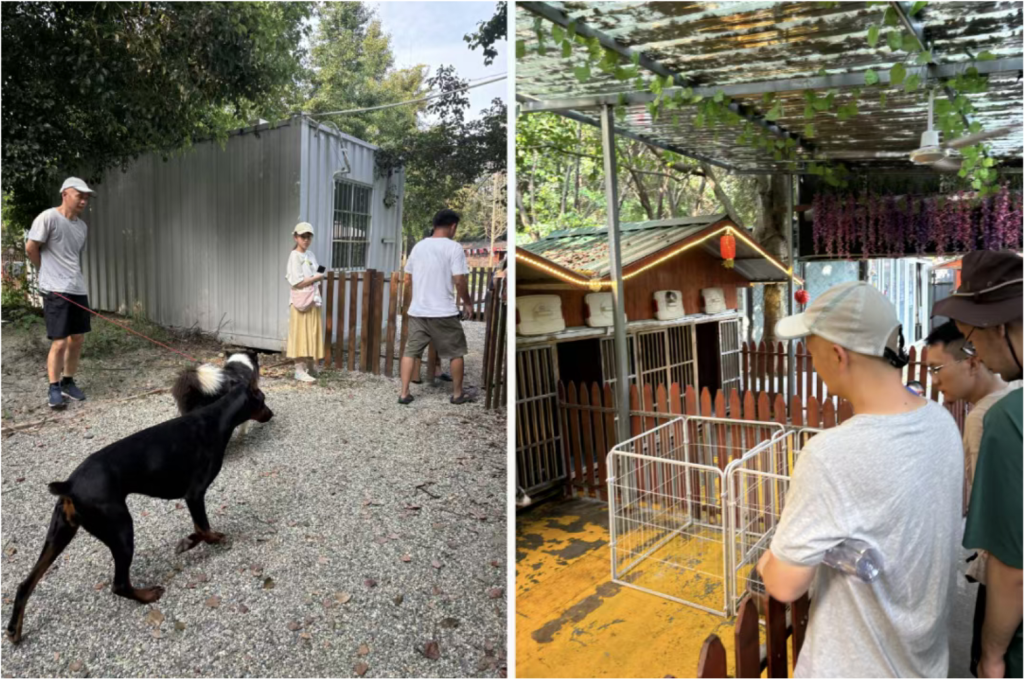
Writer Yuan Ling lectures on ‘Animals in Non-fiction Writing’ and joins participants for field research at a dog training center.
LSE anthropologist Zhou Yufei, whose award-winning nonfiction chronicles two years of fieldwork in Tibetan regions—working in dog shelters, assisting with births, speaking with herders—accompanied participants throughout the workshop. She emphasized learning not only from people but also from animals themselves:
“Take what human teachers give you, but approach the animals and see how they respond.”
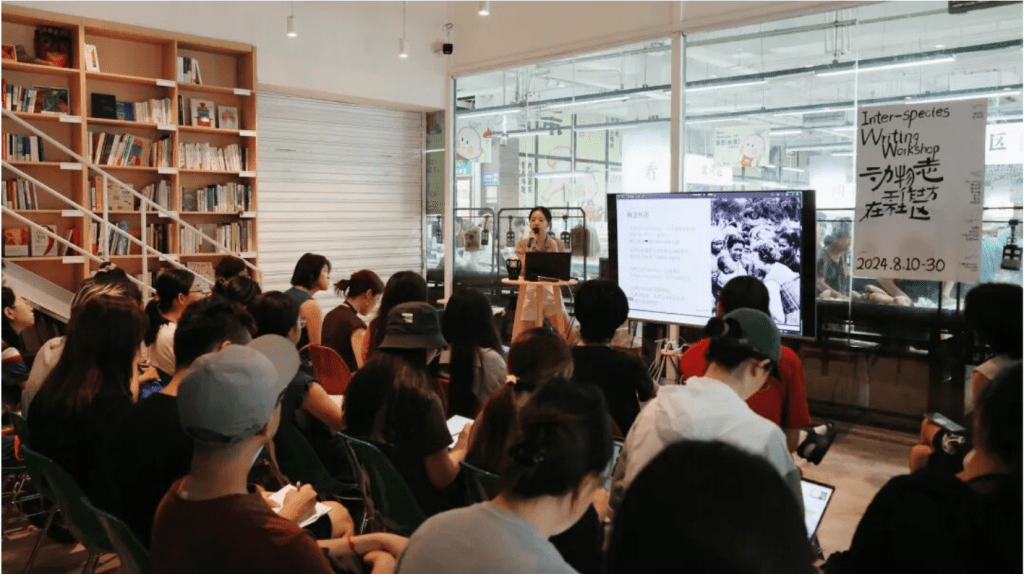
Zhou Yufei lectured participants on ‘Fieldwork and Writing Methods in Multispecies Ethnography.
Workshop director Pan Xueyun explained the program’s intention:
“Even with anthropology, religion, humanities theory, and community animal governance in place, I still hoped the final output would be a story. Effective public advocacy cannot rely solely on didactic messaging – it must come from real interactions between humans and animals. Nonfiction is powerful in this way.”
Participants engaged in community walks to observe resident–animal relationships. Whether chatting with an uncle walking his dog or an elderly woman feeding stray cats, students encountered deeply memorable stories.
A “shared recipe for people and pets” activity highlighted the connection between caring for animals and caring for oneself. A class on dog behavior brought local residents and their pets into the workshop, making the space lively and participatory.
Taiwanese scholar Mr. Qian Yongxiang visited the workshop.
During the final day, participants attended a talk by Taiwanese scholar Chien Yung-hsiang. When one attendee’s cat showed signs of stress, several workshop students gently raised a question during the event: In promoting “pet-friendly” spaces, are we prioritizing human desires over animals’ own needs?
After the workshop, participant Wu Yi submitted a nonfiction piece titled Lives in the Corners of the City, documenting the story of Beilei’s “cat granny” who cares for community cats.
“During fieldwork, I found myself shifting from observer to listener, even participant. Feeding cats together became a passageway into another person’s world, and writing was the only way to honor that experience.”
The Inter-species Writings Workshop showed how interdisciplinary knowledge, field immersion, and storytelling can deepen public understanding of human–animal relationships. It offered not only technical knowledge in ethics and conservation but also emotional insight—reminding us that protecting animals begins with seeing, listening, and writing with care.
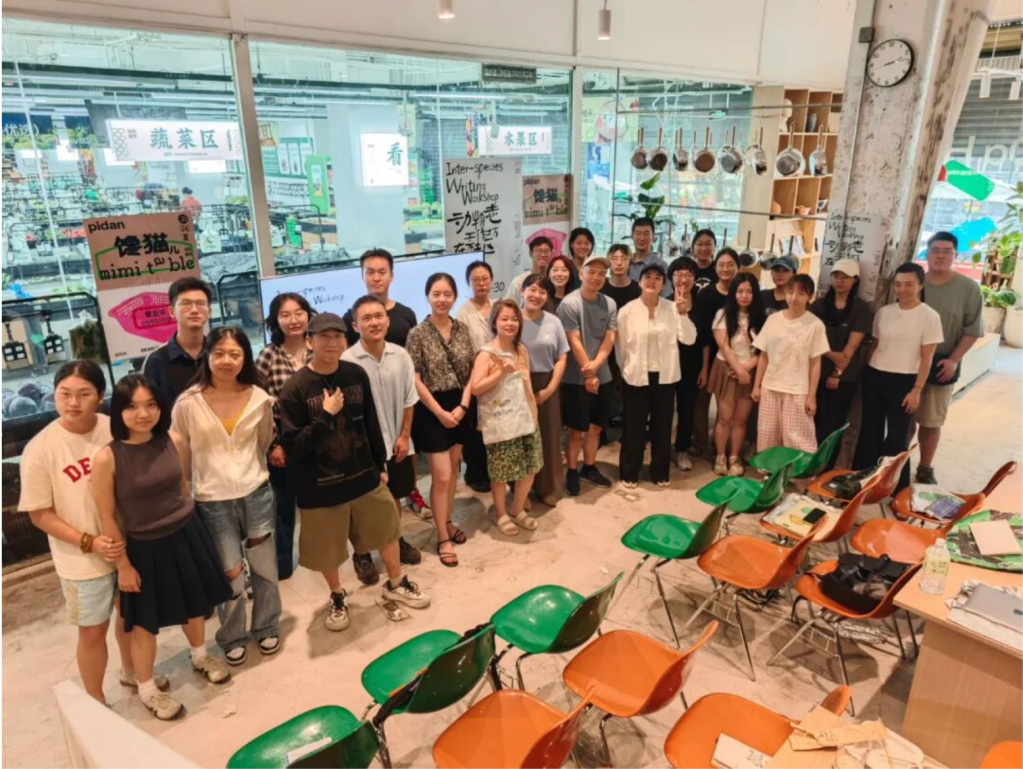
Group photo at the closing of the workshop.
Text by Ming Xingchen, Writer/Contributor.
Primary Focus: Non-fiction reporting/journalism.
Areas of Work: Interviews and profiles, cultural reporting, and commentary writing.
Specialization: Dedicated to collecting and documenting fascinating local customs and the preservation of Intangible Cultural Heritage (ICH) across various regions.
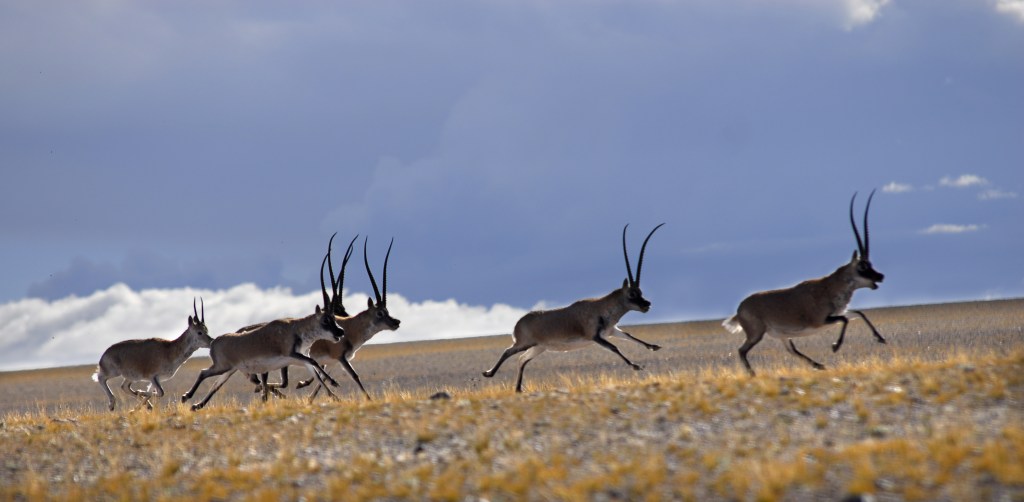
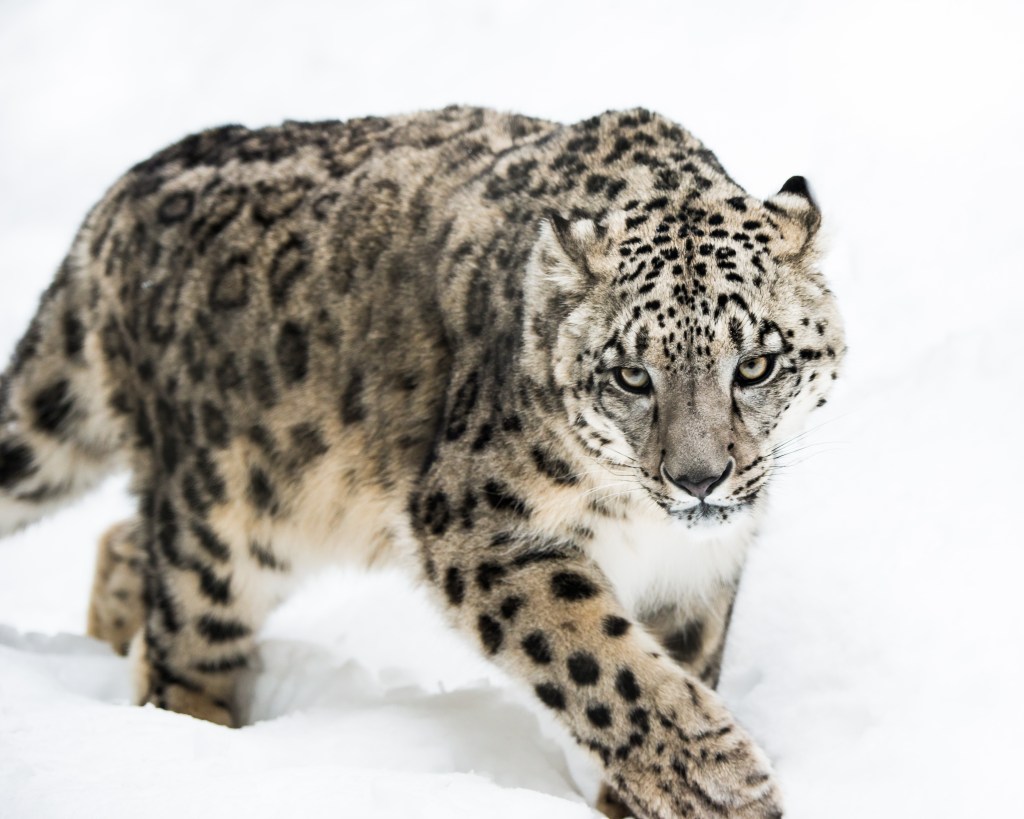
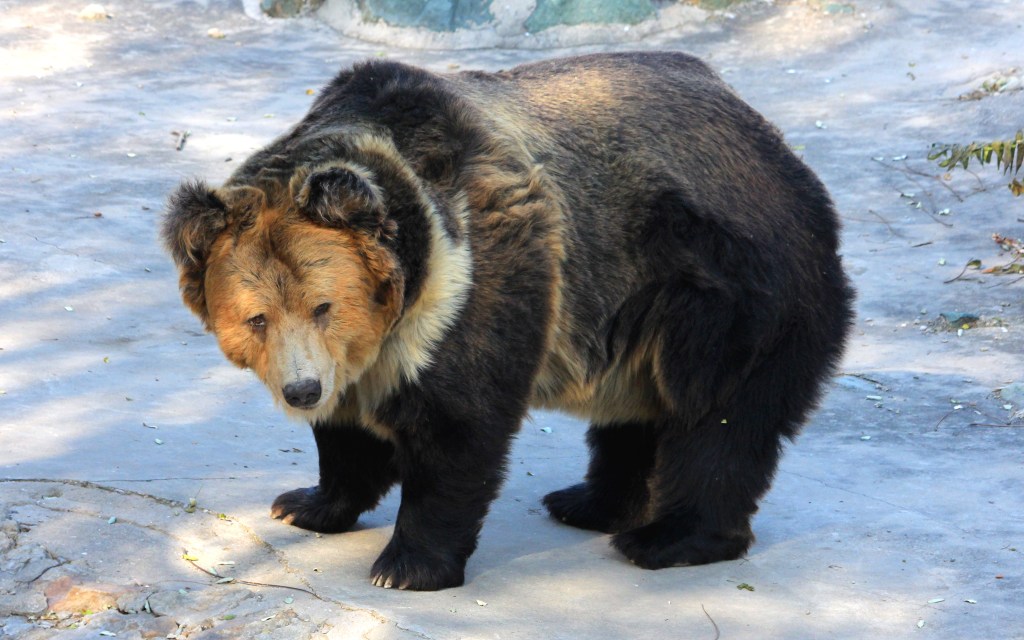
Taking the Tibetan antelope, snow leopard and brown bear as examples, the course discusses the application and interaction of modern science and traditional culture in wildlife conservation.
Chapter titles and descriptions:
The Long Pursuit: introduces the methods of ungulate population survey, differential resource utilization, and the impact assessment of natural factors (such as snowstorms) and human activities (poaching and fencing), taking the Tibetan antelope as an example.
The Alpine Ghosts: using the snow leopard as an example, this chapter introduces the population survey methods of large carnivores, discusses the relationship between large carnivores and biodiversity, and explains the role of flagship species in biodiversity conservation.
The Brown Bear in the Room: taking the brown bear as an example, this chapter introduces the manifestation, causes and effects of human-animal conflict on the Qinghai-Tibet Plateau, and discusses the effects and limitations of technological and economic means in alleviating the human-animal conflict.
Tibetan Blue Bear
The Dwellings of the Gods: taking the sacred mountain of Amne Machin in the Yellow River basin as an example, this chapter introduces the research progress in the natural sanctuary, discusses the relationship between cultural diversity and biodiversity, and examines the interaction between traditional culture and modern science in biodiversity conservation.
Snowcapped Amne Machin Mountain in Qinghai, China
The Wasted Opportunities: taking the Dulan International Hunting Ground as an example, this chapter introduces trophy hunting practices in Western China, discusses the pros and cons of hunting in wildlife conservation, and explains the premise of wildlife population management.
The Hero’s Echo: with the Snowland Great Rivers Environmental Protection Association as a clue, this chapter reviews the development of environmental NGOs in Tibet and discusses effective ways for non-governmental forces to participate in biodiversity conservation.
Course watch link: click here or scan the QR code below. Animal Dialogue launched this online course in May 2019. It is available for playback on the CCtalk live education platform.
Course instructor: Yanlin Liu, PhD in zoology, Peking University, has participated in the investigation and protection of wildlife on the Qinghai-Tibet Plateau since 2003. The species involved include Tibetan antelope, Tibetan wild donkey (Kiang), Wild yak, Snow leopard, Brown bear and so on.
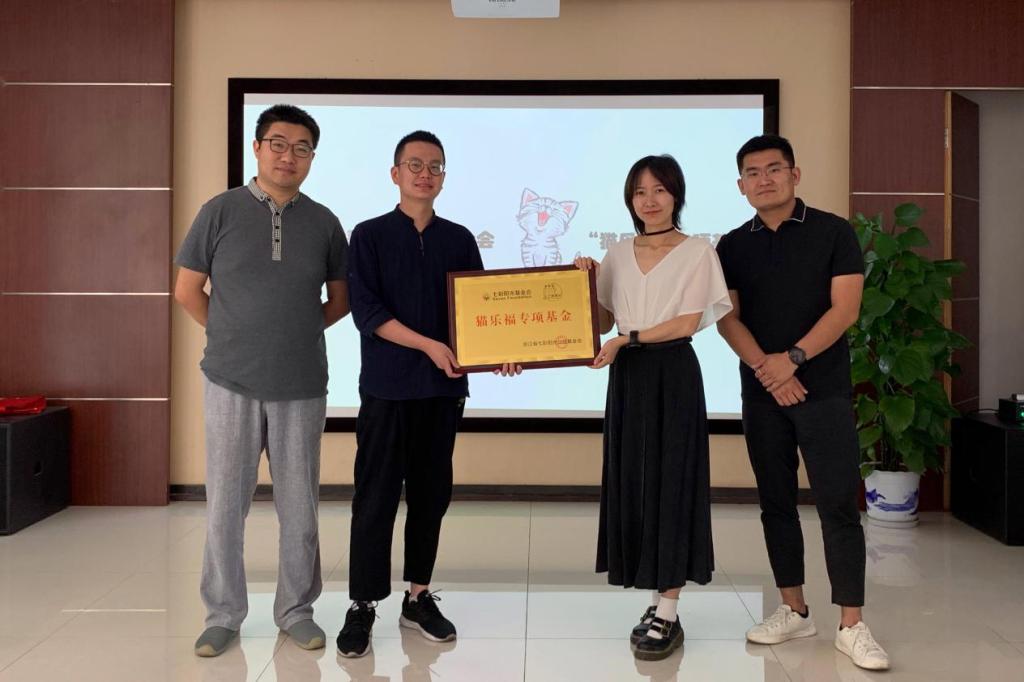
On September 12th, the “Zhejiang Rainbow Sun Foundation – Morelovecat Special Fund” was founded, and various leaders in academia, corporate, and public welfare foundations attended the founding ceremony.
The founding ceremony.
The growing problem of urban stray cats is detrimental to the urban ecosystem and public health. At the same time, the rapid reproduction of stray cats further aggravates the problem. Besides, due to the unsuitable living environment, fear, and lack of food and water, etc., the life span of stray cats is said to be generally shorter than three years.
As one of the most common stray animals in the city, stray cats have been cared for and rescued by many people. However, the words and actions of extreme supporters or opposers of stray rescue have sparked heated discussion in Chinese society.
In mainland China, because of the current lack of animal protection law, few official organizations have joined in the urban stray cats’ rescue and management. Strays are more likely to be taken in and cared for by non-governmental organizations.
The Morelovecat Special Fund aims to promote an urban stray cat 100% protection program to help stray cats find homes. The Fund’s mission is to protect the strays every step of the way, from their initial wandering stage to their final homes.
At the end of the founding ceremony, the sponsors of the Special Fund released the “Morelovecat Novice Pack” to support new cat owners. The pack contains essential pet supplies such as seven days of cat food, cat litter, and food and water bowls.
The “Morelovecat Novice Pack”
Next, they will release information about stray cats through online platforms. They will also seek out prospective cat owners and organize free lectures to promote the urban stray cat 100% protection program.
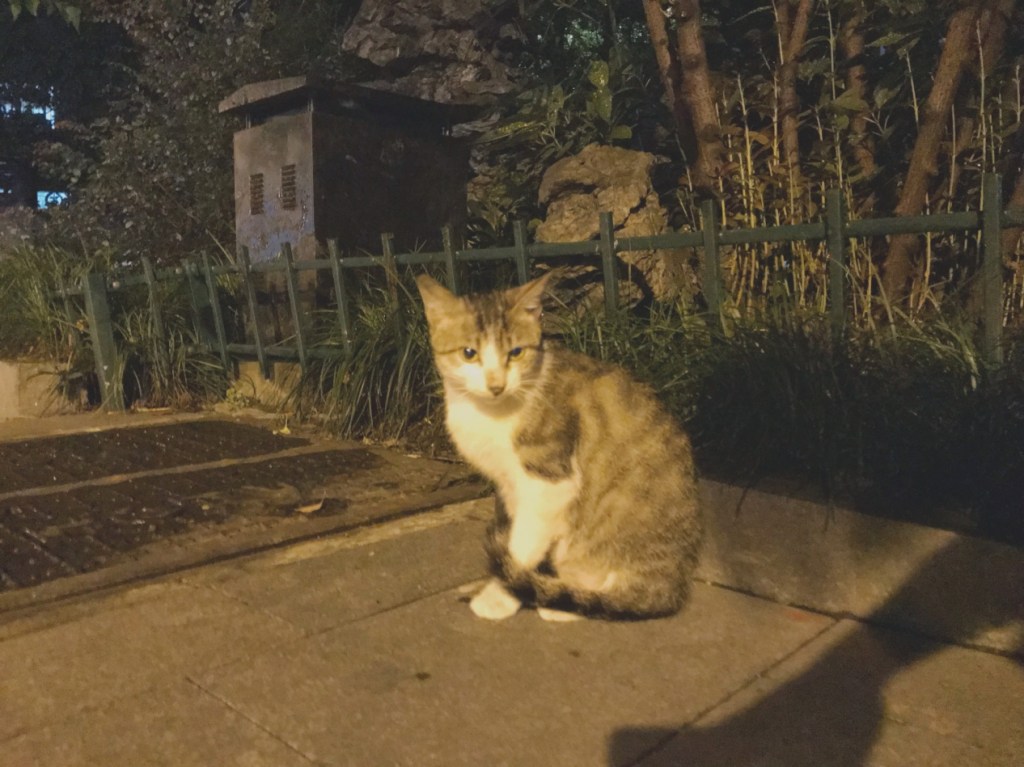
Stray cat on the street of a Chinese city.
It is great to see an increasing number of NGOs in China engaging in stray animal management. Although the effort has become more organized, official support is crucial. There is still a lot of work for China to do, but great news has come.
On September 25th, the official website of the Ministry of Agriculture and Rural Affairs of China published the “Response to Recommendation No. 5074 of the Second Session of the 13th National People’s Congress”, in response to the National People’s Congress’ “Suggestion of the Enactment of the Law on the Prohibition of Cruelty to Animals”. The Response states that it is necessary to develop legislation to combat animal cruelty and other acts that are widely opposed by the public.
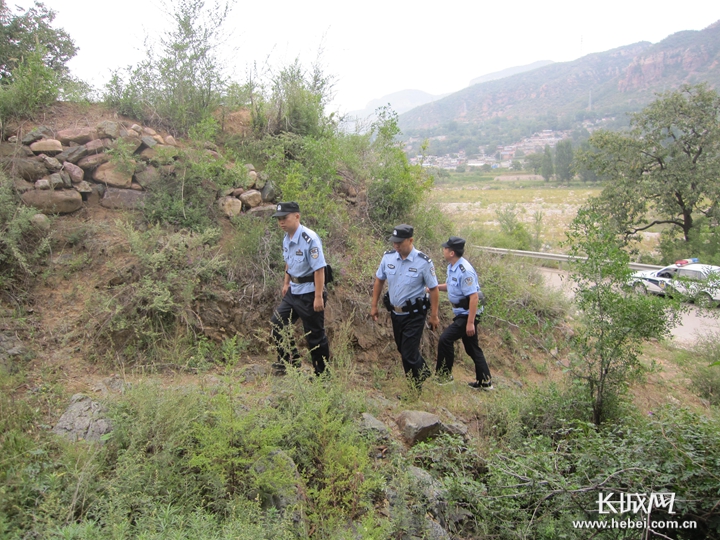
On September 20th, the Public Security Bureau of Jingjia County of Shijiazhuang City, together with the local police station, patrolled the surrounding mountain area and determined to strengthen the local wildlife protection force further.
Police patrolling the mountain areas
The county situates in the deep mountainous area of Ceyu and borders two provinces and five counties. The area is densely forested, and there are various wild species. Some of the local wild animals, such as boars, lynxes, foxes, and hares, have severely damaged the villagers’ crops. As a result, some locals have been hunting them down with hatred, and some locals also hunt them for the profit of wildlife products.
Starting from June this year, the campaign “Drawing the Sword 2019” has brought the local police station to pay special attention to wildlife crimes.
During the campaign, the police conducted in-depth surveys on 19 villages, educating the local people about wildlife and raising their awareness of protecting wildlife resources. Examples of locals convicted of wildlife crimes facing punishment were used to explain the laws. The locals are also encouraged to report suspected wildlife crimes. The policemen carefully patrolled and investigated the local food industry, collected intelligence from multiple sources, and followed after the information to track down the traffickers.
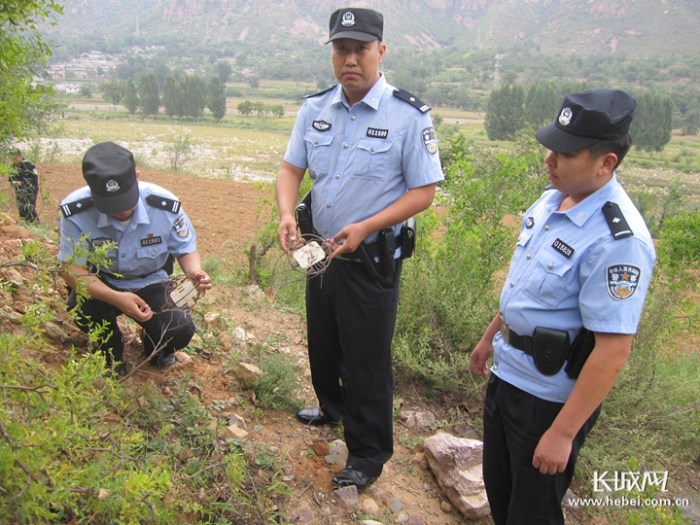
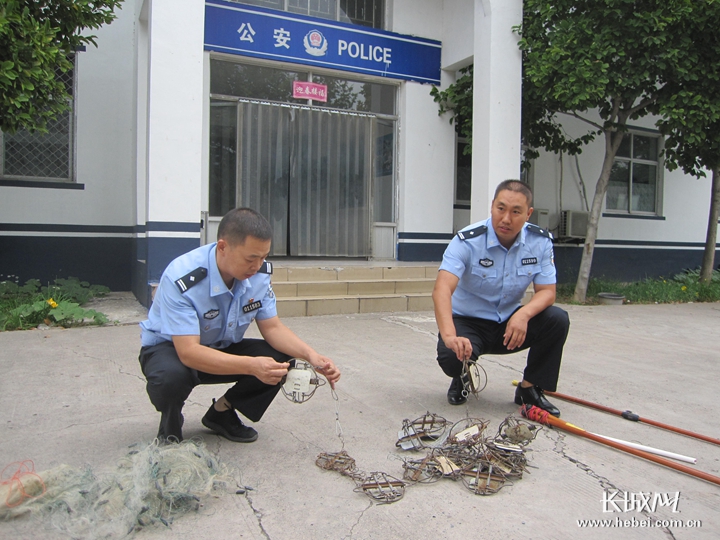
The animal traps and fish nets were collected during the patrols
The police station has so far removed a total of 25 hunting clips, one set of fishing nets, and electric fish tools, further eliminating the hidden dangers that are endangering local wildlife.
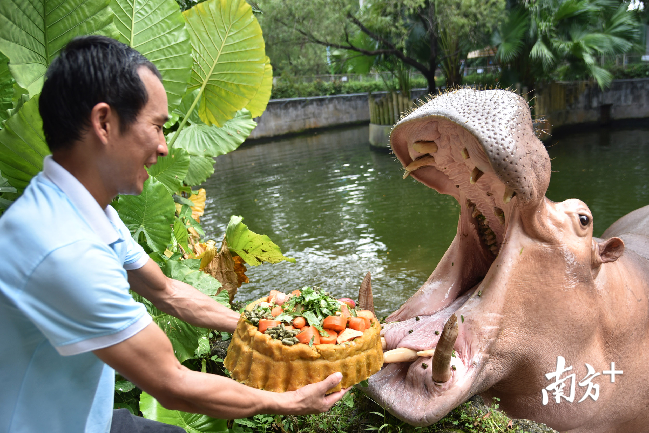
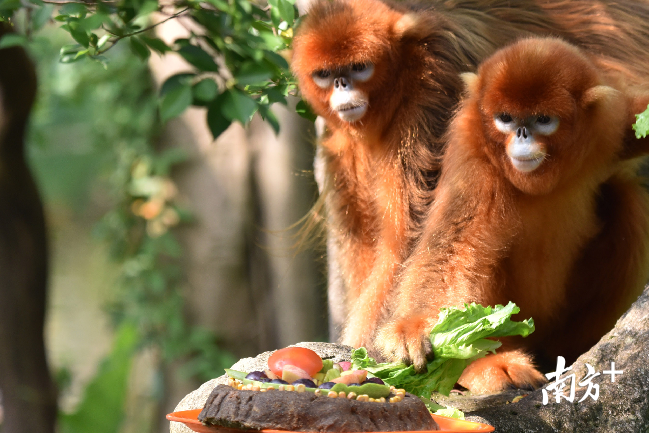
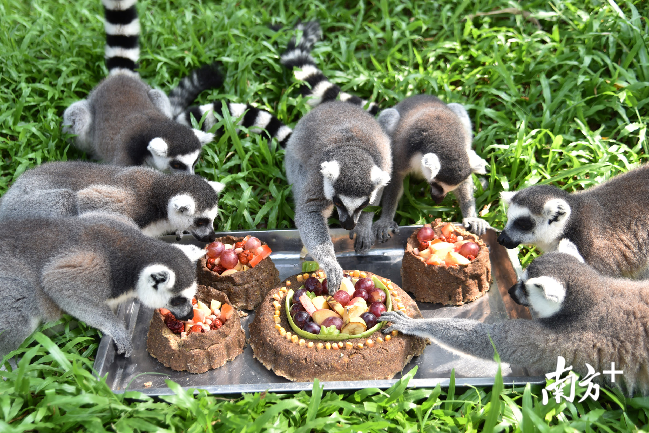
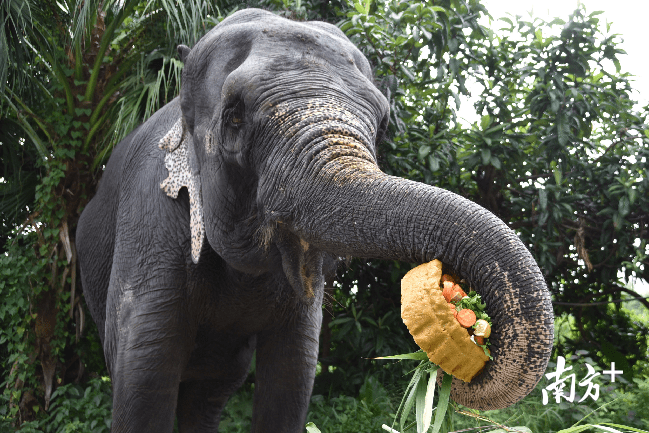
A hippo finished its 10kg “forage mooncake”, and the snub-nosed monkey got a “fruit mooncake”… September 13th was the Mid-Autumn Festival in China. Adorable animals in Safari Park, Shenzhen, also celebrated this special day with their unique custom-made “mooncake”. At 9 a.m., the zookeeper made special “mooncakes” according to the feeding habits of the animals. All the “mooncakes” were not only different in sizes and style but also varied in their ingredients.
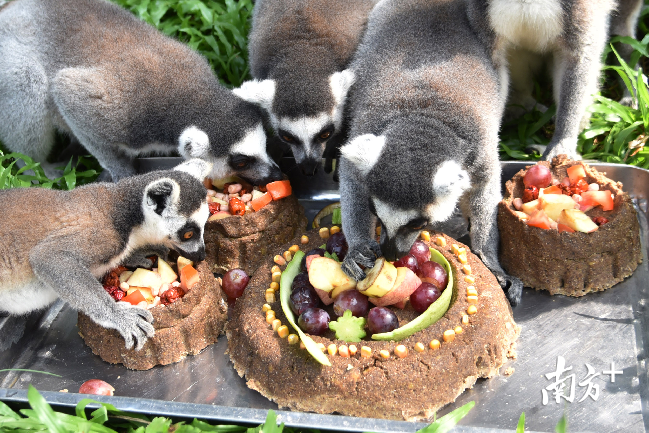
Lemurs inspecting the “fruit mooncakes”
The Mid-Autumn Festival is a traditional festival in China on August 15th on the lunar calendar. It is the day for family reunions, symbolized by the full moon that night. The mooncake, usually made of rice, grains, or lotus, is the reflection of the full moon on the food.
The snub-nosed monkeys and ring-tailed lemurs are primates. Zookeepers used a doughy pie skin and filled it with the animals’ favorite food like apples, bananas, grapes, jujubes, peanuts, and boiled eggs to make “fruit mooncakes”.
The snub-faced monkeys are curious about the fruit mooncake
The elephants and hippos are large herbivores that eat a lot, so their “forage mooncakes” were much larger than the “fruit mooncakes” for the primates: one “forage mooncake” weighed 10kg (about 22 pounds). The “forage mooncakes” were made of elephant grass, carrots, sweet potatoes, bananas, and alfalfa pellets.
The animals welcomed these unique “mooncakes”. The 10kg “forage mooncake” quickly disappeared as the smart elephant rolled its agile snorts around it. The hippo opened its mouth wide to gorge the whole “forage mooncake” at once. The ring-tailed lemurs had their mouth watering at the “mooncake feast”: they promptly gathered around and enjoyed the meal. The snub-nosed monkeys were more curious about the “fruit mooncakes”, sniffing around it carefully before digging in.
Shenzhen Safari Park has been organizing animal mooncake activities every Mid-Autumn Festival since 2011. The materials for the mooncake were all designed based on the animals’ typical diets. These “mooncakes” satisfied the animals’ appetite while ensuring safety and nutritional needs.
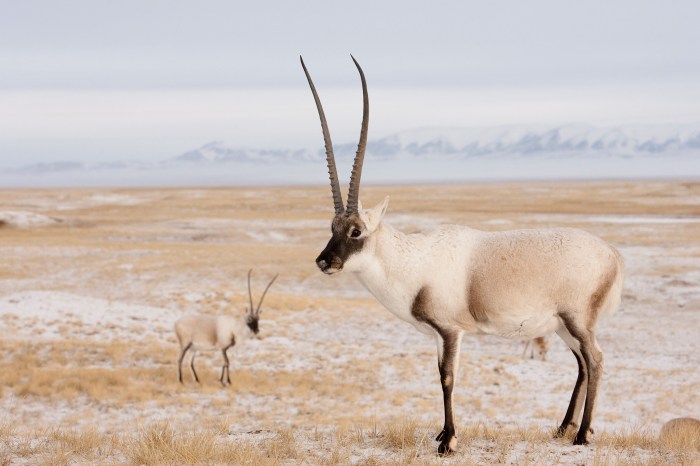
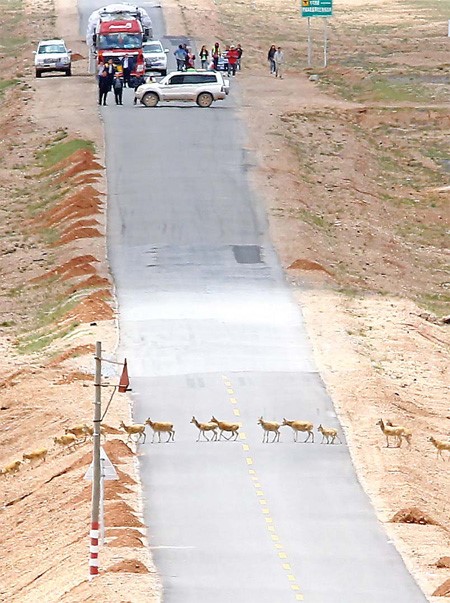
Tibetan antelope has finished this year’s migration season recently. Statistics from Sanjiangyuan National Park showed that a total of 4,860 antelopes were seen migrating back to their habitats, 338 more than the number in 2018.
A Class I state-protected animal, Tibetan antelope mainly inhabit the nature reserves in the provinces of the Tibetan plateau such as Xinjiang, Tibet, and Qinghai. Their mating season is around December and females will give birth in June or July after a gestation period of roughly 200 days. Every May, pregnant Tibetan antelopes migrate across the plateau to the calving ground near Zonag Lake in Hoh Xil, situated more than 4800m above sea level. The mothers will return to their original home with the newborns in August.
The Sanjiangyuan National Park Hoh Xil office conducts frequent and intensive patrols depending on the seasonal activities of animals. Besides, the park undergoes additional annual anti-crime campaigns to protect Tibetan antelope and other rare animals in Hoh Xil.
Thanks to China’s conservation efforts, Tibetan antelope’s habitat has been improving in recent years. According to conservation officers working in Hoh Xil National Nature Reserve, there was no evidence of poaching this year. They estimate that Tibetan antelope’s population had recovered to around 70,000 in the surrounding areas of Hoh Xil Natural Reserve since 2009 vs. less than 20,000 during the 1990s when poaching was rampant in this area.
Volunteers stop traffic on the Qinghai-Tibet Highway to form a passage through which antelope can cross the pavement. Zou Hong / China Daily
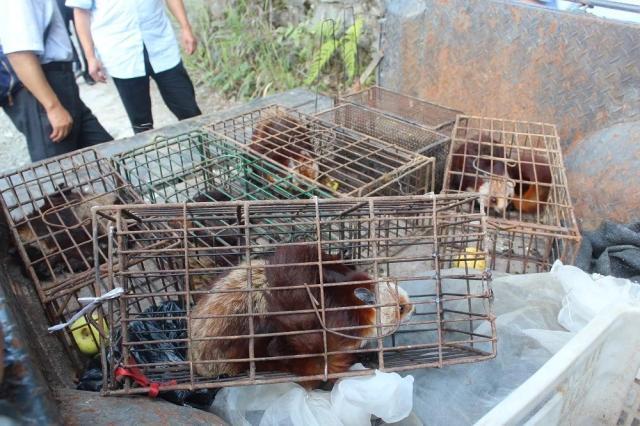
On July 22, the public security bureau of forestry had a report from the local people that someone was hunting wild animals in Zhongbao, a town in Hubei, China. After investigation, the police arrested the criminal, Wang, who kept a dead tufted deer, 42 traps, and ten sets of steel wire in his home.
The seized wild animals | Credit: China Forest Public Security
After interrogation, Wang admitted using hunting tools founded in his house to hunt wild animals. His behavior violated the Criminal Law of the People’s Republic of China, and he was suspected of killing wildlife. Criminals convicted of such crime would have a three-year set term of imprisonment and a fine. Wang was arrested and detained by the local forest police on July 23. Now, the case is in process. To protect wildlife resources and the ecosystem, the local public security bureau started cracking down criminal exploitation of wildlife. Since then, the bureau had opened five criminal cases related to illegal behavior regarding wild animals.
Investigation in markets and restaurants
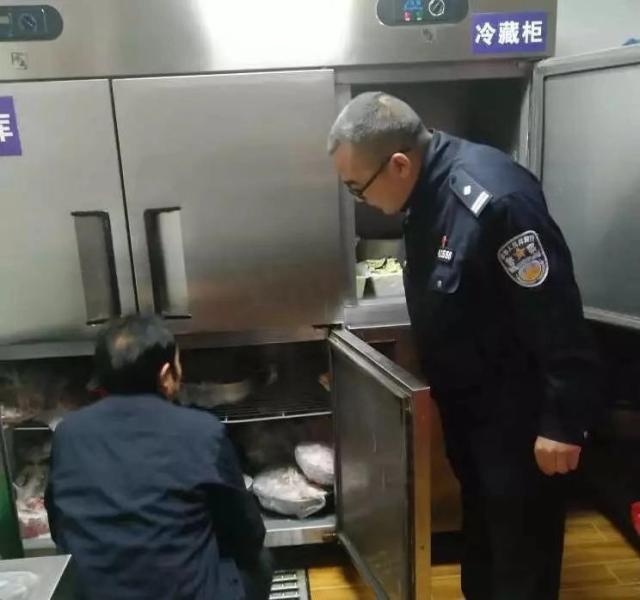
In a special operation to prevent wildlife trade and processing, the forest police cooperated with the market regulatory body to check on all local markets and restaurants. Individually, they investigated the side roads and touristy restaurants, especially the ones with “wildlife” advertisements and menus. In the meantime, the forest police cooperated with forestry and market authorities to comprehensively investigate wild animal farms, habitats, places with abundant wildlife, and high-risk places of poaching.
The police inspecting the contents of the freezer | Credit: China Forest Public Security
Furthermore, they allied with the traffic police, which checked on vehicles, passengers, and goods to investigate illegal wildlife trafficking. Criminals convicted of wildlife trafficking in China would face a five-year or ten-years set term of imprisonment, a fine, and confiscation of property.
So far, the forest police opened five wildlife’s criminal cases and seven wildlife administrative cases, arrested 12 criminals, called seven people into court, and confiscated 100 wild animals of diverse species.
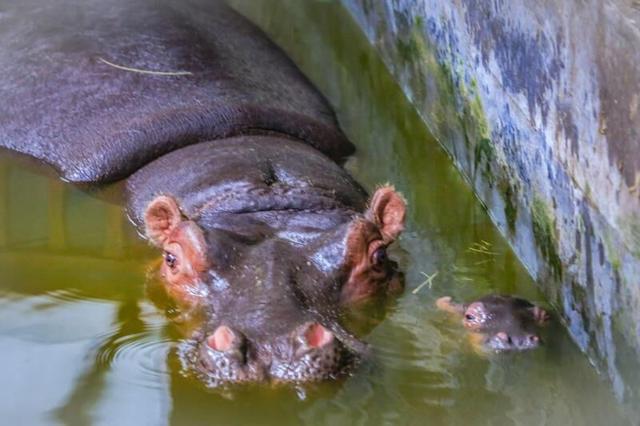
A new member joins the hippo family of a zoo in Jinan, China.
On July the 7th, the Wild World Jinan joyfully announced that the hippo mother has successfully delivered a baby hippo at 5 am. From then on, the star couple of the animal world, hippos “Nan Nan” and “Fei Fei” has officially become a family of three.
The happy couple traveled across the ocean from South Africa to their current home, Wild World Jinan, in 2015. The two hippos were named “Nan Nan” and “Fei Fei” because their origin, South Africa, is pronounced as “Nan Fei” in Mandarin. Now, Nan Nan and Fei Fei are both adults at five years old.
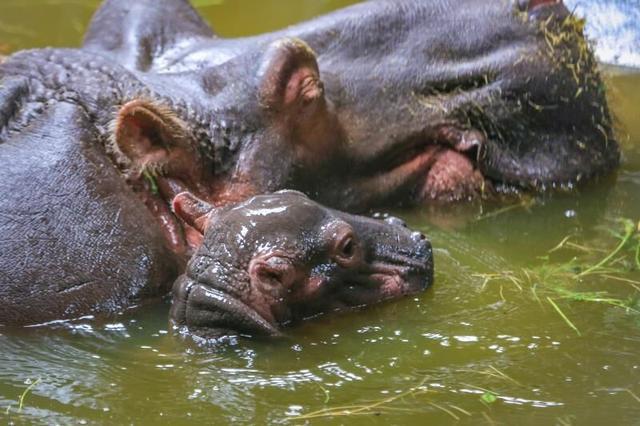
The staff in charge of hippos said that the hippo calf was born on the bank after the mother reached the full term of pregnancy. The healthy newborn then moved into the pond. Though a first-time mother, Fei Fei made it through 240 days of gestation and now maintains a strong maternal instinct. Currently, she is focusing on taking care of the baby in the delivery room prepared by the staff. She has to stay close to her offspring to keep feeding it. The baby hippo will not start to eat grass until 4-6 months, and the mother will continue breastfeeding for almost a year. Since the baby hippo cannot get on the bank, for now, it is hard to determine its gender. The baby hippo will meet with visitors in the outdoor exhibition when it can feed on grass.
The baby hippo remains in the water which makes it difficult to determine its gender.
The gestation of hippos usually lasts eight months, and mothers only give birth to one calf at a time. Just before the birth of the baby, the mother will leave the herd alone. The baby is usually be born under water and will spend three to four weeks with the mother before returning to the herd. While all the female hippos will help with rearing the calf, the mother hippo will still holds the significant responsibilities of raising the calf. Hippos are social animals, and all the female hippos will stick together to protect their babies from any possible danger.