December 12, 2025 — As China’s national park system continues to develop, the need for setting standards of domestic wildlife rescue practices is becoming more and more imminent. This year, we partnered with Dr. Sara Childs-Sanford and Dr. Cynthia Hopf-Dennis from Cornell University College of Veterinary Medicine to share cutting-edge international rescue standards and practices in Nanjing through a systematic framework. Iva (Yufei) Pan, co-director of Elefam and a master’s student in the NYU Animal Studies Program, served as the Project Director.
This systematic curriculum was designed by Elefam for the Third Wildlife Rescue and Rehabilitation Training Workshop from December 3 to December 6, 2025, which was co-hosted by the International Fund for Animal Welfare (IFAW) and (held at) Nanjing Hongshan Forest Zoo.
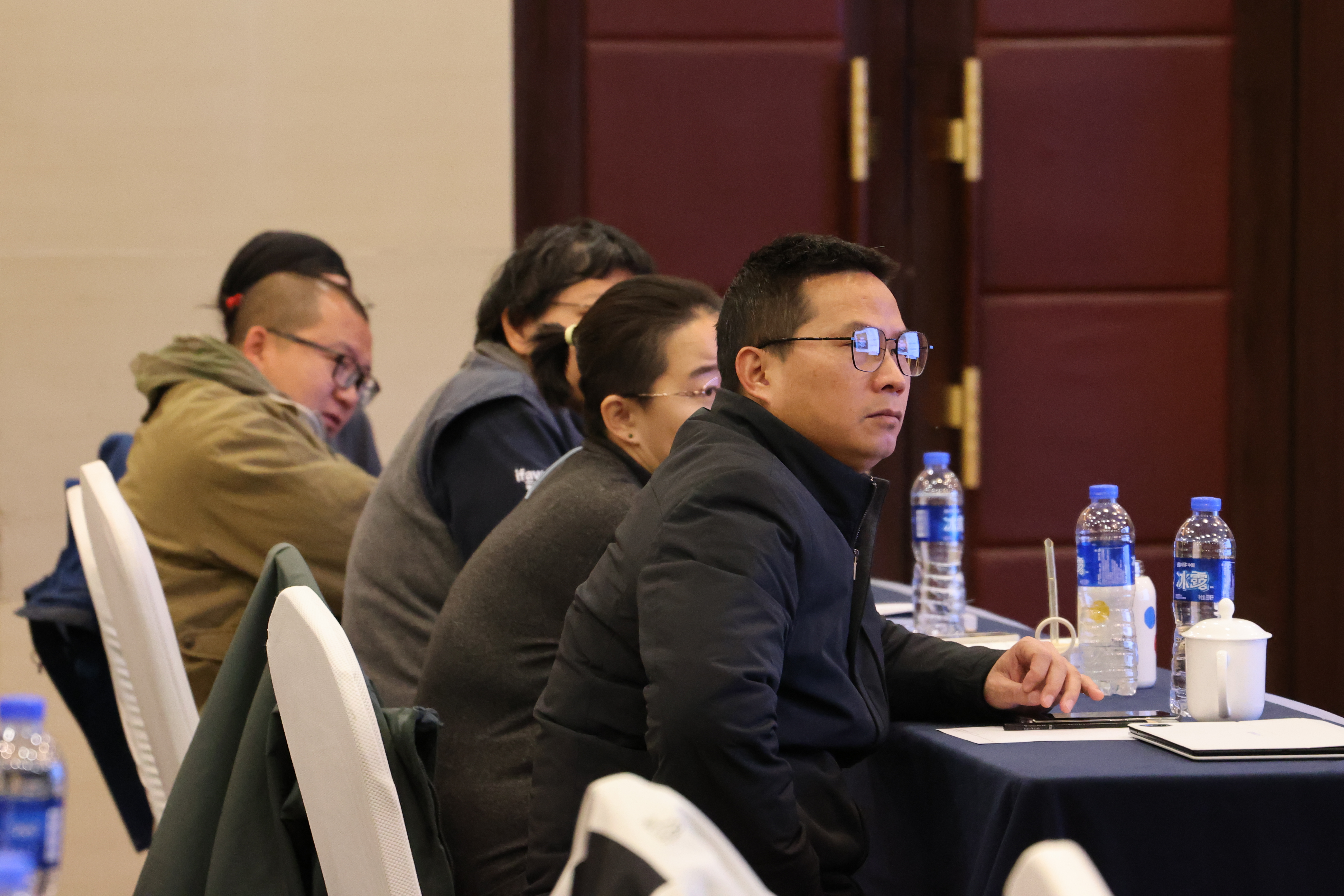
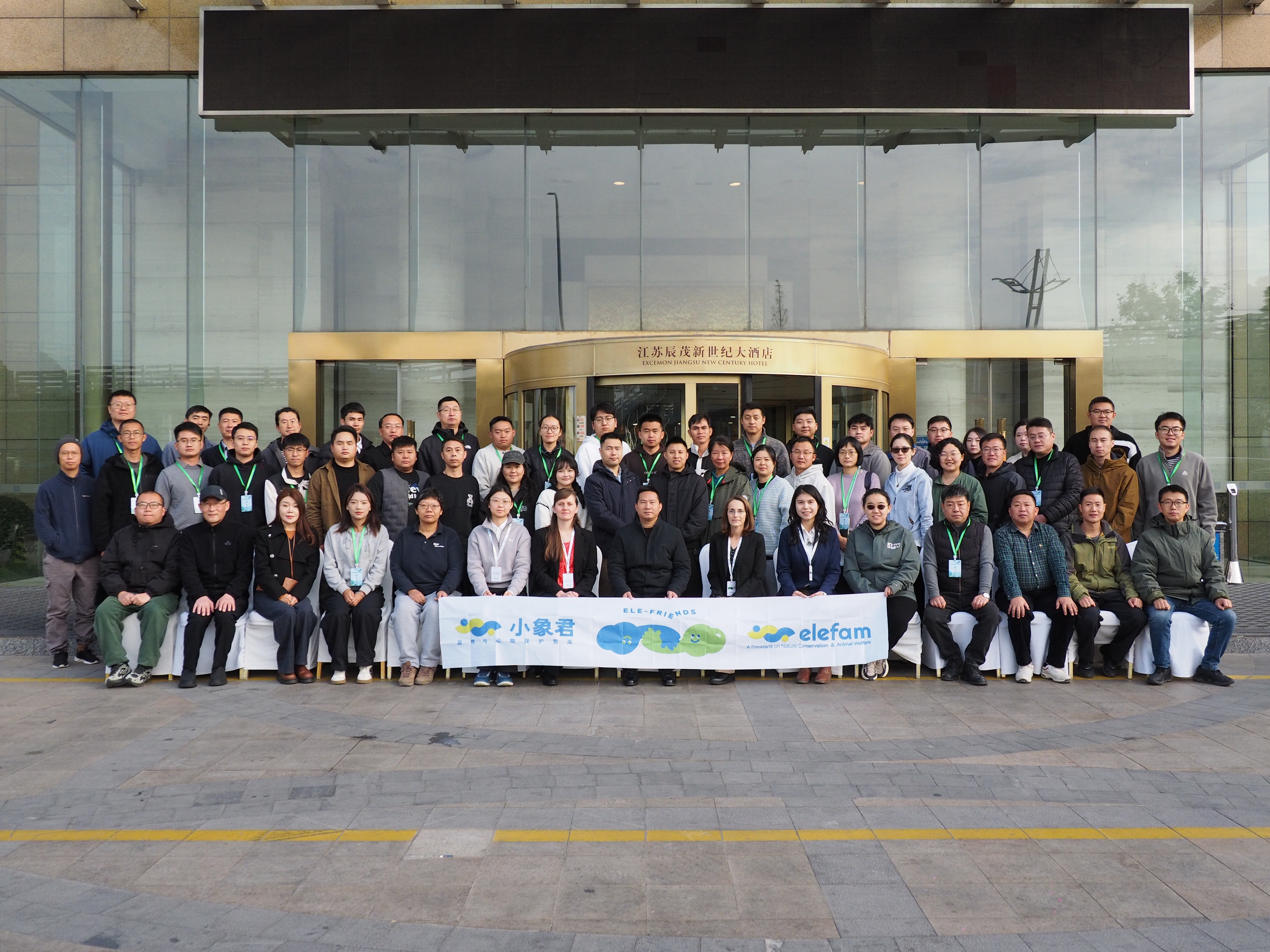
The four-day training attracted over 50 participants from more than 27 organizations across China. This event had impacts of more than a veterinary training session; it was part of an initiative to help specialize and standardize China’s wildlife rescue system, enabling it to meet standards of international criteria.
The training curriculum was compiled by Elefam member and clinical veterinarian Dr. Katherine Rubinstein (Zhou Ying), and coordinated by Adela Li (Li Yanqi).
🌟 Four Key Highlights of the Training
1. 13 Core Courses: Addressing High-Frequency Challenges in China
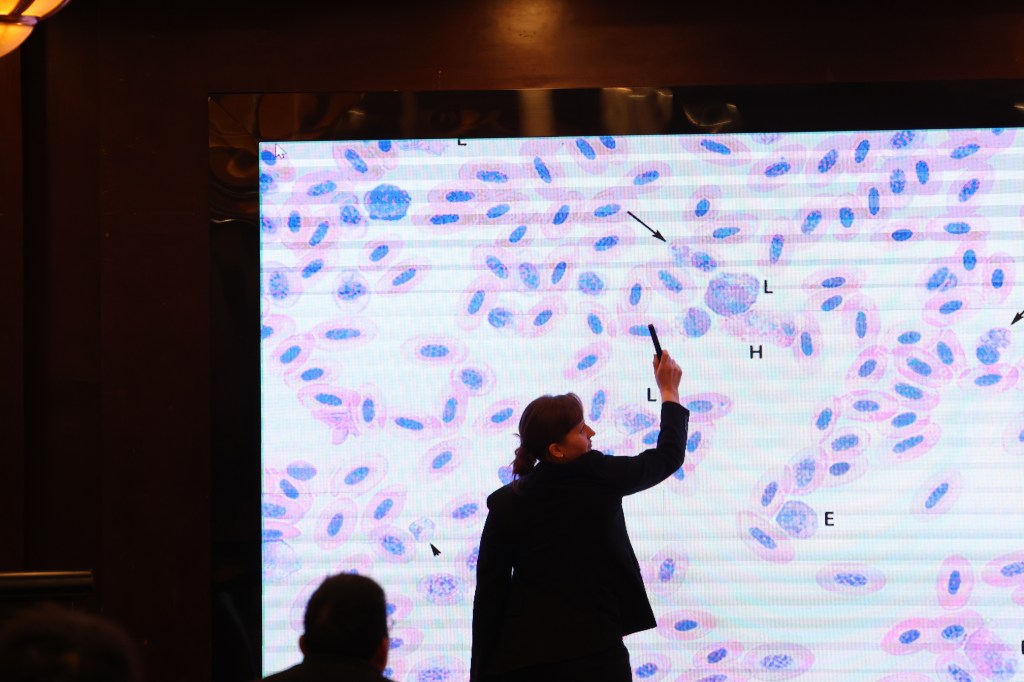
Based on the specific needs of local rescue personnel, Elefam designed a competency model creating a practical series of courses ranging from avian emergency care and orthopedic stabilization to reptile/amphibian anesthesia and clinical diagnosis.
2. Guest Lecturers from Cornell University College of Veterinary Medicine: Integrating Theory with Practice
Experts from Cornell were invited as special guests to modularly integrated their knowledge into the curriculum, helping trainees understand both rescue pricipless and the veterinary medicine knowledge behind them.
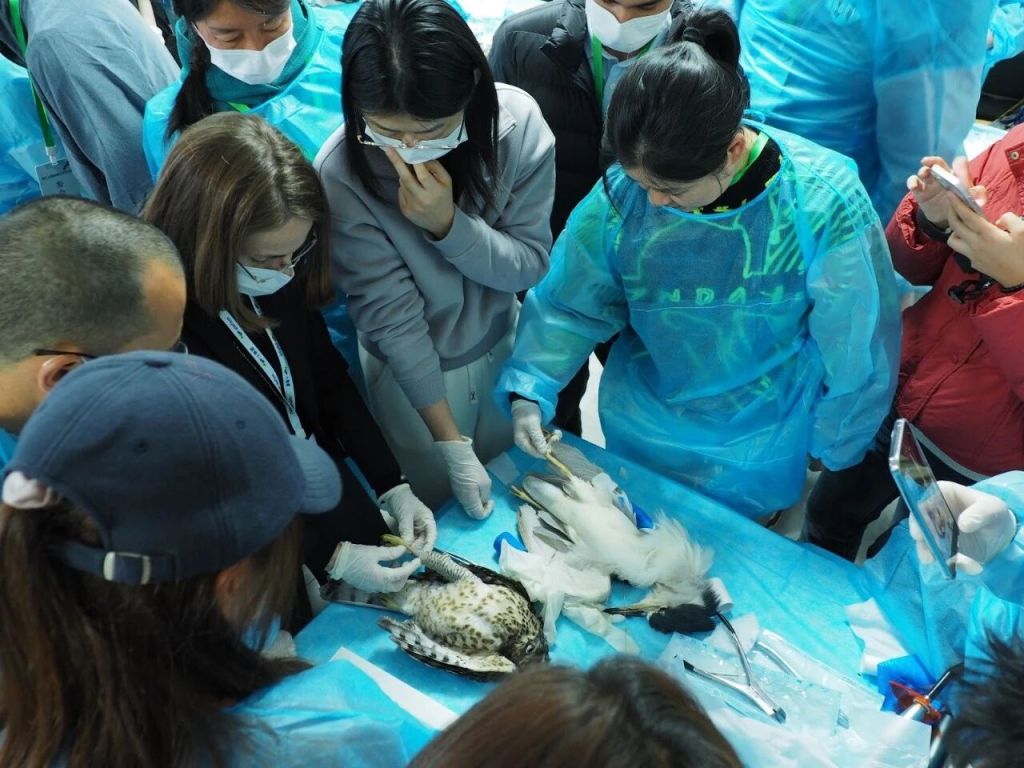
3. Avian Fracture Repair Practical Workshop: Turning Theory into Muscle Memory
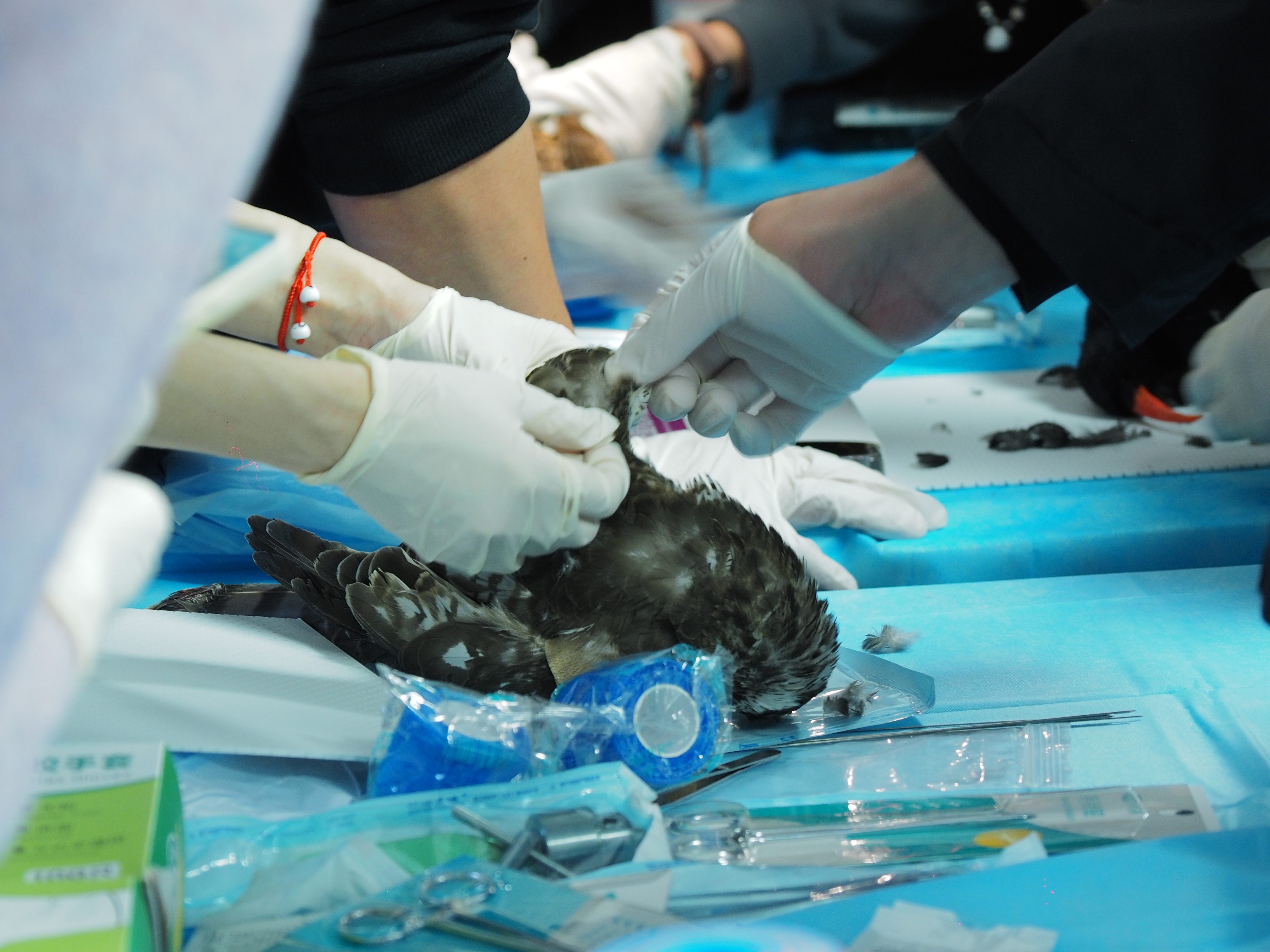
By introducing the use of external fixators, the placement of intraosseous catheters, and bandaging techniques, the hands-on practical lab allowed trainees to bridge the gap from “knowing” to “doing.”
4. 27+ Institutions Represented Nationwide: Promoting the Standardization of Rescue in China The training drew representatives from zoos and national park rescue centers across the country, fostering inter-institutional exchange and helping to set future standards for rescue standards.
🤝 Invited International Experts: Facilitating Technical Exchange
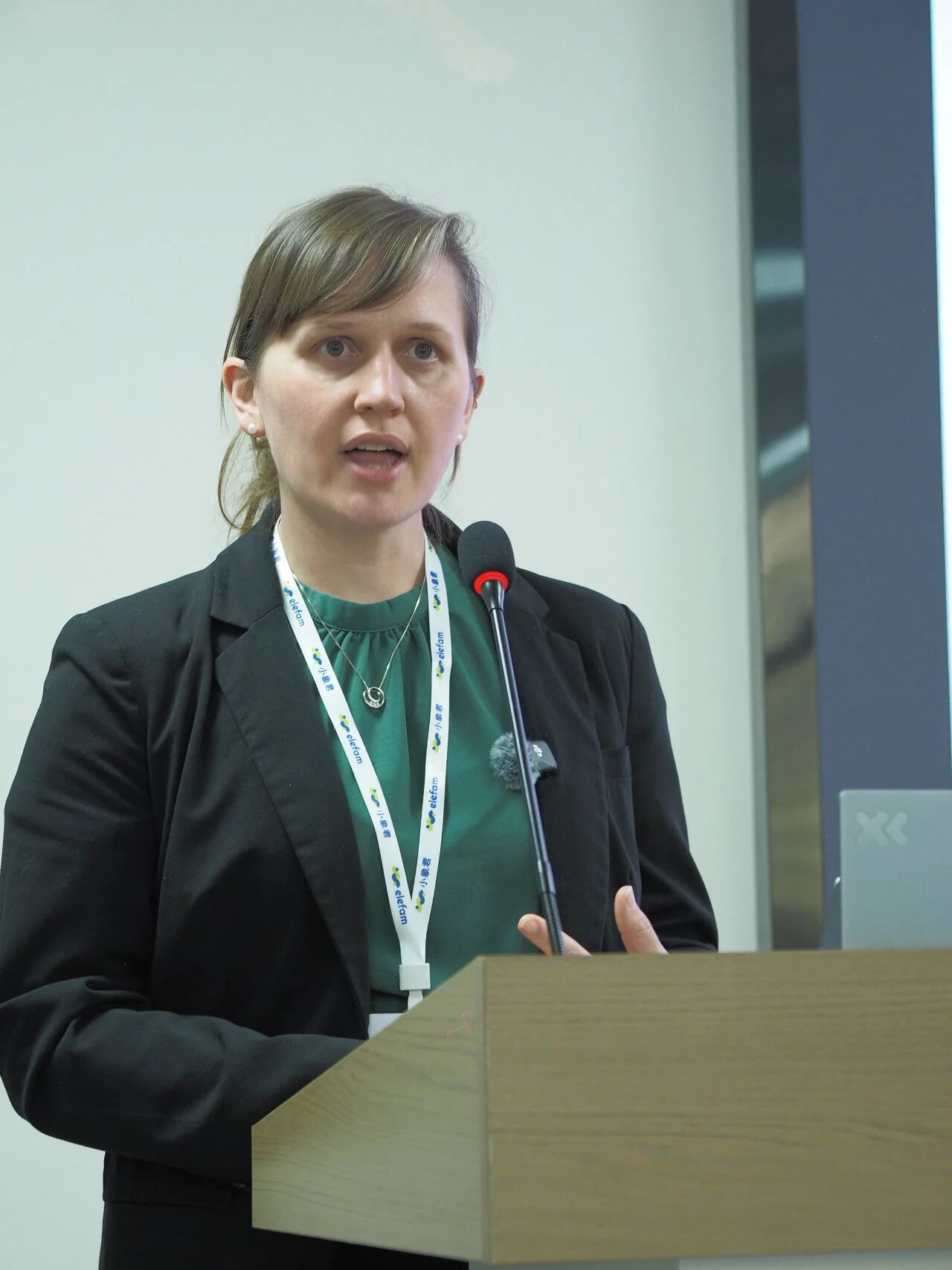
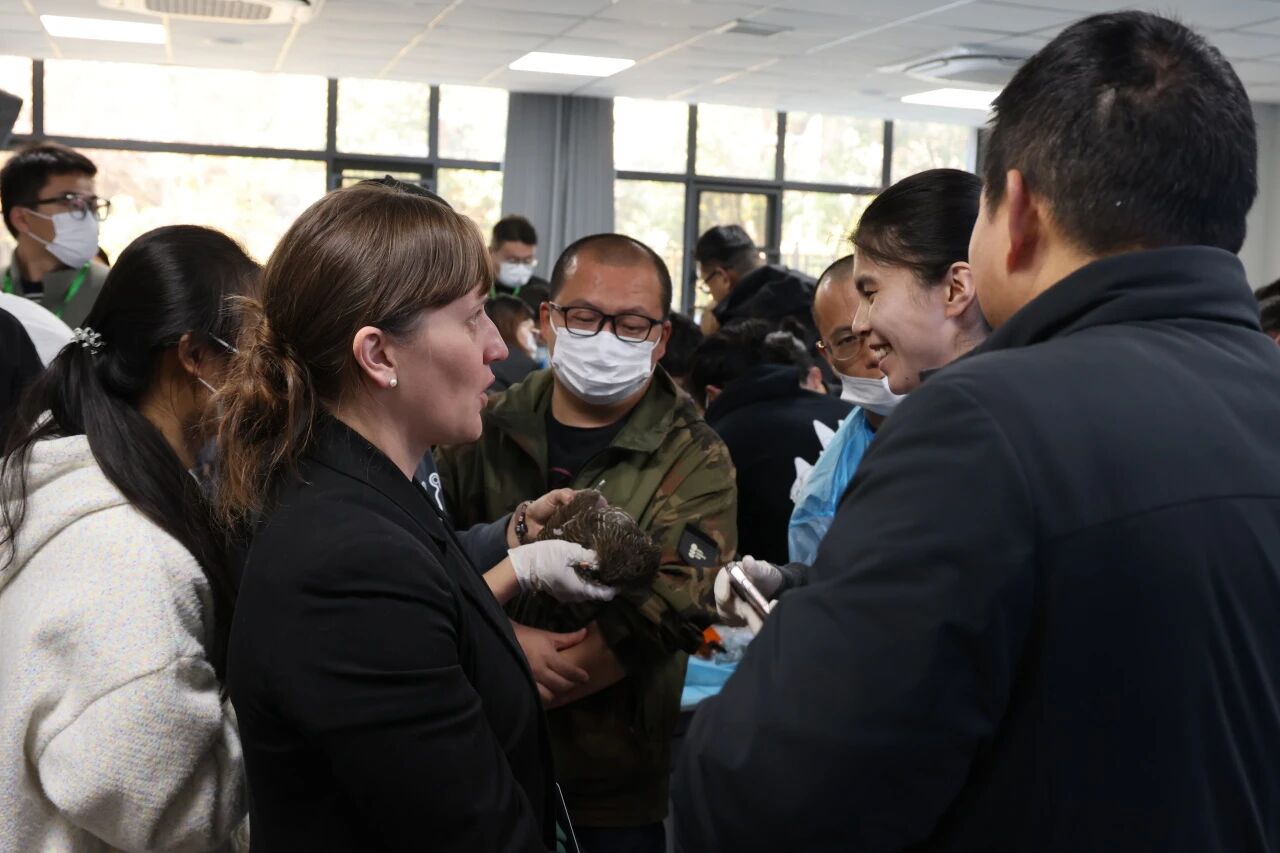
The course featured experts from the Janet L. Swanson Wildlife Hospital at Cornell University: Dr. Sara Childs-Sanford and Dr. Cynthia Hopf-Dennis. They brought not only technical skills but also clinical thinking methods for wildlife rescue and care, as well as decision-making models for diagnosing and treating injured animals.
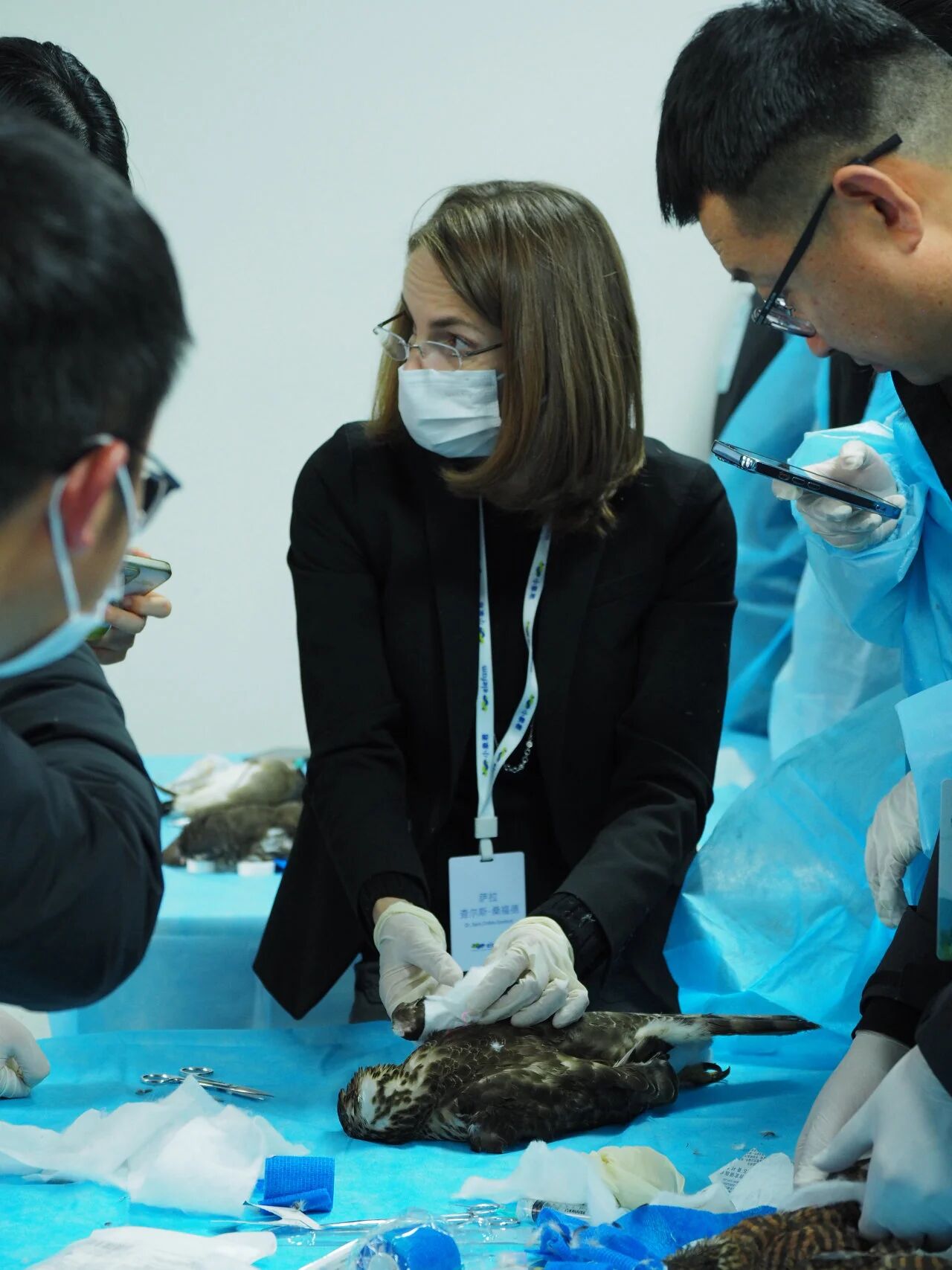
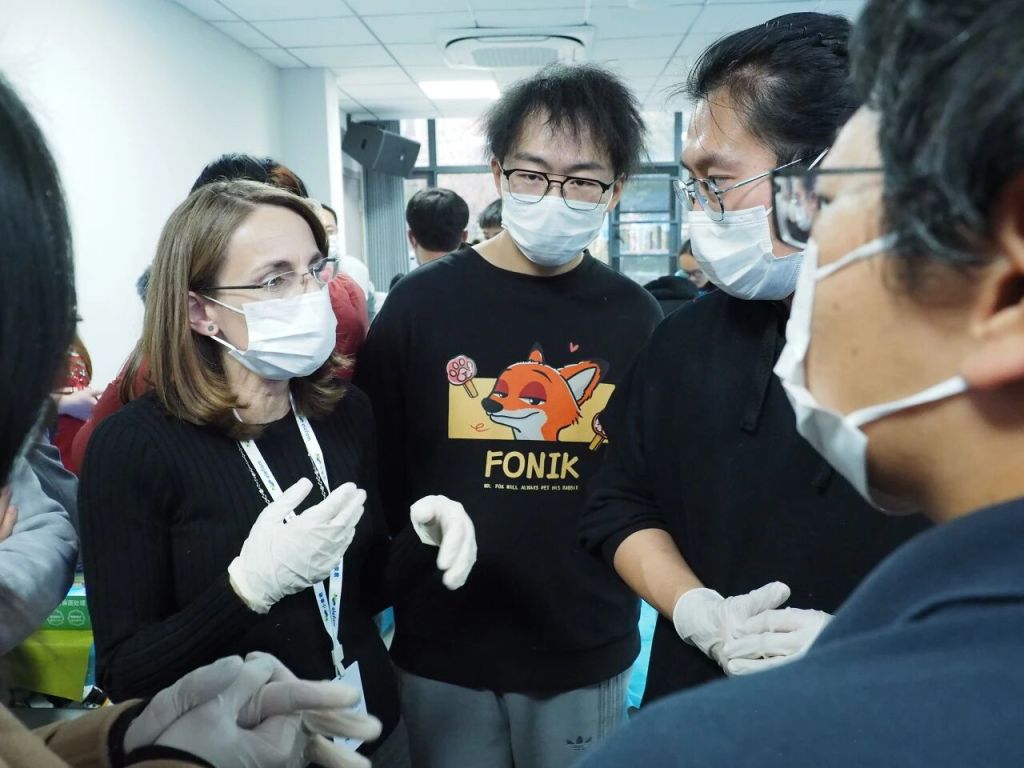
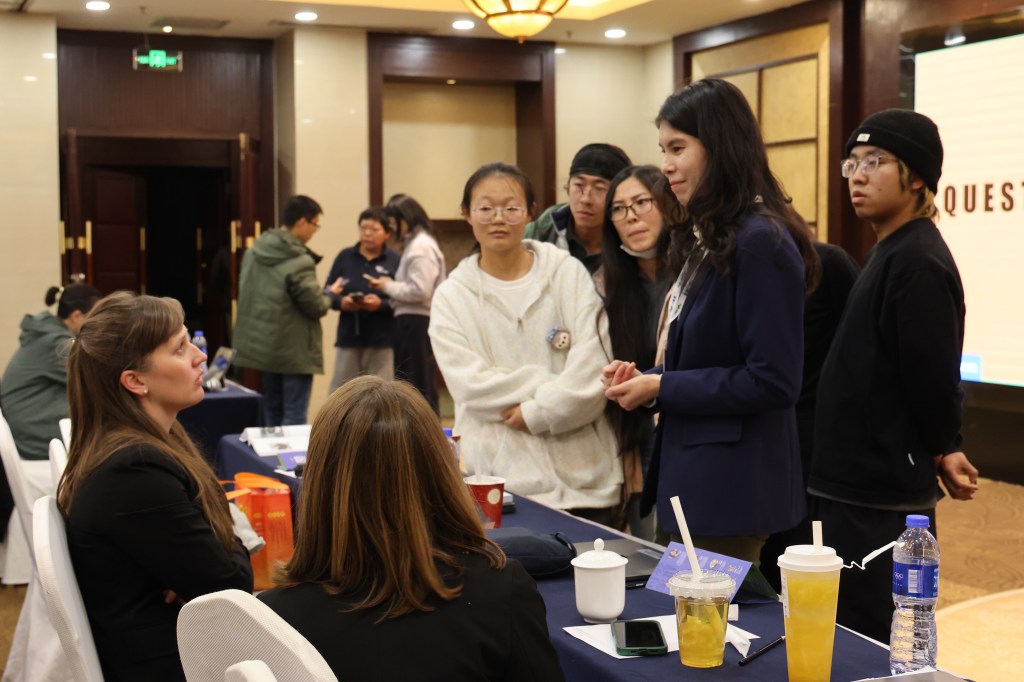
Dr. Sara Childs-Sanford exchanging ideas with frontline wildlife rescue practitioners and trainees.
🐦 Learning About Avian Fracture Repair: From “Knowing How” to “Actually Doing”
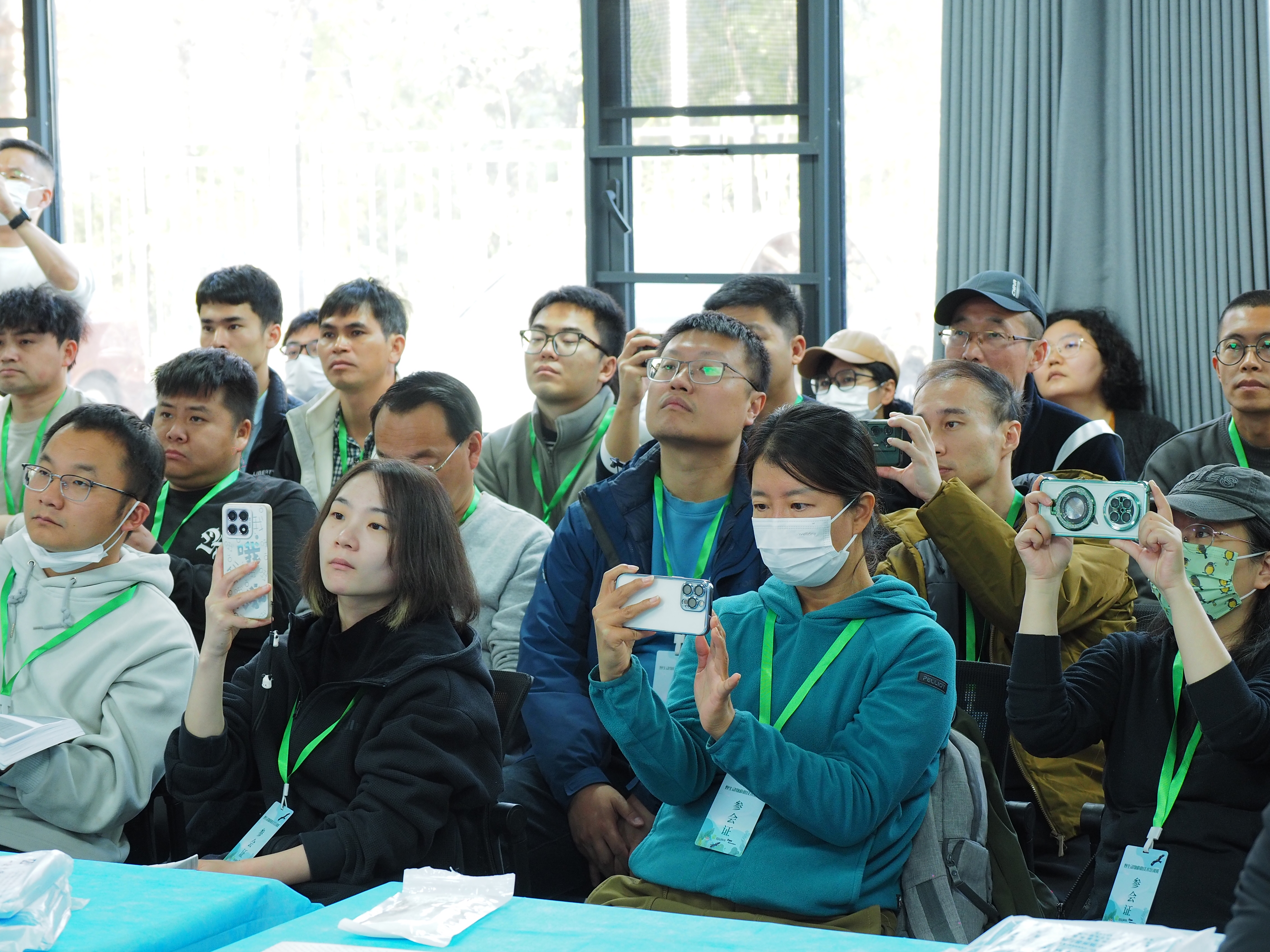
As one of the most popular segments of the training, the Avian Fracture Repair Workshop allowed participants to practice the following techniques on-site:
Principles of stabilization using external fixators.
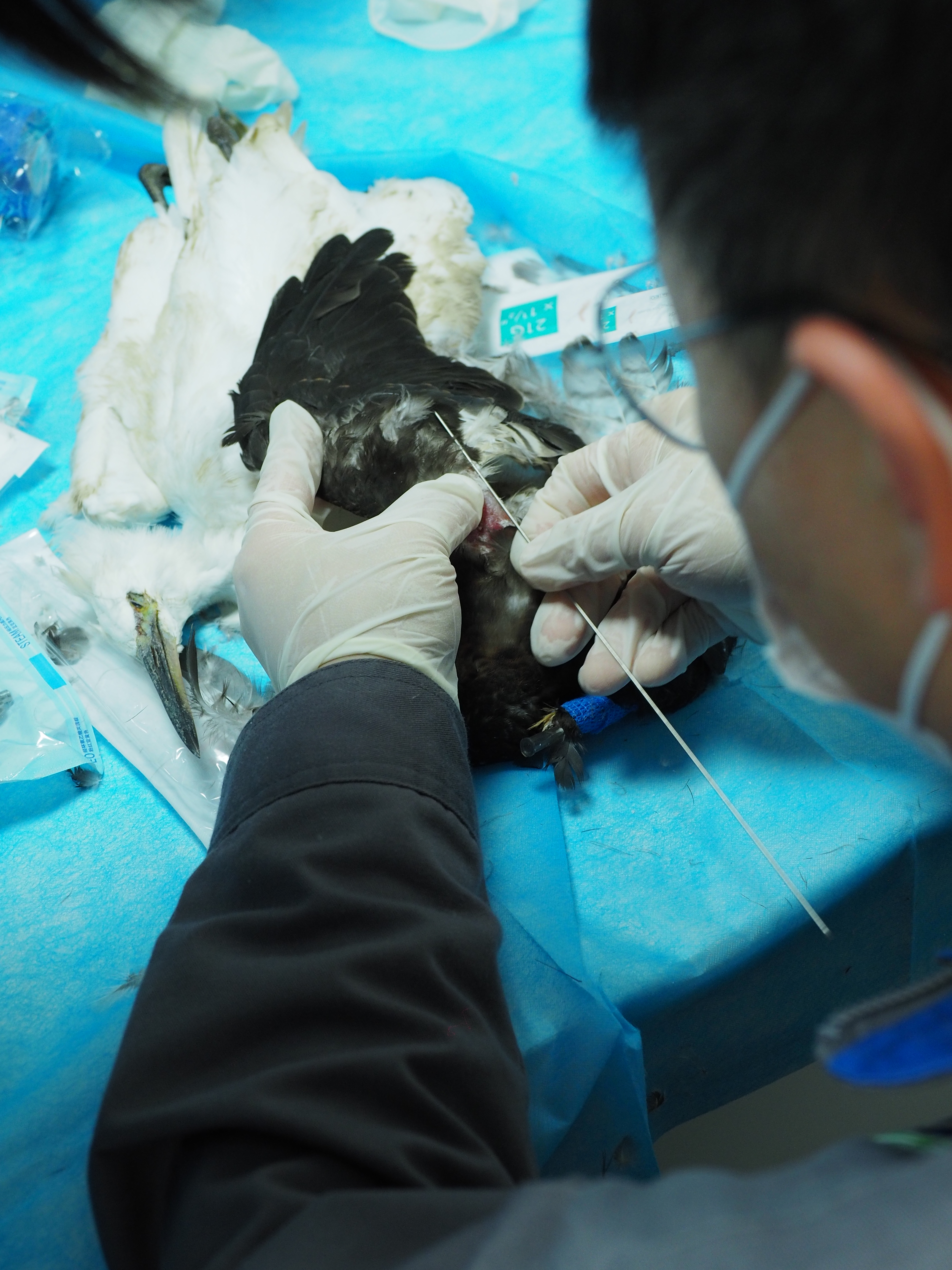
Placing intraosseous (IO) catheters correctly.
Correct application of the Figure-8 bandage.
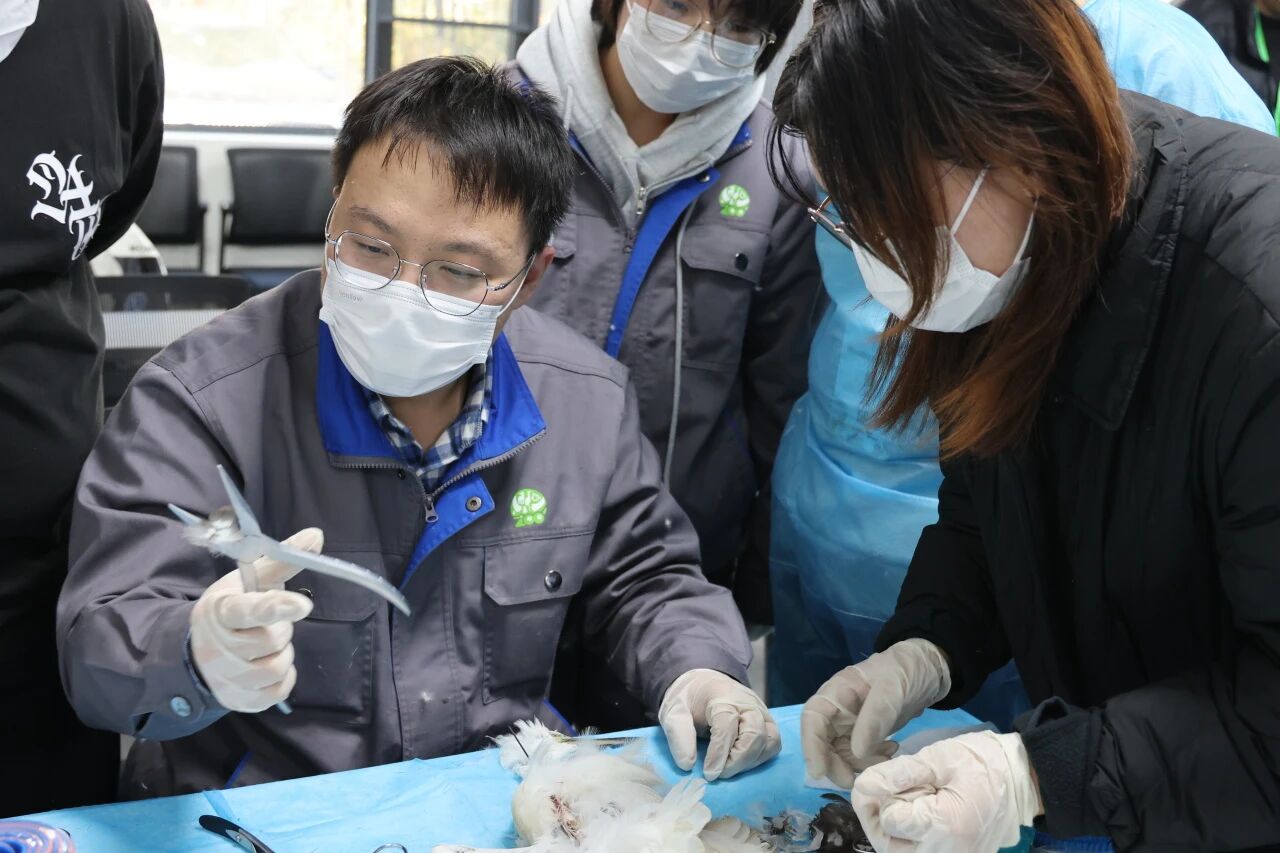
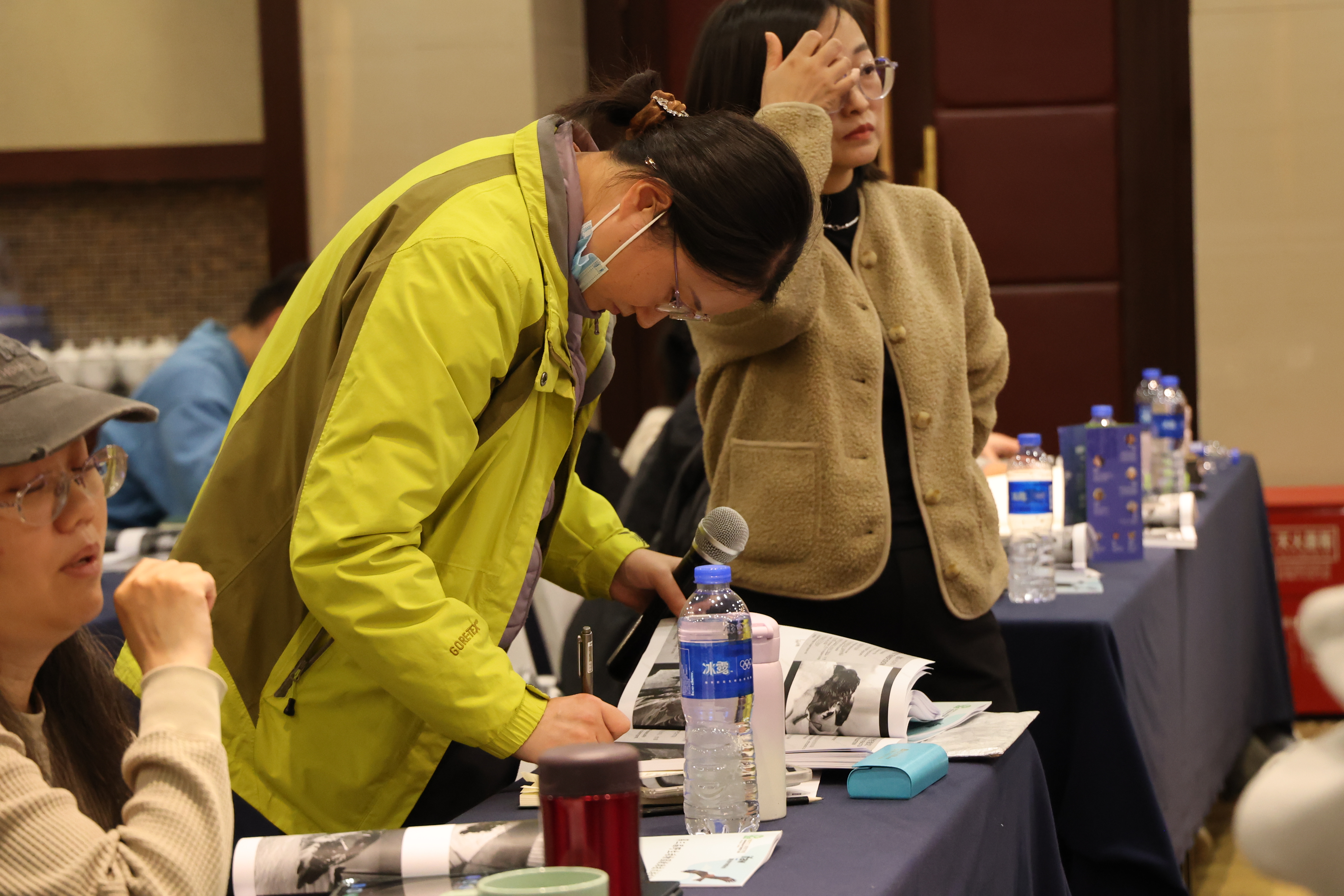
Placement of an external fixator for avian fractures during the workshop; Trainees attempting to place internal fixator in bird wings and practicing fracture bandaging techniques.
We designed a series of courses centered on “frontline pain points” for rescuers, veterinarians, and animal care staff.
Emergency Management:Emergency Management: In the Emergency Management of Avian Wildlife lecture, Professors Childs-Sanford and Hopf-Dennis introduced techniques for placing intraosseous catheters, which students were able to practice in the following practical labs. Participants were impressed by this novel and practical first-aid method.
Specialized Species: In the Principles Guiding Care of Wild Reptiles and Amphibians course, trainees learned about the unique anatomical structures and drug administration methods for herpetofauna.
Global Context: In the Wildlife Medicine in Conservation lecture, Dr. Rubinstein shared insights on wildlife hospitals around the world and the challenges they have, analyzing the opportunities and challenges faced by wildlife conservation in China.
Anesthesia: The Anesthesia and Analgesia series for birds and reptiles provided an understanding of commonly used drugs for sedation and pain management.
The curriculum focused on cultivating three core competencies:
Emergency judgment and practicing principles for practitioners.
Avian orthopedics and stabilization techniques.
Rescue capabilities for special species (reptiles and amphibians).
“The course offered theoretical guidance, case studies, and practical trainings. It had strong pertinence for frontline rescue work.”
— Li Meirong, Vice Director of Nanjing Hongshan Forest Zoo
🌏🐘 Elefam’s Mission: Building a Talent Pipeline for Conservation
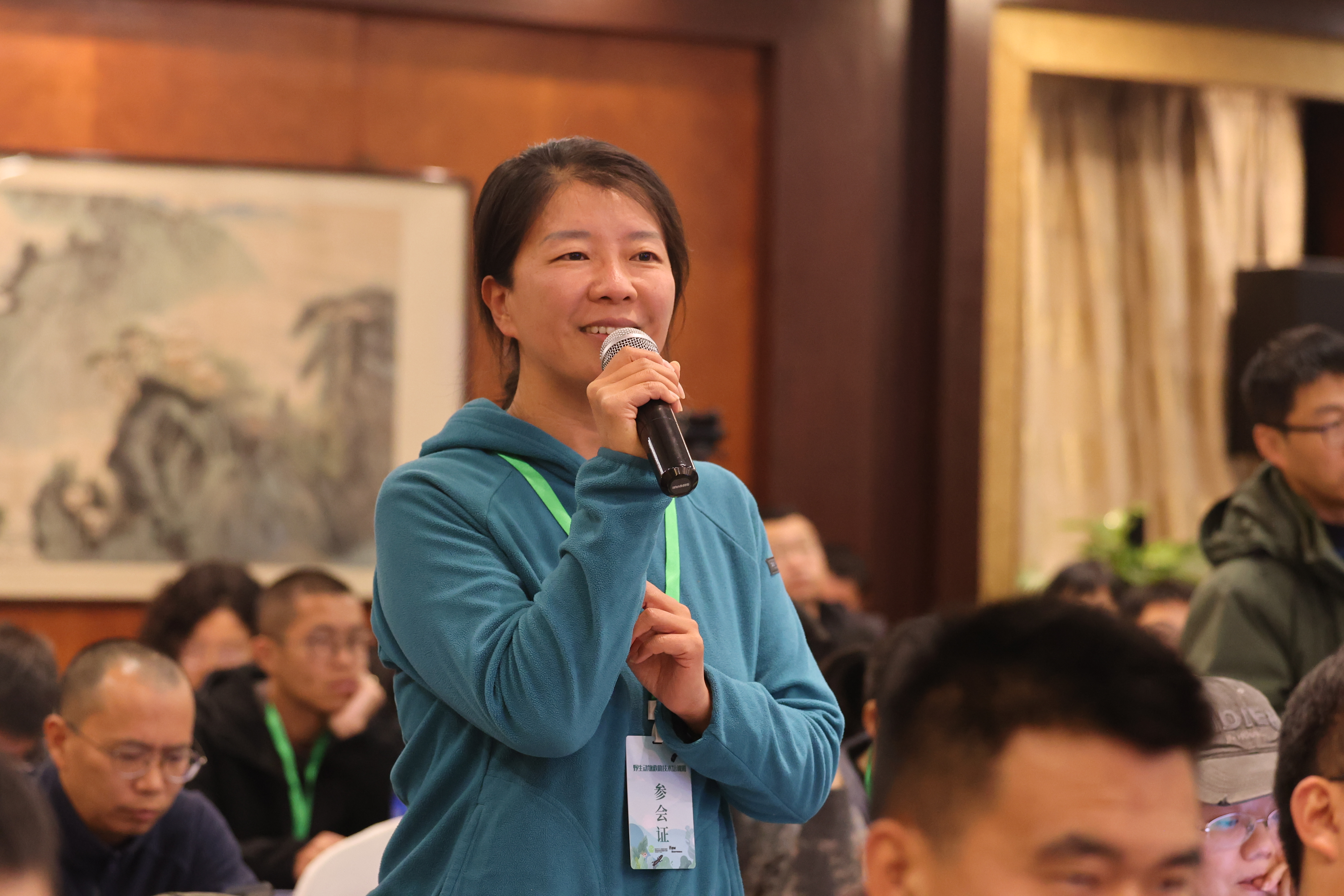
Following the training, participants expressed a strong interest in further advanced courses and regular training sessions, and the future establishment of a professional resource network.
Elefam focuses not just on a single training event, but on the long-term growth of local conservation talent. Over the past decade, Elefam has continuously strived to:
Systematically cultivate and mentor conservation talent.
Facilitate international conservation resources exchange.
Construct an interdisciplinary conservation knowledge system.
Currently, we are proud to have 72+ members and alumni spread across various fields of global sustainable development and conservation. Since its establishment in 2015, the organization has launched a series of interdisciplinary conservation career development courses—including “Urban Ecology,” “One Health,” “Ecology in Modern Context,” “Community Street Animal Managment,” and “Wildlife Conservation on the Qinghai-Tibet Plateau”—training a cumulative total of 1,200+ individuals for frontline conservation work both domestically and abroad.
“The future of nature and animal conservation lies not elsewhere, but in people. The future of talent requires systematic support and sustained power.”
In the future, we will continue to facilitate international exchange, promote the standardization of rescue technologies, support institutions in building case study systems, and continue to cultivate the next generation of professional talent.